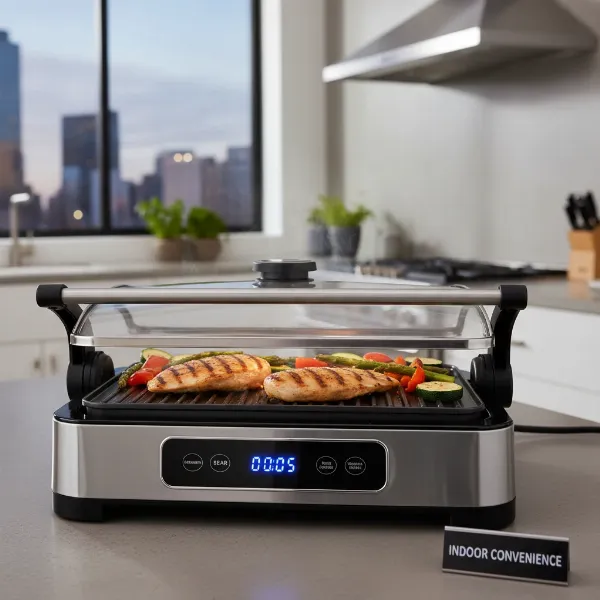
The enticing aroma of sizzling food grilled outdoors is a timeless pleasure, but what if your grilling arsenal is limited to an indoor electric grill? Many homeowners and apartment dwellers eye their trusty indoor electric grills with the tempting thought of moving the cooking action outside. The question then arises: is it truly safe to use an indoor electric grill outside? This comprehensive guide will delve into the safety considerations, necessary precautions, and best practices to ensure your outdoor grilling experience with an indoor electric grill is both enjoyable and secure.
Understanding Electric Grills: Indoor vs. Outdoor
Electric grills, whether designed for indoor or outdoor use, operate on electricity to heat a cooking surface. Unlike their charcoal or gas counterparts, electric grills do not rely on an open flame or combustible fuels, eliminating concerns about flare-ups, propane tanks, or charcoal ash. This key difference also means they do not produce carbon monoxide, a dangerous gas associated with gas and charcoal grills, making them inherently safer for enclosed spaces.
Indoor electric grills typically include compact contact grills, like the popular George Foreman grill, and open-plate models. They are designed for convenience, often featuring non-stick surfaces and drip trays for easy cleanup. Outdoor electric grills, on the other hand, might be larger pedestal models or robust tabletop units, often built with more weather-resistant materials and higher wattage for sustained heat in open environments. While their primary function is the same—to cook food with electric heat—their design and intended operating environments introduce specific safety considerations.
The Key Safety Considerations for Outdoor Use
While an electric grill doesn’t pose the carbon monoxide risk of fuel-based grills, using an indoor model outdoors introduces a new set of challenges, predominantly related to electrical safety and environmental exposure.
Electrical Hazards
The primary danger when using any electric appliance outdoors is the risk of electrical shock or fire. Indoor electric grills are designed for stable indoor electrical systems. When moved outside, they can encounter less reliable power sources or conditions. Overloading an electrical circuit is a significant concern, as electric grills often draw considerable power. Plugging into an inadequate circuit can trip breakers, damage wiring, or even cause an electrical fire.
It’s crucial to ensure your outdoor outlet is suitable. Ideally, you should use a Ground Fault Circuit Interrupter (GFCI) outlet, which is designed to shut off power rapidly if it detects a ground fault, drastically reducing the risk of electric shock. Avoid using multiple high-wattage appliances on the same circuit simultaneously.
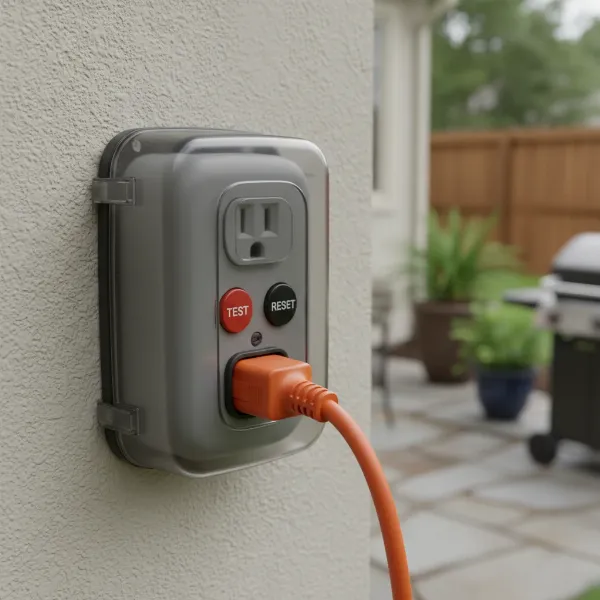 GFCI outlet in an outdoor setting, ensuring electrical safety for outdoor appliance use.
Weather and Moisture Exposure
Indoor electric grills are generally not built to withstand the elements. Exposure to moisture—whether from rain, humidity, dew, or even accidental splashes—can lead to serious electrical hazards. Water and electricity are a dangerous combination, potentially causing short circuits, electric shocks, or damage to the grill itself.
Therefore, it is paramount to never use an electric grill in wet or rainy weather. Even damp conditions can be risky. If there’s any chance of precipitation or excessive humidity, it’s best to keep your indoor grill inside. If you must use it outdoors, choose a dry, clear day and consider a sheltered spot like a covered patio or gazebo to protect it from unexpected drizzles or splashes.
Manufacturer Guidelines and UL Listing
Always consult your electric grill’s user manual before attempting to use it in any manner not explicitly stated. Manufacturers include specific safety instructions and operating conditions for a reason. Ignoring these guidelines can void warranties and, more importantly, put your safety at risk.
Look for appliances that are “UL-Listed.” UL (Underwriters Laboratories) is a global safety certification company. A UL-Listed mark indicates that the product has been tested to nationally recognized safety standards. While many indoor grills are UL-Listed for indoor use, dedicated outdoor electric grills often have additional certifications or design features to ensure safe operation in varying external conditions.
Advantages and Disadvantages of Grilling Outdoors with an Indoor Electric Grill
Deciding to take your indoor electric grill outdoors comes with its own set of pros and cons. Weighing these carefully can help you make an informed decision.
Advantages:
- Smoke and Odor Reduction: Moving the grill outdoors naturally ventilates any smoke or cooking odors, preventing them from lingering inside your home, which is a significant benefit, especially when cooking greasy foods or strong-smelling spices.
- Enjoying Fresh Air: Grilling outside allows you to enjoy the fresh air and ambiance of your backyard, patio, or balcony, making for a more pleasant cooking and dining experience.
- Convenience: Electric grills are incredibly convenient; they heat up quickly and require no charcoal, lighter fluid, or propane tanks. This ease of use translates directly to outdoor grilling, making impromptu cookouts a breeze.
Disadvantages:
- Increased Electrical Risk: As discussed, the risk of electrical hazards due to improper setup, inadequate outlets, or exposure to moisture is significantly higher outdoors.
- Limited Power and Heat: Indoor electric grills might not always offer the same robust heating power as dedicated outdoor models or traditional fuel grills, which could affect searing capabilities or cooking larger cuts of meat.
- Portability and Cord Management: Managing extension cords safely outdoors can be cumbersome. Long cords can be trip hazards and, if not outdoor-rated and heavy-gauge, can overheat or degrade performance.
- Exposure to Elements: Even on a clear day, dust, pollen, leaves, or insects can come into contact with your food or grill surface. The grill is also more exposed to temperature fluctuations, which might affect cooking times.
Best Practices for Safe Outdoor Operation
If you choose to use your indoor electric grill outdoors, meticulous attention to safety is paramount. Follow these best practices to mitigate risks and ensure a safe grilling experience.
Choosing the Right Location
Select a dry, flat, and stable surface for your grill. Ensure it is far away from any water sources, swimming pools, or sprinklers. Keep the grill away from flammable materials such as curtains, dry vegetation, outdoor furniture, or overhanging eaves. A covered patio or balcony offers protection from direct sunlight and light precipitation, but never use it in an enclosed shed or garage due to potential smoke buildup (even electric grills produce some smoke and grease vapor).
Electrical Setup
Your electrical connection is the most critical safety factor. Always plug your electric grill directly into a GFCI-protected outdoor outlet whenever possible. If an extension cord is necessary, it must be:
- Outdoor-rated: Clearly labeled for outdoor use.
- Heavy-gauge: Typically 12-gauge or 14-gauge for high-wattage appliances like grills, to prevent overheating and power loss.
- As short as possible: To minimize voltage drop and potential hazards.
- Fully uncoiled: Never use an extension cord that is coiled, as this can cause it to overheat.
Inspect cords for any damage before each use. Never run cords under rugs or where they can be tripped over or pinched.
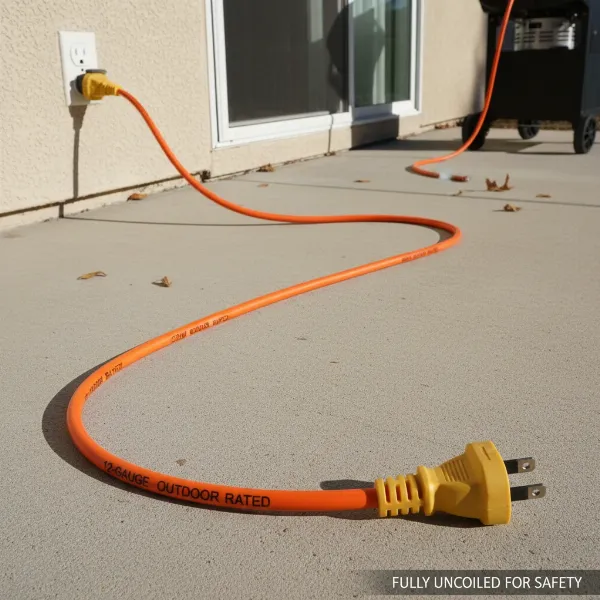 Heavy-duty, outdoor-rated extension cord for an electric grill, fully uncoiled.
Monitoring and Maintenance
Never leave an operating electric grill unattended, especially outdoors where conditions can change rapidly. Always keep a close eye on your food and the grill’s operation. After each use, ensure the grill is completely cooled down before cleaning. Unplug the grill before cleaning, and follow the manufacturer’s instructions for proper care. Store the grill indoors in a dry place when not in use to protect it from the elements and prolong its lifespan.
Common Types of Electric Grills and Their Outdoor Suitability
Understanding the design nuances of different electric grills can further guide your decision on outdoor use.
Contact Grills (e.g., George Foreman)
These grills feature two heated plates that cook food from both sides. They are generally compact and popular for quick meals. Because they are designed for indoor countertop use, they are particularly sensitive to moisture and should only be used outdoors on a completely dry day, in a protected area. Their enclosed design can minimize smoke, making them a reasonable choice for a covered outdoor space. Many users find a George Foreman grill can be safely used on a patio or balcony under dry conditions, provided electrical precautions are met.
Open-Plate Indoor Grills
These resemble miniature stovetop griddles or hibachis with an open heating element. While they allow for more traditional grilling techniques, their open design means they are even more vulnerable to environmental factors like wind, dust, and moisture. They also tend to produce more visible smoke and steam, which is a primary reason to move them outdoors. Again, strict adherence to electrical safety and avoiding any wet conditions is essential.
Dedicated Outdoor Electric Grills
These are purpose-built for outdoor environments. They often feature more robust construction, larger cooking surfaces, and sometimes even built-in carts or stands. Crucially, they are designed with weather-resistant materials and electrical components specifically rated for outdoor exposure. While this article focuses on indoor grills, recognizing the existence of dedicated outdoor electric grills highlights the specific design considerations for external conditions.
Top Tips for an Enjoyable Outdoor Electric Grilling Experience
Beyond safety, a few tips can enhance your outdoor electric grilling. Pre-heating your grill properly is key to achieving good searing and even cooking. Most electric grills heat up quickly, often reaching 500 degrees Fahrenheit in under 7 minutes, making them efficient for impromptu meals. Experiment with marinades and seasonings to infuse flavor into your food, as electric grills don’t impart the smoky taste of charcoal. Some models have drip pans where you can add liquids like broth or wine to create steam and add moisture. After cooking, ensure a thorough cleaning. Many electric grill plates are removable and dishwasher-safe, simplifying cleanup. Remember to store your grill indoors in a dry place when not in use to protect it from the elements and extend its lifespan.
“When taking any indoor appliance outside, the cardinal rule is always electrical safety. Moisture and unrated extension cords are your biggest enemies. Prioritize a GFCI outlet and a dry environment above all else.” – David Chen, Lead Technician at electricgrillusa.com
Conclusion
Using an indoor electric grill outdoors can be a convenient way to enjoy fresh-air cooking and keep cooking odors out of your home. However, it’s not a decision to be taken lightly. While electric grills eliminate the fire and carbon monoxide risks associated with fuel-based models, they introduce significant electrical safety concerns when used outside their intended environment. Prioritizing correct electrical connections, using a GFCI outlet, and rigorously avoiding any exposure to moisture are non-negotiable for a safe grilling experience. By understanding these risks and implementing careful precautions, you can confidently extend the versatility of your indoor electric grill to your outdoor spaces, ensuring delicious meals and peace of mind.
What are your favorite electric grilling recipes to enjoy outdoors?
Frequently Asked Questions
Can a George Foreman grill be used outdoors?
Yes, a George Foreman grill can generally be used outdoors, but only under completely dry conditions and ideally in a sheltered area like a covered patio. The primary concern is electrical safety, so ensure it’s plugged into a GFCI-protected outlet and protected from any moisture, as these grills are not designed to be weather-resistant.
What kind of extension cord should I use for an electric grill outside?
If an extension cord is absolutely necessary, you must use an outdoor-rated, heavy-gauge (typically 12 or 14-gauge) extension cord. It should be as short as possible, fully uncoiled to prevent overheating, and inspected for any damage before each use. Never use indoor extension cords outdoors.
Is it safe to use an electric grill on a balcony?
Using an electric grill on a balcony is generally safe, provided the balcony is sturdy, well-ventilated, and you follow all electrical safety precautions. Ensure the grill is on a stable surface, away from flammable materials, and protected from wind and rain. Check your building’s regulations regarding grill use on balconies.
What happens if an electric grill gets wet?
If an electric grill gets wet, it can cause an electrical short circuit, leading to an electric shock hazard or even an electrical fire. Water can damage internal components, making the grill unsafe to use. If your electric grill gets wet, do not use it; unplug it immediately (if safe to do so) and have it professionally inspected or replaced.
Do electric grills produce carbon monoxide?
No, electric grills do not produce carbon monoxide. Carbon monoxide is a byproduct of combustion, which occurs when fuels like charcoal, propane, or natural gas are burned. Since electric grills use heating elements powered by electricity and do not involve combustion, they do not emit carbon monoxide, making them safe for use in well-ventilated indoor or outdoor spaces.