Craving restaurant-quality salmon with that irresistibly crispy skin, all from the comfort of your kitchen or patio? An electric grill is your secret weapon for culinary success. Forget the smoky mess and finicky charcoal; with the right technique, your electric grill can deliver salmon fillets that are tender, flaky, and crowned with a golden, shatteringly crisp skin that will impress even the most discerning palate. This comprehensive guide will walk you through every step, ensuring you master the art of crispy salmon skin on your electric grill every single time.
The Electric Grill Advantage for Crispy Salmon Skin
Electric grills, whether indoor or outdoor models, offer a fantastic platform for cooking fish, especially when aiming for that coveted crispy skin. Unlike traditional charcoal or gas grills, electric models provide consistent, controllable heat without flare-ups, which can be particularly beneficial for delicate proteins like salmon. This stable heat environment is crucial for rendering the fat in the salmon skin slowly and evenly, transforming it into a delightful, crunchy texture rather than a burnt or rubbery one.
You’ll find various types of electric grills, each with its own benefits. Indoor electric grills, often compact, are perfect for year-round grilling, while outdoor electric grills offer more surface area and can handle larger meals. Some models even feature dual-contact plates, which can significantly reduce cooking time and cook both sides simultaneously, making quick work of a thick salmon fillet. The key across all types is their ability to maintain precise temperatures, giving you the control needed for optimal crispy skin development.
Preparing Your Salmon for Perfection
The journey to crispy salmon skin begins long before the fillet touches the grill. Proper preparation is paramount.
Choosing the Right Fillet
|
Our Picks for the Best electric grill in 2026
As an Amazon Associate I earn from qualifying purchases.
|
||
| Num | Product | Action |
|---|---|---|
| 1 | Chefman XL Electric Griddle with Removable Temperature Control, Immersible Flat Top Grill, Burger, Eggs, Pancake Griddle, Nonstick Extra Large Cooking Surface, Slide Out Drip Tray, 10 x 20 Inch |

|
| 2 | Ninja Griddle and Indoor Grill, 14’’, Electric Grill, For Steak, Burgers, Salmon, Veggies, and More, Pancake Griddle, Nonstick, Dishwasher Safe, 500F, Even Cooking, Silver, GR101 |
|
| 3 | Hamilton Beach Electric Indoor Searing Grill with Viewing Window & Adjustable Temperature Control to 450F, 118 sq. in. Surface Serves 6, PFAS-Free Removable Nonstick Grate, Stainless Steel |
|
| 4 | Electric Grill, CUSIMAX Electric Indoor/Outdoor Grill, 1600W Portable BBQ with Lid for Indoor & Outdoor Use, Adjustable Heat, Removable Stand Grill for Cookouts, BBQ Gatherings, Small Spaces |
|
| 5 | Artestia 1800W Electric Outdoor Grills with Lid Indoor Smokeless Grill for Balcony with Temperature Control Portable Removable Stand Grill for Cooking, BBQ Party, Family |
|
| 6 | Chefman Electric Smokeless Indoor Grill w/ Non-Stick Cooking Surface & Adjustable Temperature Knob from Warm to Sear for Customized BBQing, Dishwasher Safe Removable Water Tray, Black |
|
| 7 | Chefman Smokeless Indoor Electric Grill, Extra Large Grilling Surface, Nonstick Table Top Grill for Indoor Grilling and BBQ with Adjustable Temperature Control, Drip Tray, Dishwasher-Safe Parts |
|
| 8 | Ninja DG551 Foodi Smart XL 6-in-1 Indoor Grill with Air Fry, Roast, Bake, Broil, & Dehydrate, Foodi Smart Thermometer, 2nd Generation, Black/Silver |
|
| 9 | Electric Grill, Techwood Indoor/Outdoor Electric BBQ Grill, 1600W Portable Removable Stand Grill with Adjustable Heat & Drip Tray, Double Layer Design for Party, Patio & Backyard (Black) |
|
| 10 | Electric Grill, Techwood Indoor/Outdoor Electric BBQ Grill, 1600W Portable Removable Stand Grill with Adjustable Heat & Drip Tray, Double Layer Design for Party, Patio & Backyard (Blue) |
|
Start with quality. Opt for skin-on salmon fillets approximately 1-inch thick. The skin acts as a natural barrier, protecting the delicate flesh from direct heat and preventing it from drying out. Thicker, center-cut fillets are ideal as they cook more evenly. When choosing between wild-caught and farm-raised, wild-caught salmon tends to be leaner with a more pronounced “fishy” flavor, while farm-raised, often labeled “Atlantic salmon,” is fattier and has a milder taste, both of which can yield excellent crispy skin results.
The Secret to Dry Skin
This step is non-negotiable for crispy skin. Moisture is the enemy of crispiness. Before seasoning, thoroughly pat down both sides of your salmon fillets with paper towels. Focus especially on the skin side to remove as much surface moisture as possible. This allows the skin to quickly dehydrate and crisp up when it hits the hot electric grill, rather than steaming.
Seasoning and Oiling
Keep your seasonings simple to let the natural flavor of the salmon shine, especially when aiming for crispy skin. A generous sprinkle of kosher salt and freshly ground black pepper is often all you need. Garlic powder or a hint of smoked paprika can add depth without overpowering.
When it comes to oil, choose one with a high smoke point. Avocado oil or grapeseed oil are excellent choices. Brush a thin layer of your chosen oil over both the flesh and skin sides of the salmon. This oil layer on the skin not only helps it crisp but also acts as a barrier to prevent sticking.
Mastering the Electric Grill for Crispy Skin
With your salmon perfectly prepped, it’s time to put your electric grill to work.
Preheat is Key
A properly preheated electric grill is fundamental to preventing sticking and achieving that desirable crispy skin. Turn your electric grill to medium-high to high heat, aiming for a temperature between 400°F and 450°F, or even up to 500°F if your grill allows. Allow it to preheat for at least 5-10 minutes until it’s smoking hot. Before placing the fish, lightly grease the grill grates with a high-heat oil (like avocado oil) using a folded paper towel held by tongs. This double layer of oil (on the fish and the grates) provides maximum stick prevention.
Skin-Side Down First
This is the golden rule for crispy salmon skin. Once your electric grill is hot and oiled, carefully place the salmon fillets skin-side down on the grates. This allows the skin to come into direct, consistent contact with the heat, rendering its fat and becoming beautifully crisp. Avoid moving or flipping the salmon prematurely. Let it cook undisturbed.
“The magic of crispy salmon skin happens when you let the skin cook without interruption. Resist the urge to peek or move it too soon; patience is your best tool.”
The “Release” Test
How do you know when it’s time to flip (or if you even need to)? After 5 to 8 minutes of cooking skin-side down, gently try to lift an edge of the salmon with a spatula. If it sticks, give it another minute or two. A perfectly crisp skin will naturally release from the grates without resistance. If it tears or leaves bits behind, it wasn’t ready. For thicker fillets (around 1 inch), this initial skin-side down cook time might be closer to 8 minutes.
Flipping and Finishing
Once the skin has crisped and released, you have a couple of options:
- Flip and Finish: Carefully flip the salmon to the flesh side. Close the lid and cook for another 2-4 minutes, or until the internal temperature reaches your desired doneness.
- Mostly Skin-Side Cook: For thinner fillets or if you prefer a very moist interior, you can cook the salmon almost entirely skin-side down, only flipping for the last minute or two to finish cooking the top. This is especially effective on dual-contact electric grills which cook both sides simultaneously.
The FDA recommends cooking fish to an internal temperature of 145°F. However, for a more moist, medium-rare to medium salmon, many chefs aim for 130°F-135°F, allowing for carry-over cooking after removal from the grill. Use an instant-read thermometer inserted into the thickest part of the fillet to ensure accuracy.
Resting Your Salmon
Just like meat, salmon benefits from a brief rest after cooking. Transfer the grilled salmon to a plate, skin-side up (to maintain crispiness), and let it rest for 1-2 minutes. This allows the juices to redistribute throughout the fillet, ensuring a moister, more flavorful result.
Troubleshooting Common Crispy Skin Challenges
Even with the best intentions, you might encounter a few hurdles.
- Sticking to the grill: This is usually due to insufficient preheating, not enough oil on the grill or fish, or trying to flip the fish too early. Ensure your grill is smoking hot and well-oiled before placing the salmon, and wait for that natural release.
- Skin not crisping: Again, moisture is often the culprit. Pat the salmon extra dry next time. Also, ensure your grill is hot enough and that the skin has enough uninterrupted contact time with the heat.
- Overcooking/drying out: Salmon cooks quickly. Using an instant-read thermometer is the best way to prevent overcooking. Remove it slightly before your target temperature (e.g., at 130°F if aiming for 135°F-140°F) to account for carry-over cooking.
Pro Tips for Elevated Crispy Salmon
Beyond the basics, a few extra tips can elevate your electric grilled salmon:
- Lemon is your friend: Always serve grilled salmon with fresh lemon wedges. A squeeze of lemon brightens the flavor and complements the richness of the fish.
- Experiment with flavors: Once you’ve mastered the basic technique, explore different spice rubs or marinades. Just be mindful of sugar content in marinades, which can burn on high heat.
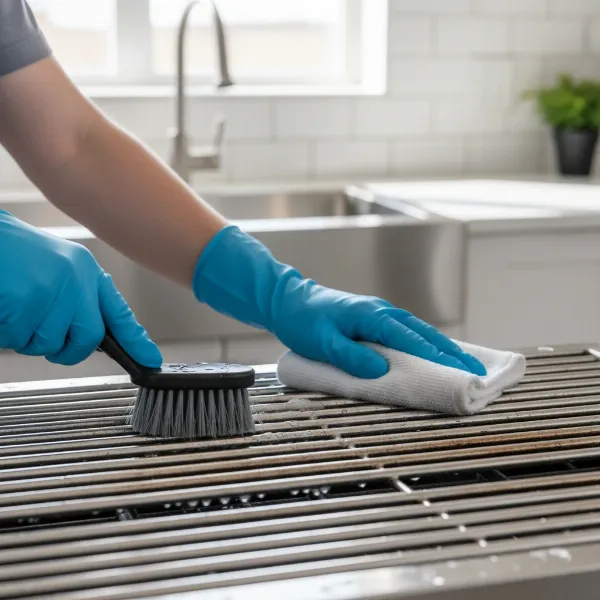
- Clean your grill: A clean electric grill not only cooks better but also prevents old food particles from sticking to your fresh salmon. Clean the grates thoroughly after each use.
Conclusion
Cooking salmon with crispy skin on an electric grill is a straightforward process that yields incredibly delicious results. By carefully selecting your fillet, ensuring it’s thoroughly dried and oiled, preheating your electric grill to a high temperature, and allowing the skin to crisp undisturbed, you’ll consistently achieve that coveted crunchy texture. With a little practice, your electric grill will become your go-to tool for preparing a healthy, flavorful, and perfectly cooked salmon dinner that’s sure to become a family favorite. What delicious side will you pair with your perfectly grilled salmon tonight?
Frequently Asked Questions
What is the ideal temperature for cooking salmon on an electric grill for crispy skin?
The ideal temperature for crispy salmon skin on an electric grill is typically medium-high to high, ranging from 400°F to 450°F (or even up to 500°F if your grill allows). A very hot grill helps the skin crisp quickly without drying out the flesh, and also prevents sticking.
How do I prevent salmon skin from sticking to my electric grill?
To prevent sticking, ensure your electric grill is thoroughly preheated to a high temperature and lightly greased with a high-smoke-point oil like avocado or grapeseed oil. Additionally, make sure to pat the salmon skin completely dry and brush it with oil before placing it on the grill, and do not try to move or flip it until the skin naturally releases.
Should I cook salmon with the lid open or closed on an electric grill?
For crispy skin, start cooking salmon skin-side down with the lid closed to maintain consistent heat and cook evenly. Some chefs advocate for initially cooking with the lid open for a minute or two to prevent sticking, but generally, keeping the lid closed helps in achieving an all-around cooked fillet while crisping the skin.
How long does it take to cook salmon on an electric grill to get crispy skin?
Cooking time varies with thickness, but typically, a 1-inch thick salmon fillet will take 5-8 minutes skin-side down until the skin is crispy and releases easily. After flipping, cook on the flesh side for another 2-5 minutes, or until the internal temperature reaches 130°-135°F for medium-rare to medium, or 145°F for well-done.
Can I use frozen salmon for crispy skin on an electric grill?
Yes, you can use frozen salmon, but it is crucial to thaw it completely in the refrigerator before grilling. Ensure it is fully defrosted and then thoroughly pat it dry to remove all excess moisture, as residual ice or water will prevent the skin from crisping properly.