Contact Grill vs Open Electric Grill
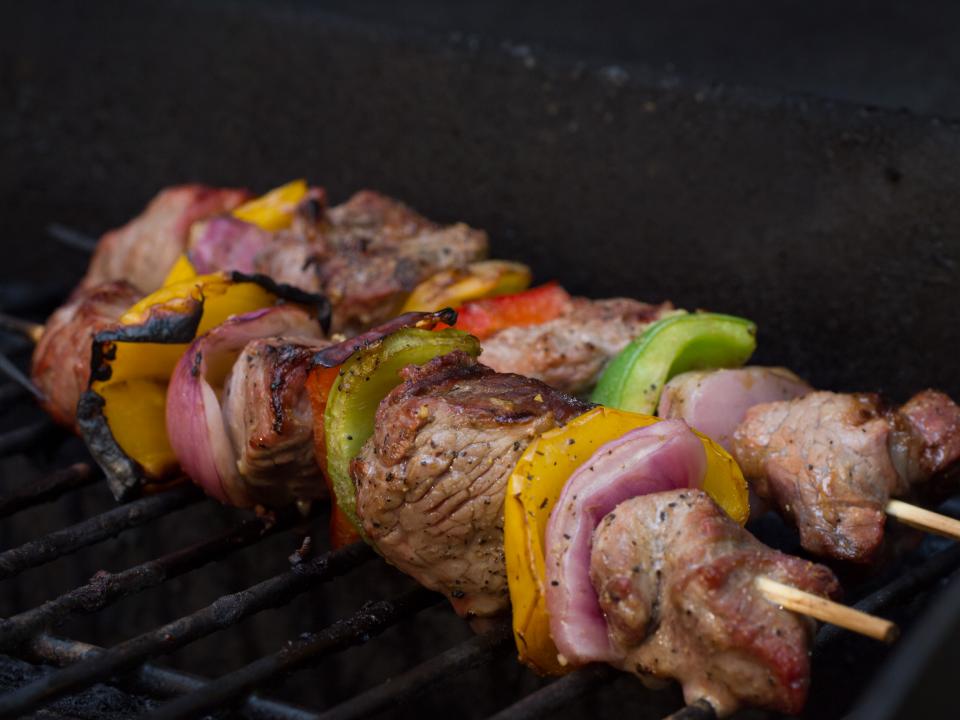
Quick Verdict: The contact grill vs open electric grill question is about how the heat reaches your food. A contact grill (like the George Foreman Smokeless or Cuisinart Griddler Deluxe) closes two heated plates over the food, cooking both sides at once — fast, no flipping, less smoke, and famously easy. An open electric grill (like the Hamilton Beach Searing Grill) uses a single horizontal grate with the food exposed on top, cooked one side at a time like an outdoor grill — more authentic grilling feel, more visible char, but slower and smokier. Choose contact for speed, low smoke and convenience; choose open for the traditional flip-and-sear experience and grill marks. Here’s the full comparison.
Contact Grill vs Open Electric Grill: At a Glance
| Factor | Contact Grill | Open Electric Grill |
|---|---|---|
| Examples | George Foreman Smokeless, Cuisinart Griddler Deluxe | Hamilton Beach Searing Grill (25361) |
| How it cooks | Two plates close over food — both sides at once | Single grate, food exposed — one side, you flip |
| Speed | Faster — no flipping | Slower — flip required |
| Smoke | Lower — sealed design | Higher — exposed surface |
| Experience | Press-and-done convenience | Traditional flip-and-sear, visible cooking |
| Foods | Burgers, paninis, chicken, fish; griddle on some | Burgers, chicken, sausages, vegetables |
| Fat handling | Sloped plates drain fat (Foreman) | Drip channel below grate |
How We Compared These Grills
This comparison synthesizes manufacturer specifications and consistent themes from independent reviews and buyer reception, focusing on the factors that distinguish the two designs: cooking method, speed, smoke, experience, food range and cleanup. We reference real current models — the contact-style George Foreman Smokeless and Cuisinart Griddler Deluxe, and the open Hamilton Beach Searing Grill — rather than abstractions. We don’t accept payment for placement.
How Each One Cooks
The fundamental difference is geometry. A contact grill is a clamshell: a hinged top plate lowers onto the food so both surfaces touch heated metal simultaneously. The food is sandwiched and cooks from both sides at once. An open electric grill is a single horizontal grate with a lid above it — the food sits exposed on top, heated from below, and you flip it partway through just as you would on an outdoor grill. That single structural choice cascades into every other difference between the two.
Speed
Contact grills are faster, full stop. Because both sides of the food cook at once, a burger or chicken breast is done in roughly half the time of single-sided cooking, and you never have to flip it. For weeknight meals where speed matters, the contact design is a real time-saver — the George Foreman built its reputation on exactly this. Open grills cook one side at a time, so they take longer and require you to flip, which some cooks see as a chore and others as part of the fun.
Smoke
Contact grills produce less smoke. Closing the plates over the food encloses much of the cooking surface, and designs like the George Foreman Smokeless add a fat-draining slope to channel grease away before it burns — the brand rates up to 85% smoke reduction. Open grills expose the full top surface of the food to the air, so rendered fat hitting the hot grate smokes more freely. A water-filled drip channel (as on the Hamilton Beach) cools the fat and reduces this, but an open grill will still smoke more than a sealed contact grill. For the lowest indoor smoke, contact wins.
The Grilling Experience
Here the open grill has the edge for purists. Cooking on an exposed grate, watching the food sear (the Hamilton Beach even has a viewing window), flipping it, repositioning it, basting it — that’s the familiar, hands-on grilling experience, and it produces the visible single-sided grill marks many people associate with “real” grilling. A contact grill is more clinical: press the lid, wait, lift it, done. It’s efficient but less engaging, and the grill marks come from both plates pressing rather than from an open sear. If the ritual and feel of grilling matter to you, open delivers; if you just want food cooked quickly, contact delivers.
Food Range
- Contact grills excel at anything that benefits from pressing: burgers, paninis and sandwiches, chicken, fish. Models like the Cuisinart Griddler Deluxe add reversible griddle plates and even open flat for a larger grill or griddle surface, widening the range considerably.
- Open grills handle the classic grilling repertoire — burgers, chicken, sausages, vegetables, skewers — anything you’d cook on an outdoor grate, with easy access to flip and move food around.
A versatile contact unit like the Griddler Deluxe arguably covers more total ground (grill, griddle, panini, dual zones), while a simple open grill nails the traditional grilling tasks with a more authentic feel.
Cleanup
Both can be easy, but it depends on the model rather than the format. The George Foreman’s contact plates are fixed and wipe clean; the Cuisinart’s contact plates are removable. The Hamilton Beach open grill’s grate is removable and dishwasher-safe. So a contact grill isn’t inherently easier or harder to clean than an open one — the deciding factor is whether the specific model has removable, dishwasher-safe surfaces. The open Hamilton Beach actually leads on cleanup convenience precisely because its grate detaches for the dishwasher.
Fat & Healthier Cooking
Both designs manage fat, but in different ways with different results. Contact grills with a sloped surface — the George Foreman being the archetype — actively drain rendered fat down and away into a drip tray, which is the origin of the brand’s “knock out the fat” reputation and can genuinely reduce the fat content of the finished food. Open grills let fat drip through the grate into a channel below (water-filled on the Hamilton Beach to reduce smoking), so fat still leaves the food, but the pressing-and-draining action of a sloped contact grill is more aggressive about it. If reducing fat is a priority, a sloped contact grill has a slight edge. That said, both are healthier than pan-frying in added oil, since fat drains away rather than pooling around the food — the difference between the two formats here is modest.
Texture & Results on the Plate
The two methods produce subtly different food. A contact grill presses the food flat against both plates, which gives even browning on both sides and is excellent for things meant to be pressed — paninis, smash-style burgers, flattened chicken. An open grill lets the food keep its natural shape and develops a sear on the down side before you flip, which suits foods you don’t want compressed — a thick chicken breast, sausages, vegetables, skewers. Neither result is better in the abstract; they’re suited to different foods. Many cooks find pressed foods come out more uniform, while open-grilled foods retain more of the irregular, charred character of traditional grilling. Knowing which texture you prefer for the foods you cook most is a useful tiebreaker.
Versatility Within Each Format
It’s worth noting that not all contact or open grills are equal within their formats. A basic contact grill like the George Foreman does contact grilling and nothing else, while a premium contact grill like the Cuisinart Griddler Deluxe opens flat into a full grill or griddle, adds reversible plates, panini pressing and dual independent temperature zones — making it far more versatile than the format alone implies. Open grills tend to be more single-purpose, focused on the grilling experience, though models like the Hamilton Beach add useful touches such as a viewing window and a dishwasher-safe grate. So when comparing, look at the specific model’s features, not just whether it’s contact or open — the format sets the cooking style, but the model determines the breadth.
Which Should You Choose?
Choose a contact grill if you:
- Want the fastest cooking with no flipping
- Prioritize the lowest indoor smoke
- Make a lot of paninis, pressed sandwiches and quick weeknight proteins
- Like the option of griddle and dual-zone versatility (Cuisinart Griddler Deluxe)
Choose an open electric grill if you:
- Want the traditional flip-and-sear grilling experience and grill marks
- Like to watch, flip and reposition food as it cooks
- Don’t mind a little more smoke and a bit more time
- Value a removable, dishwasher-safe grate for easy cleanup
Frequently Asked Questions
What’s the main difference between a contact grill and an open grill?
A contact grill closes two heated plates over the food, cooking both sides at once with no flipping. An open electric grill uses a single horizontal grate with the food exposed on top, cooked one side at a time so you flip it like on an outdoor grill. That structural difference drives the contrasts in speed, smoke and cooking experience.
Which is faster, contact or open?
Contact, clearly. Cooking both sides simultaneously roughly halves cooking time versus single-sided open grilling, and you never flip. For quick weeknight meals, the contact design is the time-saver — the basis of the George Foreman’s reputation.
Which produces less smoke?
Contact grills. Enclosing the food between plates and, on models like the George Foreman Smokeless, draining fat away via a sloped surface keeps smoke down — rated up to 85% less. Open grills expose more food surface to heat and smoke more freely, though a water-filled drip channel helps. For the lowest indoor smoke, choose contact.
Which gives better grill marks?
Both give grill marks, but they differ. A contact grill marks both sides simultaneously from the pressing plates. An open grill gives the single-sided, sear-then-flip marks of traditional outdoor grilling, which many people find more authentic-looking. Neither is objectively better; it’s a matter of the look and experience you prefer.
Is one easier to clean than the other?
It depends on the specific model, not the format. The George Foreman’s contact plates are fixed and wipe clean; the Cuisinart’s are removable; the Hamilton Beach open grill’s grate is removable and dishwasher-safe. A removable, dishwasher-safe surface — whichever format it’s on — is the real cleanup advantage to look for.
Can a contact grill do everything an open grill can?
Mostly, plus more — a versatile contact grill like the Cuisinart Griddler Deluxe opens flat for a larger grill or griddle surface and adds panini and dual-zone modes. What it can’t replicate is the open-grilling experience of cooking on an exposed grate and flipping food, which is the open grill’s distinct appeal. So it’s less about capability and more about how you like to cook.
Final Verdict
The contact grill vs open electric grill choice is about priorities, not which is “better.” Contact grills — the George Foreman Smokeless and Cuisinart Griddler Deluxe among them — win on speed, low smoke and press-and-done convenience, with the Griddler adding serious griddle and dual-zone versatility. Open electric grills like the Hamilton Beach Searing Grill win on the authentic flip-and-sear experience, visible cooking through a window, and (in that model’s case) a dishwasher-safe grate. Decide whether you value efficiency and low smoke or the traditional grilling feel, and the right design becomes clear. Check current options on Amazon to compare specific models in each style.
Last updated: June 2026
See our main guide: Best Electric Grills. Related: Indoor vs Outdoor Electric Grill.