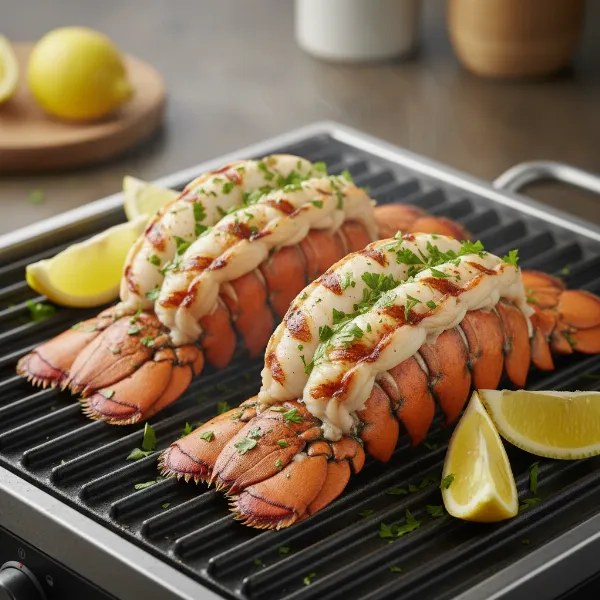
Are you torn between the convenience of an electric grill and the promise of smoky perfection from an electric smoker? Many home cooks and BBQ enthusiasts find themselves at this crossroads, contemplating which appliance best suits their culinary ambitions. While both utilize electricity, their fundamental approaches to cooking and the resulting flavors are distinctly different. Understanding these nuances is crucial to making the right choice for your backyard or kitchen setup. This comprehensive guide will explore the core differences, advantages, disadvantages, and key considerations to help you decide whether an electric smoker or an electric grill is your ideal cooking companion.
Overview of Electric Grills and Electric Smokers
Electric grills and electric smokers represent two popular categories of electric-powered cooking appliances, each designed with a unique purpose in mind. Though they both plug into a standard outlet, their operational principles diverge significantly, leading to vastly different culinary outcomes.
An electric grill is primarily designed for direct, high-heat cooking. It features an electric heating element that directly heats a cooking grate, allowing for quick searing, grilling, and charring. These appliances are lauded for their convenience, rapid preheating, and consistent temperatures, making them a go-to for burgers, steaks, vegetables, and hot dogs. They often come in various forms, from compact indoor models to larger outdoor stand-alone units, many of which are smokeless, providing a convenient grilling solution without the mess or fuel of charcoal and gas.
Conversely, an electric smoker operates on the principle of indirect, low-heat cooking, infused with smoke. Instead of direct flame or intense radiant heat, electric smokers use an electric heating element to generate heat, which then smolders wood chips to produce smoke. This smoke, combined with consistent low temperatures (typically 200-275°F), slowly cooks food over several hours, imparting a deep, smoky flavor and incredibly tender texture. Electric smokers are particularly favored for large cuts of meat like briskets, ribs, and pork shoulders, requiring minimal supervision during their long cooking cycles, offering a “set-it-and-forget-it” convenience that mimics traditional smoking without the complexities of fire management.
Core Differences: Electric Grill vs. Electric Smoker
The debate between an electric smoker and an electric grill boils down to fundamental differences in their cooking methodology, the flavors they impart, and the overall user experience. Understanding these distinctions is paramount for any aspiring pitmaster or casual griller.
Cooking Method & Temperature Range
The most significant divergence lies in their cooking methods. An electric grill excels at direct heat cooking. This means the heating element is positioned directly beneath the food, providing intense, radiant heat that quickly cooks and sears surfaces. Grills typically operate at high temperatures, often ranging from 350°F to over 450°F, ideal for achieving that desirable char and crispy exterior. The high heat seals in juices quickly, making it perfect for rapid-cook items.
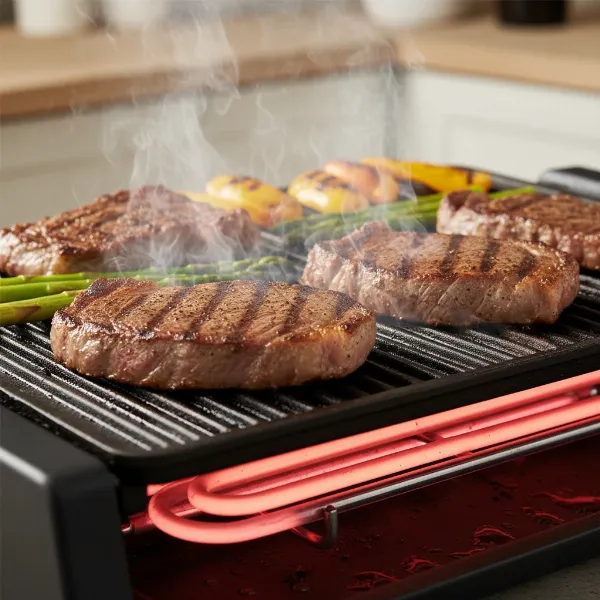 Close-up of food cooking on an electric grill with visible grill marks and high heat
In contrast, an electric smoker employs an indirect heat method. The heating element is usually located at the bottom of the unit, far removed from the food. Heat rises, along with smoke generated from wood chips, enveloping the food in a consistent, low-temperature environment, generally between 200°F and 275°F. This “low-and-slow” approach gently renders fats, breaks down tough connective tissues, and allows flavors to penetrate deeply without drying out the meat.
Flavor Profile
The resulting flavor is where the electric smoker truly sets itself apart. The indirect, smoke-infused cooking environment of an electric smoker imparts a rich, deep, and complex smoky flavor to food. The choice of wood chips (hickory, apple, mesquite, cherry, etc.) allows for customization of this flavor, creating tender, juicy results with a distinct “smoke ring.” This slow process allows the food to absorb the aromatic compounds from the wood, leading to a profound barbecue taste that is hard to replicate.
An electric grill, on the other hand, produces a flavor profile characterized by searing and charring. While it can create appealing grill marks and a delicious caramelized crust, it typically lacks the profound smoky depth that a smoker provides. Some electric grills may offer a very subtle “grill” flavor, but they do not actively generate smoke for infusion. The taste is clean, direct, and focused on the inherent flavors of the food, enhanced by the high-heat cooking process.
Cooking Time & Effort
When it comes to speed, the electric grill is the undisputed champion. Its high-heat, direct cooking method means that meals can be prepared in minutes, making it an excellent choice for weeknight dinners or impromptu gatherings. They require minimal preheating time and offer straightforward operation. You simply plug it in, set the temperature, and cook.
The electric smoker demands patience. Smoking is an art of “low-and-slow” cooking, often requiring several hours, sometimes even overnight, for larger cuts of meat. While the actual hands-on effort for an electric smoker is surprisingly low—many are “set-it-and-forget-it” models with digital controls—the total cooking duration is extensive. The main effort involves preparing the food, adding wood chips, and occasionally replenishing a water pan, then letting the appliance do its work.
Fuel Source & Operation
Both appliances rely on electricity as their primary power source, contributing to their ease of use and environmental friendliness compared to gas or charcoal. However, the role of fuel differs slightly. An electric grill uses electricity solely to power its heating element, generating the necessary heat for grilling. There are no additional fuel requirements beyond plugging it in.
An electric smoker also uses electricity for heat, but it incorporates an additional component: wood chips. While the electricity powers the heating element, it’s the smoldering wood chips placed in a designated tray that produce the essential smoke for flavor infusion. This combination of electric heat and wood smoke is what defines its unique cooking capability. Most electric smokers are designed for simple operation, with thermostats that maintain a consistent temperature, reducing the need for constant monitoring typical of traditional smokers.
Advantages and Disadvantages of Each
Both electric grills and electric smokers offer unique benefits and drawbacks. Understanding these can guide your decision based on your specific cooking needs and preferences.
Electric Grills
Pros:
- Speed and Convenience: Electric grills heat up quickly and cook food in a fraction of the time compared to smoking, perfect for fast meals.
- Ease of Use: Simply plug in, preheat, and cook. Temperature control is often digital and straightforward.
- Easy Cleanup: Many models feature non-stick surfaces and removable, dishwasher-safe components, making post-meal cleaning a breeze.
- Versatility: Excellent for searing, grilling, and toasting, accommodating a wide variety of foods from burgers to vegetables.
- Indoor/Outdoor Use: Many compact electric grills are suitable for indoor use, making grilling possible year-round, regardless of weather.
- Healthier Cooking: Often designed with grease drainage systems, reducing fat content in food.
Cons:
- Limited Smoky Flavor: Cannot replicate the deep, authentic smoky flavor produced by a smoker, as they do not effectively generate or circulate smoke.
- Less Tender Results for Tough Cuts: Not designed for the low-and-slow cooking that breaks down connective tissues in tough cuts of meat, which can result in less tender outcomes for certain foods.
- Slightly Less Authentic Searing: While they can sear, the char might not be as intense as a very hot charcoal or gas grill.
Electric Smokers
Pros:
- Deep Smoky Flavor: Delivers unparalleled smoky flavor and aroma, transforming ordinary food into gourmet BBQ.
- Incredibly Tender Results: The low-and-slow cooking process breaks down collagen, resulting in exceptionally tender and juicy meats like pulled pork and brisket.
- “Set-It-and-Forget-It” Convenience: Once set, electric smokers maintain consistent temperatures with minimal supervision, allowing you to focus on other tasks.
- Consistent Temperature Control: Digital thermostats provide precise temperature management, crucial for successful smoking.
- Relatively Easy Cleanup: Without charcoal ash or heavy grease residue, electric smokers are generally easier to clean than traditional smokers.
- Healthier Smoking: Reduces flare-ups and burnt bits compared to direct-flame grilling.
Cons:
- Long Cooking Times: Smoking requires significant time, often several hours, making it unsuitable for quick meals.
- Less Versatile for Quick Meals: Not designed for high-heat searing or quick grilling, limiting its utility for everyday cooking.
- Larger Footprint: Electric smokers tend to be bulkier than many electric grills, requiring more storage and outdoor space.
- Outdoor Use Primarily: While some models might be rated for indoor use, the smoke generation means they are predominantly outdoor appliances.
- Initial Learning Curve: While “set-it-and-forget-it” is convenient, learning optimal wood chip usage and understanding different cuts of meat for smoking still requires some experience.
Key Factors to Consider When Choosing an Electric Appliance
Deciding between an electric smoker and an electric grill largely depends on your culinary goals, lifestyle, and available space. Here are the critical factors to weigh before making your investment.
Desired Flavor Profile
This is arguably the most important consideration. Do you crave the distinct, rich, and deep smoky flavor that permeates meats cooked “low-and-slow”? If so, an electric smoker is your clear choice. It excels at infusing food with complex aromas from various wood chips, yielding tender, moist results that are synonymous with traditional barbecue.
If your preference leans towards quick, seared, and charred flavors with a crispy exterior, then an electric grill will be more satisfying. It provides the direct heat needed for grilling steaks, burgers, and vegetables, delivering that classic grilled taste without the extensive smoking process.
Cooking Time Availability
Consider how much time you typically have for meal preparation. If you need to cook meals quickly on a weeknight, an electric grill is the practical option, heating up rapidly and cooking food in minutes. It’s designed for efficiency and speed.
If you enjoy the process of slow cooking and are willing to dedicate several hours to prepare a meal, perhaps on a weekend, an electric smoker is suitable. While the hands-on time is minimal, the overall cooking duration for smoked foods is lengthy, allowing for deep flavor development and tenderization.
Space & Portability
Evaluate the space available for your appliance. Many electric grills, especially indoor models, are compact and portable, fitting easily on countertops or small balconies. Larger outdoor electric grills also tend to be more streamlined than smokers.
Electric smokers typically have a larger footprint and are generally designed for outdoor use due to the smoke production. Their cabinet-like structure requires more dedicated space. If you have limited outdoor space or primarily plan to cook indoors, this could be a significant factor.
Budget
The cost of electric grills and smokers can vary widely based on brand, size, and features. Generally, basic electric grills can be more affordable upfront, while entry-level electric smokers may have a slightly higher starting price due to their more specialized function and internal components for smoke generation. Consider not just the initial purchase price but also any ongoing costs, such as wood chips for a smoker.
Versatility vs. Specialization
Are you looking for an appliance that can do a bit of everything quickly, or one that specializes in a particular cooking style? An electric grill offers versatility for daily grilling tasks, from breakfast items to dinner entrees, all with speed.
An electric smoker is a specialized tool, excelling at one thing: producing perfectly smoked food. While it does that exceptionally well, its capabilities for quick, high-heat cooking are limited. If you desire both cooking styles, you might consider purchasing both appliances or exploring hybrid models that attempt to combine features, though often with compromises.
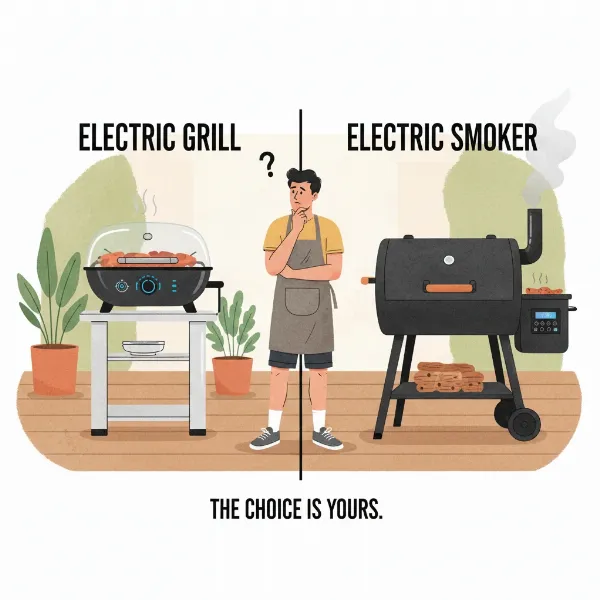 A person thoughtfully choosing between an electric grill and an electric smoker for cooking needs
Comparison Table: Electric Smoker vs. Electric Grill
To help visualize the distinct characteristics, here’s a detailed comparison between electric smokers and electric grills:
| Feature | Electric Smoker | Electric Grill |
|---|---|---|
| Cooking Method | Indirect heat, low-and-slow, smoke infusion | Direct heat, high-temperature searing |
| Temperature Range | Low (typically 200-275°F) | High (typically 350-450°F+) |
| Flavor Profile | Deep smoky, tender, juicy | Seared, charred, direct food flavor |
| Cooking Time | Long (hours to overnight) | Short (minutes to under an hour) |
| Effort Required | Low (set & forget), minimal supervision | Low (quick setup & cooking) |
| Fuel Source | Electricity for heat, wood chips for smoke | Electricity for heat |
| Best For | Brisket, ribs, pulled pork, whole chickens, fish | Steaks, burgers, hot dogs, chicken breasts, vegetables |
| Ideal Setting | Outdoor (due to smoke) | Indoor or Outdoor (many smokeless models available) |
Top Recommendations
Given the distinct functionalities, recommending one over the other depends entirely on your priority.
For the busy urban dweller or anyone prioritizing speed, convenience, and year-round indoor/outdoor grilling without the hassle of charcoal or gas, an electric grill is an outstanding choice. It’s perfect for quick weeknight meals and healthy everyday cooking.
For the dedicated BBQ enthusiast who craves authentic smoky flavors and exceptionally tender meats, the electric smoker is an indispensable tool. It allows you to create restaurant-quality smoked briskets, ribs, and pulled pork with surprising ease, albeit over a longer duration.
If ultimate culinary flexibility is your goal, consider owning both an electric grill and an electric smoker. Many passionate home chefs find value in having both appliances, utilizing the grill for quick cooks and the smoker for weekend projects, ensuring they are always equipped for any barbecue craving. Alternatively, explore hybrid models, though they often represent a compromise between the two specialized functions.
“Choosing between an electric smoker and an electric grill is really about defining your culinary identity. Do you chase the quick char or the slow, smoky embrace? Each offers a unique journey to deliciousness.” – John S., Experienced Electric Grill & Smoker Technician
Tips for Maximizing Your Electric Appliance Experience
Whether you opt for an electric grill or an electric smoker, a few key practices can help you get the most out of your appliance and ensure delicious results every time.
For Your Electric Grill:
- Preheat Properly: Always allow your electric grill to fully preheat to the desired temperature before placing food on it. This ensures even cooking and optimal searing.
- Keep it Clean: Regularly clean the cooking grates and drip trays. This not only maintains hygiene but also prevents old food residues from affecting the taste of new meals and extends the life of your non-stick surfaces.
- Don’t Overcrowd: Cook in batches if necessary. Overcrowding the grill can lower the surface temperature, leading to steaming instead of searing, and unevenly cooked food.
- Use Marinades & Rubs: Electric grills can sometimes benefit from flavorful marinades and dry rubs to enhance taste, compensating for the lack of smoky flavor.
For Your Electric Smoker:
- Season Your Smoker: Before the first use, “season” your smoker by running it empty with some wood chips for a few hours. This burns off manufacturing oils and creates a protective, flavor-enhancing layer.
- Choose the Right Wood Chips: Experiment with different types of wood chips (hickory for bold, apple for mild, mesquite for intense) to find your preferred flavor profile. Avoid using too many chips at once, as too much smoke can lead to a bitter taste.
- Utilize a Water Pan: Most electric smokers include a water pan. Filling it with water, apple juice, or broth helps maintain moisture in the cooking chamber, keeping meats juicy and preventing them from drying out during long smokes.
- Practice Patience: Smoking is a low-and-slow process. Resist the urge to constantly open the smoker door, as this releases heat and smoke, extending cooking times and affecting consistency. Trust the process and your thermometer.
- Use a Meat Thermometer: An accurate meat thermometer is your best friend for smoking. Cook to internal temperatures, not just time, to ensure food safety and optimal tenderness.
By following these tips, you’ll be well on your way to mastering your electric cooking appliance and enjoying perfectly prepared meals.
Conclusion
The choice between an electric smoker and an electric grill ultimately hinges on your culinary priorities. If speed, convenience, high-heat searing, and indoor/outdoor flexibility for everyday meals are paramount, an electric grill is an excellent investment. It provides a clean, efficient way to achieve classic grilled flavors. However, if your passion lies in crafting deeply flavored, incredibly tender meats with that authentic barbecue essence, and you have the patience for “low-and-slow” cooking, then an electric smoker will unlock a world of gourmet smoking possibilities.
Many enthusiastic cooks find that both appliances complement each other, offering a comprehensive suite of options for any cooking occasion. Evaluate your space, time constraints, and taste preferences, and you’ll find the perfect electric companion to elevate your home cooking experience.
Frequently Asked Questions
Can an electric grill be used as a smoker?
While some electric grills might have very limited capabilities for adding a hint of smoke (e.g., small smoke boxes), they are fundamentally designed for high-heat direct grilling. They cannot replicate the low-and-slow, indirect cooking environment or the deep smoke infusion that an electric smoker provides. For true smoking, a dedicated electric smoker is required.
Is electric smoking healthy?
Electric smoking can be considered a healthier cooking method compared to some traditional grilling. Since it uses indirect, low heat, it reduces the risk of charring and the formation of harmful compounds associated with high-temperature direct flame cooking. Also, fat often renders off the meat during the long smoking process.
Which is easier to clean, an electric smoker or an electric grill?
Both electric smokers and electric grills are generally easier to clean than their charcoal counterparts. Electric grills often feature non-stick surfaces and removable, dishwasher-safe parts, making cleanup very quick. Electric smokers, while they may have some grease and smoke residue, avoid the mess of ash from charcoal, simplifying their maintenance as well.
Can I use wood pellets in an electric smoker?
Most standard electric smokers are designed to use wood chips, not wood pellets. Wood pellets are typically used in pellet grills (which are often hybrids of smokers and grills). Using pellets in a wood chip tray may not produce consistent smoke or could even damage the smoker, so it’s best to stick to the manufacturer’s recommended fuel type.
What foods are best for an electric smoker?
Electric smokers excel at cooking large, tougher cuts of meat that benefit from long, slow cooking. Popular items include beef brisket, pork ribs, pulled pork (pork shoulder/butt), whole chickens, turkeys, sausages, and even some fish like salmon. Vegetables and cheese can also be smoked for unique flavor profiles.
What foods are best for an electric grill?
Electric grills are ideal for foods that cook quickly and benefit from direct heat and searing. This includes steaks, burgers, hot dogs, chicken breasts, sausages, fish fillets, shrimp, corn on the cob, bell peppers, zucchini, and various other vegetables that can be cooked relatively fast.
Do electric grills add flavor?
Electric grills primarily enhance food flavor through searing, charring, and caramelization, bringing out the inherent taste of the ingredients. While they don’t produce a smoky flavor like a smoker, the high heat can create delicious grill marks and a satisfying crispy texture that contributes to the overall taste experience.