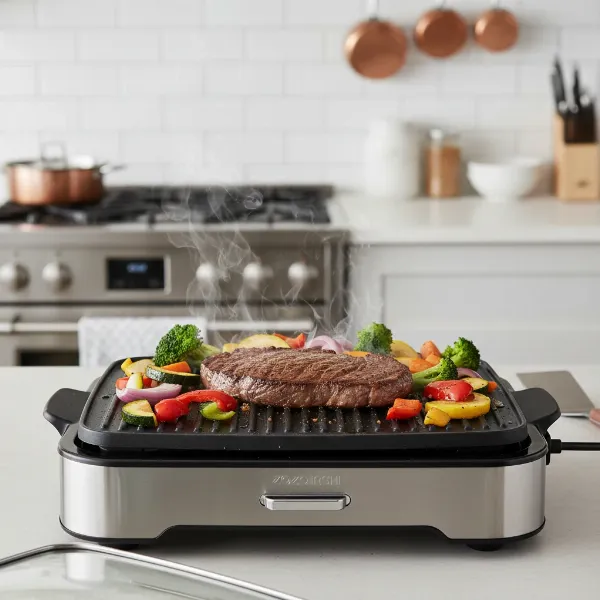
Are you passionate about sizzling steaks and perfectly grilled vegetables but increasingly concerned about your environmental footprint? The traditional backyard barbecue, while a cherished pastime, often comes with a significant carbon cost. As we look towards a greener future, the electric grill is already a step in the right direction, but imagine harnessing the sun’s boundless energy to power your outdoor cooking. Welcome to the world of solar-powered electric grills, an innovative solution poised to redefine sustainable grilling and enhance your culinary adventures with clean, renewable energy. This comprehensive guide will explore the evolution, benefits, challenges, and exciting future of solar-powered electric grills.
Overview of Electric Grills and the Solar Revolution
Electric grills represent a modern evolution in cooking, offering a convenient and often healthier alternative to charcoal and gas. These devices convert electricity into heat, directly cooking food on heated grates or plates. Their advantages include precise temperature control, ease of use, minimal smoke, and suitability for both indoor and outdoor settings. Historically, grilling has relied on combustion, but the increasing demand for eco-conscious living has spurred innovations.
The integration of solar power is the next logical step in this evolution, pushing electric grilling into a truly sustainable realm. Instead of drawing power from the conventional grid, which may rely on fossil fuels, solar-powered electric grills either convert sunlight directly into thermal energy for cooking or utilize solar panels to generate electricity, which is then stored and used to power an electric grill. This movement towards solar-powered electric grills aligns with a broader trend of seeking renewable energy solutions in all aspects of our lives, from homes to outdoor activities.
Advantages and Disadvantages of Solar-Powered Electric Grills
Embracing solar power for your grilling needs offers a compelling blend of benefits, but it also comes with a unique set of considerations. Understanding both sides is crucial for making an informed decision about this cutting-edge technology.
Advantages: Sustainable Sizzle and Savings
|
Our Picks for the Best electric grill in 2026
As an Amazon Associate I earn from qualifying purchases.
|
||
| Num | Product | Action |
|---|---|---|
| 1 | Artestia 1800W Electric Outdoor Grills with Lid Indoor Smokeless Grill for Balcony with Temperature Control Portable Removable Stand Grill for Cooking, BBQ Party, Family |

|
| 2 | Hamilton Beach Electric Indoor Searing Grill with Viewing Window & Adjustable Temperature Control to 450F, 118 sq. in. Surface Serves 6, PFAS-Free Removable Nonstick Grate, Stainless Steel |
|
| 3 | Electric Grill, CUSIMAX Electric Indoor/Outdoor Grill, 1600W Portable BBQ with Lid for Indoor & Outdoor Use, Adjustable Heat, Removable Stand Grill for Cookouts, BBQ Gatherings, Small Spaces |
|
| 4 | Chefman Electric Smokeless Indoor Grill w/ Non-Stick Cooking Surface & Adjustable Temperature Knob from Warm to Sear for Customized BBQing, Dishwasher Safe Removable Water Tray, Black |
|
| 5 | Ninja DG551 Foodi Smart XL 6-in-1 Indoor Grill with Air Fry, Roast, Bake, Broil, & Dehydrate, Foodi Smart Thermometer, 2nd Generation, Black/Silver |
|
| 6 | Ninja Griddle and Indoor Grill, 14’’, Electric Grill, For Steak, Burgers, Salmon, Veggies, and More, Pancake Griddle, Nonstick, Dishwasher Safe, 500F, Even Cooking, Silver, GR101 |
|
| 7 | Chefman Smokeless Indoor Electric Grill, Extra Large Grilling Surface, Nonstick Table Top Grill for Indoor Grilling and BBQ with Adjustable Temperature Control, Drip Tray, Dishwasher-Safe Parts |
|
| 8 | Electric Grill, Techwood Indoor/Outdoor Electric BBQ Grill, 1600W Portable Removable Stand Grill with Adjustable Heat & Drip Tray, Double Layer Design for Party, Patio & Backyard (Blue) |
|
| 9 | Chefman XL Electric Griddle with Removable Temperature Control, Immersible Flat Top Grill, Burger, Eggs, Pancake Griddle, Nonstick Extra Large Cooking Surface, Slide Out Drip Tray, 10 x 20 Inch |
|
| 10 | Electric Grill, Techwood Indoor/Outdoor Electric BBQ Grill, 1600W Portable Removable Stand Grill with Adjustable Heat & Drip Tray, Double Layer Design for Party, Patio & Backyard (Black) |
|
The primary allure of solar-powered electric grills lies in their environmental credentials and long-term economic benefits. They leverage clean, renewable energy from the sun, drastically reducing reliance on fossil fuels like charcoal, propane, or grid electricity. This translates to significantly lower carbon emissions, contributing to a healthier planet. Unlike charcoal grills, solar solutions produce no harmful gases such as carbon monoxide or carcinogenic residues, leading to healthier cooked food and cleaner air.
Furthermore, the “fuel” source—sunlight—is entirely free, leading to substantial savings on electricity bills or fuel purchases over time. Many solar grilling systems are designed for portability, making them ideal for camping trips, picnics, or tailgating where traditional power sources might be unavailable. They offer versatility, capable of not just grilling but often baking, roasting, or even sterilizing water, adding to their utility in various scenarios. Advanced solar ovens can even preserve natural nutrients more effectively due to balanced, consistent temperatures, resulting in moist, tender, and flavorful food.
Disadvantages: Navigating the Sun’s Schedule
Despite their numerous advantages, solar-powered electric grills do present certain limitations. The most significant challenge is their dependence on direct sunlight. Traditional solar grills are not a viable option on rainy, heavily cloudy days, or at night, unless they incorporate energy storage solutions. This weather dependency can restrict spontaneous grilling plans.
Compared to high-powered conventional grills, direct solar grills may also have longer cooking times due to less concentrated heat. Furthermore, the intensity of solar heat can fluctuate throughout the day, making precise temperature control more challenging for some direct solar cooking methods. While the “fuel” is free, the initial investment in a quality solar-powered grill or a robust solar generator and electric grill setup can be higher than conventional grilling equipment. Some direct solar grills may also require users to periodically adjust their angle to optimize sunlight absorption, adding a slight layer of user interaction.
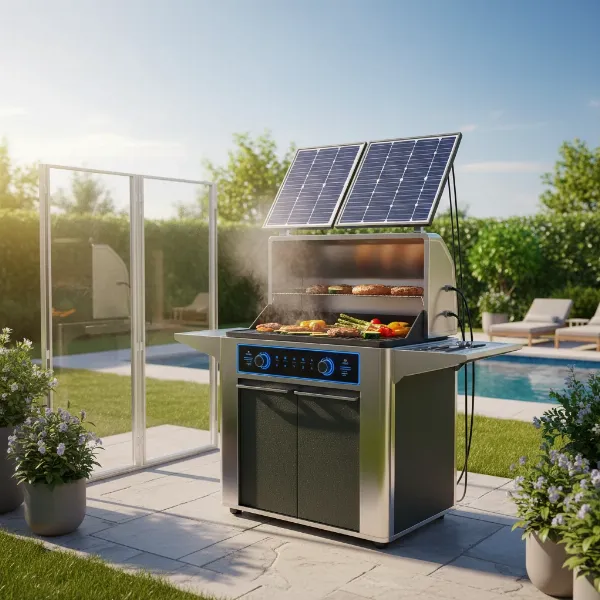 A futuristic solar-powered electric grill with food sizzling, set in a vibrant outdoor scene with bright sunlight.
Factors to Consider When Embracing Solar Grilling
Choosing the right solar grilling solution involves understanding the different technologies available and aligning them with your specific needs. Here’s a buying guide to help you navigate the options.
Type of Solar Grilling System
- Direct Solar Grills/Ovens: These systems use mirrors or reflective surfaces (like parabolic reflectors) to concentrate sunlight onto a cooking chamber or surface. They are typically simpler, fuel-free, and directly convert light to heat. Brands like GoSun are prominent in this category. They are excellent for pure solar cooking and often highly portable.
- Solar Generator + Electric Grill Setup: This approach involves pairing solar panels with a portable power station (solar generator) that stores the collected energy. This stored electricity then powers a standard electric grill. This method offers greater flexibility, allowing you to grill even when the sun isn’t shining, as long as your generator is charged. It also means you can use your existing electric grill if it’s compatible with the generator’s power output.
Size and Power Output
Consider the number of people you typically cook for and the types of food you plan to grill. Direct solar ovens come in various capacities, from personal compact models to larger family-sized units. For a solar generator setup, you need to match the electric grill’s wattage requirements (typically 700-2500 watts) with the solar generator’s output capacity. A larger generator with higher wattage output will power more powerful grills and offer longer cooking times.
Material and Durability
For direct solar grills, look for high-quality reflective materials that are durable, efficient at concentrating sunlight, and easy to clean. Vacuum tubes and well-insulated cooking chambers are also key for efficient heat retention. For electric grills, non-stick surfaces, cast iron, or stainless steel grates are common, just as with conventional electric grills. Ensure the overall construction, especially for portable units, is robust enough to withstand outdoor use.
Features
- Temperature Control: While direct solar grills may have limited precise control, some advanced models allow for better management of cooking temperatures. With a solar generator, the electric grill itself will have its usual temperature controls.
- Energy Storage: For direct solar grills, look for models with thermal batteries or Phase Change Materials (PCMs) that can store heat for cooking after sunset or on cloudy days. This is a game-changer for extending usability.
- Portability: Consider the weight, size, and ease of setup and breakdown if you plan to move your solar grill frequently.
- Ease of Cleaning: Non-stick surfaces, removable trays, and simple designs contribute to easier maintenance.
- Versatility: Some solar ovens can function as ovens, steamers, or even water purifiers, adding value beyond just grilling.
Brand and Price
The solar grilling market is growing, with innovators like GoSun leading the charge in direct solar oven technology. For solar generators, reputable brands in portable power solutions offer compatible products. Compare features, power, and price points across different brands to find a solution that fits your budget and needs. While the initial cost might be higher, remember the long-term savings on fuel.
Innovations Driving the Future of Solar-Powered Electric Grills
The future of grilling is undeniably leaning towards sustainability, and solar-powered electric grills are at the forefront of this transformation. Continuous innovation is rapidly addressing the current limitations and expanding the capabilities of this eco-friendly cooking method.
One of the most significant breakthroughs is in thermal energy storage. Traditional solar grills were highly weather-dependent, but new technologies like Phase Change Materials (PCMs) and advanced thermal batteries are changing this. Researchers at MIT, for instance, have developed systems that use substances like lithium nitrate to store solar thermal energy as latent heat. This stored energy can then be released to cook food for up to 25 hours at temperatures exceeding 450°C, effectively enabling solar grilling at night or during prolonged cloudy periods. Companies like GoSun have integrated similar PCM technology into their hybrid solar ovens, allowing users to cook with stored solar energy even after the sun sets.
Hybrid models are another exciting development. These systems combine solar power with a backup energy source, such as a small electric heating element or propane connection. This ensures uninterrupted grilling, offering the best of both worlds: maximizing solar usage when available and seamlessly switching to an alternative when needed.
Improvements in solar panel efficiency and energy conversion are making solar generators more powerful and compact. As these technologies advance, solar generators will become even more capable of powering high-wattage electric grills for longer durations, offering true off-grid electric grilling freedom.
Furthermore, the general trend in grilling technology points towards smart integration. While not exclusively solar, future solar-powered electric grills may incorporate smart features such as app-controlled temperature monitoring, predictive cooking algorithms based on sunlight intensity, and even automated angle adjustments for optimal sun exposure. These innovations will make solar grilling more user-friendly, efficient, and reliable. The industry is also exploring sustainable materials for grill construction, using recyclable components and energy-efficient designs to further reduce the environmental footprint.
“The ability to store the sun’s energy for later use is revolutionizing solar cooking. It’s moving from a niche, daytime activity to a versatile, round-the-clock grilling solution.” – Dr. Anya Sharma, Renewable Energy Systems Engineer
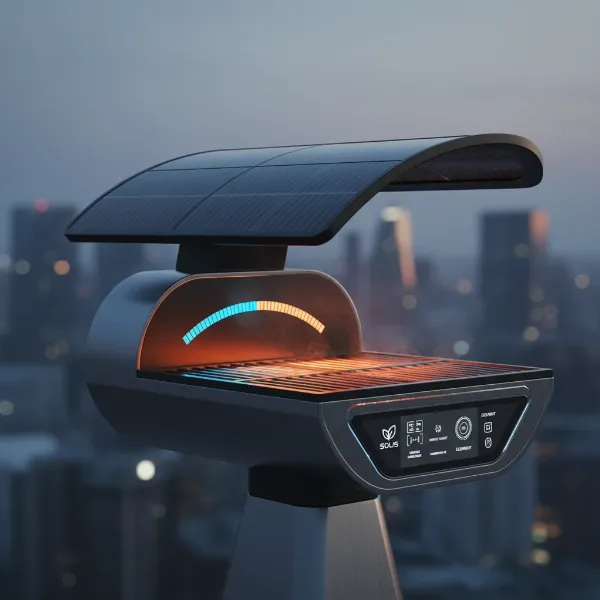 An advanced solar-powered electric grill concept with integrated thermal storage and smart controls, demonstrating nighttime grilling.
Top Solar Grilling Solutions
While the market for integrated solar-powered electric grills is still emerging, there are distinct types of solutions gaining traction, each offering unique benefits for the eco-conscious griller.
Direct Solar Ovens and Grills
These systems directly harness the sun’s rays to generate heat, making them entirely fuel-free and exceptionally eco-friendly. Products like the GoSun Grill exemplify this category. They typically use evacuated tubes and parabolic reflectors to capture and concentrate sunlight, reaching impressive cooking temperatures quickly. Many GoSun models, such as the GoSun Fusion Hybrid Solar Oven, can even incorporate thermal batteries (using PCMs) to store energy, allowing for cooking after dark or on cloudy days. These units are often portable, versatile enough for baking, boiling, and frying, and known for cooking food evenly and retaining moisture.
Portable Solar Generators Paired with Electric Grills
This solution offers the most flexibility for those who love their electric grills but want to go off-grid. High-capacity portable solar generators, like those offered by Anker SOLIX or Jackery, can be charged by foldable solar panels during the day. Once charged, these power stations can deliver the necessary wattage to run a conventional electric grill, whether it’s an indoor countertop model or a larger outdoor electric unit. The key advantage here is the ability to grill regardless of immediate sunlight, as long as the generator has stored power. This setup provides familiarity for users accustomed to electric grills and also allows the solar generator to power other devices and appliances, making it a versatile investment for outdoor living or emergency preparedness.
When considering “top” solutions, it’s about choosing the system that best fits your grilling style and needs. For pure solar-driven cooking and ultimate sustainability, a direct solar oven with thermal storage is ideal. For flexibility, power, and the ability to use your favorite electric grill anywhere, a robust solar generator paired with an electric grill is the preferred choice. Both pathways represent significant advancements in making grilling more sustainable and accessible.
Tips for Using and Maintaining Solar Grilling Systems
Maximizing the performance and longevity of your solar grilling system requires understanding how to use it effectively and care for it properly.
Safe and Efficient Use
- Optimal Sun Exposure: For direct solar grills, always position the unit to receive maximum direct sunlight. Adjust the angle periodically throughout your cooking session to follow the sun’s path for consistent heating.
- Preheating: Just like a conventional oven or grill, allow your solar grill ample time to preheat. This ensures even cooking and better results.
- Patience is Key: Direct solar cooking can sometimes take longer than traditional methods. Factor in extra cooking time, especially for larger or denser foods.
- Monitor Temperature: Utilize built-in thermometers or external probes to monitor food temperature, ensuring everything cooks thoroughly and safely.
- Safety First: While flameless, solar grills can reach high temperatures. Always use heat-resistant gloves and exercise caution when handling hot components.
Cleaning and Preservation
- Regular Cleaning: Clean your solar grill after each use. For direct solar ovens, ensure reflective surfaces and glass tubes are free of grease and debris to maintain optimal sun absorption. Use a soft cloth and mild, non-abrasive cleaners.
- Proper Storage: When not in use, store your solar grilling system in a clean, dry place, protected from extreme weather. For portable solar generators, follow the manufacturer’s guidelines for battery storage, typically in a cool, dry environment.
- Check Connections: For solar generator setups, regularly inspect all electrical connections between the solar panels, generator, and electric grill to ensure they are secure and free from wear.
- Handle with Care: Solar panels and reflective surfaces can be delicate. Avoid dropping or subjecting them to harsh impacts that could compromise their efficiency.
By following these tips, you can ensure your solar-powered electric grill provides delicious, eco-friendly meals for years to come.
Conclusion
The evolution of grilling has reached a pivotal moment, with solar-powered electric grills emerging as a compelling answer to the growing demand for sustainable and eco-friendly outdoor cooking. From the initial spark of an idea to today’s innovative models that can store the sun’s energy for nighttime feasts, the technology is rapidly advancing, offering a cleaner, more cost-effective, and versatile way to enjoy your favorite grilled foods. While challenges like weather dependency and initial cost remain, ongoing innovations in thermal storage and hybrid systems are continuously expanding the possibilities.
Embracing a solar-powered electric grill isn’t just about cooking; it’s a statement about our commitment to the planet and a glimpse into the future of our culinary practices. As the technology matures and becomes more accessible, we can anticipate a future where the savory aroma of barbecue is accompanied by the silent, clean power of the sun. Are you ready to electrify your grilling with the power of the sun and be a part of this sustainable revolution?
Frequently Asked Questions
What exactly is a solar-powered electric grill?
A solar-powered electric grill refers to a grilling system that utilizes the sun’s energy, either directly to create heat for cooking (a solar oven/grill) or indirectly by using solar panels to charge a battery (solar generator) that then powers a standard electric grill. Both methods aim to provide a sustainable, fuel-free grilling experience.
Can I really grill with solar power at night or on cloudy days?
Yes, thanks to advancements in thermal energy storage and battery technology. Some direct solar ovens incorporate Phase Change Materials (PCMs) to store heat collected during sunny periods, allowing for cooking after sunset. Alternatively, a solar generator can store electricity from solar panels, enabling you to power an electric grill anytime, even without direct sunlight.
How long does it take to cook food on a solar grill compared to a traditional one?
Direct solar grills may have longer cooking times than traditional gas or charcoal grills, as they rely on sunlight intensity, which can be less concentrated. However, some high-efficiency solar ovens can cook meals in about an hour. If using a solar generator with an electric grill, cooking times will be similar to a conventional electric grill.
Are solar-powered electric grills safe to use?
Yes, solar-powered electric grills are generally very safe. They operate without open flames, propane tanks, or charcoal, eliminating associated fire risks and carbon monoxide emissions. Always follow the manufacturer’s safety guidelines, especially regarding handling hot surfaces and proper electrical connections for generator setups.
What is the expected lifespan of a solar-powered electric grill or a solar generator system?
The lifespan varies by component and manufacturer. High-quality solar panels can last 20-30 years, while solar generator batteries typically have a lifespan of 500-2000 charge cycles, which translates to several years of regular use. The electric grill component’s lifespan will be similar to any standard electric grill. Proper maintenance significantly contributes to longevity.