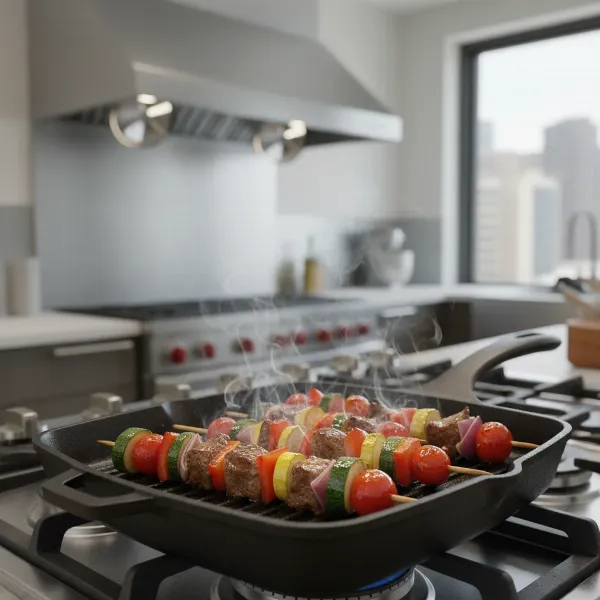
Grilling is a beloved cooking method, conjuring images of sizzling meals and vibrant flavors. However, for many, the joy of grilling comes with a concern about excess fat and calories. Is it possible to savor perfectly grilled dishes while maintaining a healthy lifestyle? Absolutely. The secret lies in understanding and implementing effective fat-draining techniques, transforming your grilling experience into one that is both delicious and health-conscious. This guide will equip you with the knowledge and practical tips to minimize fat without sacrificing flavor.
Understanding Healthy Grilling and Its Benefits
Healthy grilling isn’t just a trend; it’s a mindful approach to preparing food that prioritizes nutrition without compromising taste. At its core, it involves techniques that reduce unhealthy fats and potential carcinogens, while maximizing the natural flavors of your ingredients.
Why is reducing fat intake from grilling so important? Excess dietary fat, particularly saturated and trans fats, can contribute to various health issues, including heart disease and high cholesterol. When fat drips onto hot coals or heating elements, it can also create smoke that contains harmful compounds. By actively draining fat, you not only reduce caloric intake and improve the nutritional profile of your meal, but you also minimize flare-ups and the production of these undesirable byproducts, leading to a cleaner, safer, and ultimately healthier cooking process.
The Science of Fat Draining in Grilling
When meat cooks, especially at higher temperatures, its internal fats begin to render and melt. This liquefied fat then drips away from the food. The amount of fat that drains depends significantly on the internal temperature the meat reaches; fat typically begins to melt in the range of 130-160°F (55-70°C), with more substantial melting occurring at higher internal temperatures. As the meat’s proteins contract during cooking, they squeeze out additional fat and moisture.
Understanding this process is key to effective fat management. Fat flare-ups, a common grilling nuisance, occur when dripping fat ignites upon contact with a heat source. While dramatic, these flare-ups can impart an unpleasant, sooty flavor to food and can produce unhealthy compounds. Therefore, promoting efficient fat drainage is not only about health but also about achieving a better-tasting and safer grilled product.
Essential Techniques for Effective Fat Draining
Achieving healthy grilling outcomes requires a combination of smart choices before and during the cooking process. Implementing these techniques will help you significantly reduce fat content in your grilled meals.
Choosing the Right Grill
The type of grill you use can greatly influence fat drainage. Electric grills, for instance, are often designed with features specifically for this purpose. Many models include sloped cooking surfaces that guide rendered fat into an integrated drip tray, minimizing re-absorption and flare-ups. Outdoor grills, whether gas or charcoal, can also be optimized. Consider models with adjustable grates that allow you to create different heat zones, and ensure they have adequate grease management systems.
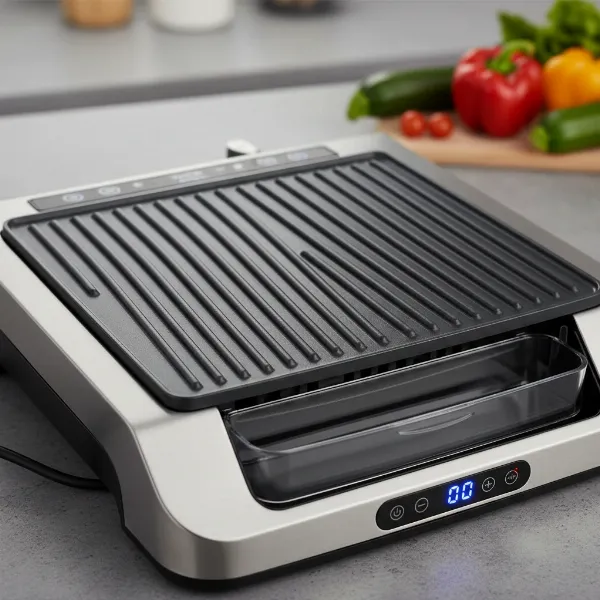 Electric grill with sloped cooking surface draining fat into a collection tray.
Meat Preparation and Trimming
The journey to leaner grilled food begins long before it hits the grates. One of the most impactful steps is trimming visible fat from meat cuts before cooking. This simple act can drastically cut down on the amount of fat that renders during grilling. For poultry, removing the skin is another effective strategy. While some prefer to cook with the skin on for moisture, removing it before eating, or even before cooking, makes a significant difference.
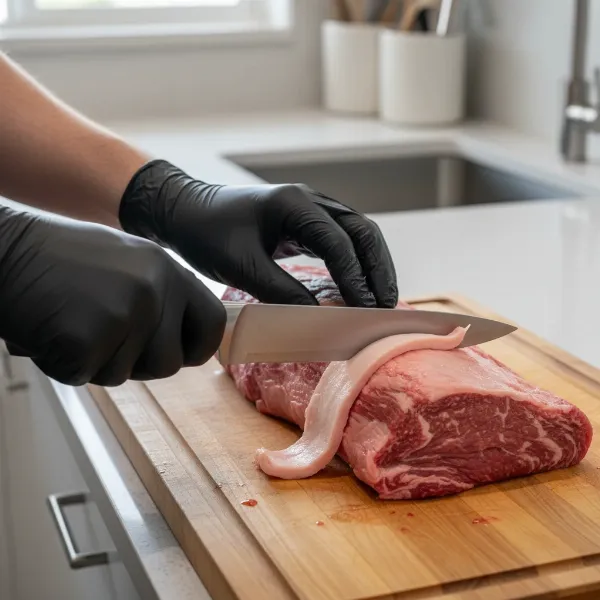 Hands using a knife to carefully trim visible excess fat from a raw cut of red meat.
“Preparing your proteins by trimming visible fats and removing skin is the first and most critical step towards a truly healthy grilled meal.” – Chef Elena Petrova, Culinary Nutrition Expert
When preparing ground meat, opt for leaner percentages (e.g., 90% lean or higher) right from the start. You can also poke small holes in fattier cuts before grilling to create channels for fat to escape, though this should be done with caution to avoid excessive drying. Marinades can also play a role; acidic marinades not only add flavor and tenderize meat but can also help break down some surface fats.
Grilling Methods and Practices
Once your ingredients are prepped, the way you grill them matters. Start by preheating your grill to the correct temperature. For fattier cuts, consider using a two-zone cooking method on outdoor grills, placing the meat over indirect heat initially to allow fat to render slowly and drip away without causing immediate flare-ups. You can then move it to direct heat for a quick sear.
For ground meats, cooking on a grill pan with ridges or an electric grill with a sloped surface actively promotes drainage. If using a flat surface, periodically tilt the pan or use a spatula to push accumulated fat away from the food and into a collection tray. Grill mats or aluminum foil with small punctures can also be used to catch some drippings while still allowing for heat transfer and a hint of smoky flavor. Always monitor your food closely to prevent charring, which can indicate the formation of unhealthy compounds.
Tools and Accessories for Optimal Fat Reduction
Several tools and accessories can significantly enhance your fat-draining efforts, making healthy grilling easier and more efficient.
- Drip Trays and Grease Channels: Many modern grills, particularly electric models, are designed with integrated drip trays and sloped grease channels. These features are invaluable for collecting rendered fat, keeping it away from your food and preventing flare-ups. Ensure these are regularly cleaned for optimal performance.
- Sloped Grill Plates: As an electric grill technician for over a decade, I’ve seen firsthand how effective sloped grill plates are. They leverage gravity to move fat away from the cooking surface, reducing the amount re-absorbed by your food. This design is a hallmark of many healthier grilling options.
- Grill Presses: For burgers, bacon, or sandwiches, a grill press can help flatten food and physically press out excess fat. While effective, use it judiciously to avoid drying out leaner items.
- Specialized Grill Grates: Some grill grates are designed with narrower gaps or channels to better direct fat away from the heat source and into collection systems below.
- Fat Separators: While not used directly on the grill, a fat separator is an excellent tool for post-grilling, allowing you to easily skim fat from juices or broths that may accompany your grilled items.
- Paper Towels: For ground meat cooked in a skillet or on a flat grill plate, paper towels can be used to blot away surface fat during or after cooking.
Beyond Fat Draining: Holistic Healthy Grilling Tips
While draining fat is a cornerstone of healthy grilling, a holistic approach incorporates other smart choices for an even more nutritious meal.
- Leaner Protein Choices: Prioritize lean cuts of meat such as chicken breast, pork loin, or sirloin. Fish, including salmon, tuna, and swordfish, is an excellent source of healthy omega-3 fatty acids and typically has a lower fat content.
- Grilling Vegetables and Fruits: Expand your grilling repertoire beyond just meat. Vegetables like bell peppers, zucchini, eggplant, and asparagus, along with fruits such as pineapple and peaches, are delicious grilled. They add fiber, vitamins, and minerals without significant fat.
- Portion Control: Even with healthier preparations, portion sizes matter. Be mindful of how much you’re consuming to manage overall calorie and fat intake.
- Avoiding Charring: High-temperature grilling can sometimes lead to charring, which can produce harmful compounds. To reduce this risk, trim visible fat, marinate your meats, and cook at moderate temperatures, flipping frequently.
- Healthy Marinades and Seasonings: Opt for homemade marinades using fresh herbs, spices, vinegar, lemon, or lime juice instead of store-bought options that can be high in sugar, sodium, and unhealthy fats. These natural flavors enhance your food without adding unnecessary calories.
Top Tips for a Healthier Grilling Experience
For the best and healthiest grilling experience, integrate these practices into your routine:
- Start Lean: Always begin with leaner cuts of meat and trim any visible fat before cooking. Remove poultry skin.
- Optimize Your Grill: Utilize grills with fat-draining features like sloped surfaces and drip trays. For traditional grills, set up two-zone cooking.
- Manage Heat: Cook at appropriate temperatures to render fat effectively without charring. Use a spray bottle with water for minor flare-ups.
- Drain Actively: For ground meats, drain the rendered fat during and after cooking. Use a grill press or paper towels to aid in the process.
- Clean Regularly: A clean grill prevents old grease buildup from causing flare-ups and reduces the risk of transferring unwanted flavors.
- Diversify Your Plate: Incorporate plenty of grilled vegetables and fruits to boost nutrient intake and add variety.
- Choose Wise Condiments: Be selective with sauces and dressings, opting for lighter, homemade versions.
By combining these strategies, you’ll be well on your way to mastering healthy grilling and enjoying delicious, nutritious meals.
Conclusion
Healthy grilling, with an emphasis on effectively draining fat, is an achievable goal for any home cook. By making conscious choices about meat preparation, utilizing the right grilling techniques and tools, and adopting a holistic approach to your meal, you can significantly reduce fat and calories while elevating the flavors of your food. Remember, small changes in your grilling habits can lead to big health benefits, allowing you to indulge in the joy of grilling without guilt. What healthy grilling technique will you implement first to enhance your next outdoor feast?
Frequently Asked Questions
How does draining fat affect the flavor of grilled meat?
While fat contributes to flavor, effectively draining excess fat typically removes only the undesirable, heavy grease, not the intramuscular fat that provides juiciness and taste. By focusing on trimming visible fat and promoting drainage, you enhance the meat’s natural flavors rather than diminishing them.
Can electric grills really make grilling healthier?
Yes, many electric grills are designed with sloped cooking surfaces and integrated drip trays that actively channel rendered fat away from your food. This design minimizes fat re-absorption and significantly reduces flare-ups, contributing to a healthier grilling process compared to flat-surface cooking methods where fat can pool.
Is it better to trim fat before or after grilling?
It is generally better to trim visible fat before grilling. Pre-trimming allows more fat to render and drip away during cooking, preventing flare-ups and reducing the overall fat content of the final dish. Trimming after cooking might remove some surface fat but won’t prevent the fat from melting and potentially re-absorbing or causing issues during the grilling process.
What are common mistakes to avoid when trying to drain fat?
Common mistakes include not trimming visible fat before cooking, failing to use a sloped cooking surface or drip tray, neglecting to drain accumulated fat from ground meats, and cooking at excessively high temperatures that cause charring before fat has a chance to render properly. Also, never pour hot grease down your drain; allow it to solidify and dispose of it in the trash.