Craving the smoky char and juicy snap of perfectly grilled sausages and hot dogs, but bad weather or apartment living is keeping you from the outdoor barbecue? Don’t let a lack of an outdoor grill dampen your enthusiasm. Achieving that delectable “grilled” flavor and texture is entirely possible right inside your kitchen. With the right techniques and appliances, you can enjoy savory, browned sausages and hot dogs, complete with those coveted grill marks, any time the craving strikes. This comprehensive guide will walk you through various indoor grilling methods, offering expert tips and tricks to ensure your sausages and hot dogs are cooked to perfection, full of flavor, and minimize fuss and smoke.
Understanding Indoor Grilling for Sausages and Hot Dogs
Indoor grilling isn’t about replicating a charcoal or gas grill exactly; it’s about harnessing direct heat to cook, brown, and sometimes char your sausages and hot dogs, mimicking the desired effects of outdoor grilling. The goal is a beautifully cooked exterior—crispy, browned, or marked—and a juicy, thoroughly heated interior. This approach offers unparalleled convenience, allowing you to enjoy your favorite grilled fare regardless of rain, snow, or simply the absence of a backyard. The primary considerations for indoor grilling are managing potential smoke, ensuring adequate ventilation, and choosing a method that best achieves your desired texture and flavor profile.
Popular Indoor Methods for Perfect Sausages and Hot Dogs
Transforming your kitchen into an indoor grilling haven is easier than you might think, thanks to a variety of versatile cooking methods. Each offers a unique way to bring that beloved grilled taste and texture to your sausages and hot dogs.
The Electric Indoor Grill
|
Our Picks for the Best electric grill in 2026
As an Amazon Associate I earn from qualifying purchases.
|
||
| Num | Product | Action |
|---|---|---|
| 1 | Ninja Griddle and Indoor Grill, 14’’, Electric Grill, For Steak, Burgers, Salmon, Veggies, and More, Pancake Griddle, Nonstick, Dishwasher Safe, 500F, Even Cooking, Silver, GR101 |

|
| 2 | Ninja DG551 Foodi Smart XL 6-in-1 Indoor Grill with Air Fry, Roast, Bake, Broil, & Dehydrate, Foodi Smart Thermometer, 2nd Generation, Black/Silver |
|
| 3 | Chefman Electric Smokeless Indoor Grill w/ Non-Stick Cooking Surface & Adjustable Temperature Knob from Warm to Sear for Customized BBQing, Dishwasher Safe Removable Water Tray, Black |
|
| 4 | Hamilton Beach Electric Indoor Searing Grill with Viewing Window & Adjustable Temperature Control to 450F, 118 sq. in. Surface Serves 6, PFAS-Free Removable Nonstick Grate, Stainless Steel |
|
| 5 | Electric Grill, Techwood Indoor/Outdoor Electric BBQ Grill, 1600W Portable Removable Stand Grill with Adjustable Heat & Drip Tray, Double Layer Design for Party, Patio & Backyard (Black) |
|
| 6 | Chefman Smokeless Indoor Electric Grill, Extra Large Grilling Surface, Nonstick Table Top Grill for Indoor Grilling and BBQ with Adjustable Temperature Control, Drip Tray, Dishwasher-Safe Parts |
|
| 7 | Chefman XL Electric Griddle with Removable Temperature Control, Immersible Flat Top Grill, Burger, Eggs, Pancake Griddle, Nonstick Extra Large Cooking Surface, Slide Out Drip Tray, 10 x 20 Inch |
|
| 8 | Artestia 1800W Electric Outdoor Grills with Lid Indoor Smokeless Grill for Balcony with Temperature Control Portable Removable Stand Grill for Cooking, BBQ Party, Family |
|
| 9 | Electric Grill, CUSIMAX Electric Indoor/Outdoor Grill, 1600W Portable BBQ with Lid for Indoor & Outdoor Use, Adjustable Heat, Removable Stand Grill for Cookouts, BBQ Gatherings, Small Spaces |
|
| 10 | Electric Grill, Techwood Indoor/Outdoor Electric BBQ Grill, 1600W Portable Removable Stand Grill with Adjustable Heat & Drip Tray, Double Layer Design for Party, Patio & Backyard (Blue) |
|
Electric indoor grills are a fantastic solution for achieving authentic grill marks and even cooking with minimal smoke. These countertop appliances come in various styles, from contact grills that cook both sides simultaneously to open-plate models. They typically feature non-stick surfaces and integrated drip trays, making them remarkably convenient and easy to clean. Many electric grills also offer adjustable temperature settings, allowing precise control over the cooking process to prevent overcooking or burning. While they may not impart the smoky flavor of a charcoal grill, they excel at delivering consistent heat and attractive char lines.
To use an electric indoor grill, preheat it according to the manufacturer’s instructions, typically to a medium-high setting. Place your sausages or hot dogs directly on the grill plates. For contact grills, close the lid to cook both sides. For open grills, flip them every few minutes to ensure even browning and prominent grill marks. Cook until they are plump, browned to your liking, and reach the safe internal temperature (for raw sausages) or are thoroughly heated through (for pre-cooked hot dogs).
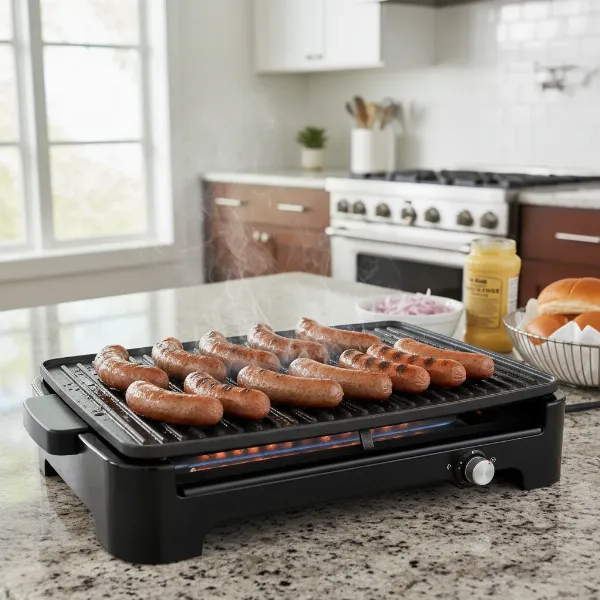 An electric indoor grill cooking sausages and hot dogs, showing distinct grill marks on the food with minimal smoke.
Cast Iron Skillet or Grill Pan
For those who appreciate a robust sear and rich flavor, a heavy-bottomed cast iron skillet or a specialized grill pan is an excellent indoor grilling tool. The high heat retention of cast iron allows for exceptional browning and crust development, while a grill pan’s raised ridges can create those coveted grill marks. This method offers great control over the cooking process and can infuse your sausages and hot dogs with a deep, savory flavor. However, it’s important to be mindful of potential smoke, especially if cooking fattier items or using high heat.
To grill with a cast iron skillet or grill pan, place it over medium-high heat on your stovetop until very hot. Lightly brush the pan with a high-smoke-point oil (like canola or grapeseed) or use a knob of butter. Add your sausages and hot dogs, ensuring not to overcrowd the pan, which can lead to steaming rather than searing. Sear them for 2-3 minutes per side, turning frequently with tongs, until they develop a beautiful brown crust and grill marks. Reduce the heat slightly if they are browning too quickly before the interior is fully cooked. Continue cooking until they are plump and cooked through.
Oven Baking and Broiling
The oven offers a hands-off and efficient way to cook multiple sausages and hot dogs simultaneously, making it ideal for feeding a crowd. While baking provides even heating and a pleasant snap to the casing, broiling delivers more direct, intense heat from above, perfect for achieving a crispy exterior and some browning, akin to grilling. It might not produce traditional grill marks unless you use a broiler with a grill grate, but it certainly can deliver a delicious, slightly crisped finish.
For oven baking, preheat your oven to 400-425°F (200-220°C). Arrange your sausages and hot dogs on a rimmed baking sheet, ideally lined with parchment paper or foil for easy cleanup. Bake for 10-15 minutes, turning them once or twice for even browning, until they are heated through and slightly curled or browned. For an extra crisp finish, switch to the broiler for the last few minutes, keeping a close eye on them to prevent burning.
Air Fryer Magic
The air fryer has quickly become a kitchen favorite for its ability to create crispy textures with minimal oil. It circulates hot air around the food, effectively “frying” it, which makes it a fantastic tool for getting hot dogs and sausages deliciously crisp on the outside while remaining juicy on the inside. This method is incredibly fast, efficient, and typically results in very little mess.
To cook in an air fryer, preheat it to 400°F (200°C). Place your sausages or hot dogs in a single layer in the air fryer basket, making sure not to overcrowd. Cook for 6-8 minutes, shaking the basket halfway through to ensure even cooking and crispness. Pre-cooked hot dogs will be ready quickly, while raw sausages might need a few extra minutes to reach their safe internal temperature. The result is a perfectly plump and crispy hot dog or sausage, often with a satisfying snap.
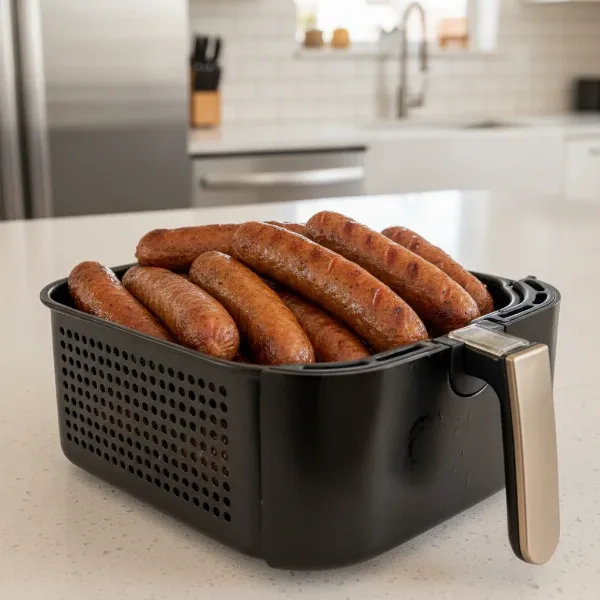 Crispy hot dogs and sausages cooking in an air fryer basket, showing even browning.
Combination Methods (Boil/Steam then Sear)
Sometimes, the best results come from combining methods. Many chefs recommend a two-step process: gently cooking sausages or hot dogs in liquid first, then finishing them with high, dry heat. This ensures the interior is perfectly cooked and juicy, while the second step provides the desired browning, char, and flavor development. This method is particularly effective for raw sausages, as it guarantees they are cooked through without drying out the exterior.
Start by poaching or steaming your sausages or hot dogs. Place them in a pot and cover halfway with water or beer. Bring to a gentle simmer, then reduce heat and cook for 5-10 minutes (for hot dogs) or 15-20 minutes (for raw sausages) until almost cooked through. Drain the liquid, then transfer them to a hot cast iron skillet, grill pan, or under the broiler. Sear for a few minutes, turning frequently, until they are beautifully browned and have a crispy casing. This approach locks in moisture while still giving you that desirable grilled finish.
Essential Tips for Indoor Grilling Success
Mastering indoor grilling for sausages and hot dogs involves more than just selecting a cooking method. A few key considerations can elevate your results from good to gourmet.
Choosing the Right Sausages and Hot Dogs
The type of sausage or hot dog you choose significantly impacts the cooking process and final outcome. Hot dogs are typically pre-cooked, so your main goal is to heat them through and achieve a desirable exterior. Sausages, however, often come raw and require cooking to a safe internal temperature (typically 160°F/71°C for pork and beef). Fattier sausages might produce more smoke, making ventilation crucial. Consider natural casing hot dogs for an extra “snap” that truly enhances the grilled experience.
Temperature Control is Key
Whether you’re using an electric grill, a skillet, or an oven, proper temperature control is paramount. For searing and browning, a medium-high heat is generally ideal. This allows the exterior to crisp and caramelize without burning before the interior is adequately cooked. For raw sausages, you might start with medium heat to cook them through gently, then increase the heat for a final sear. Always use a meat thermometer for raw sausages to ensure they reach the safe internal temperature.
Minimizing Smoke and Odor
Smoke is a common concern with indoor grilling, especially when cooking fattier meats. Effective ventilation is your best defense. Always turn on your range hood to its highest setting before you start cooking, and consider opening nearby windows or using a portable fan to create cross-ventilation. Using an electric smokeless grill with built-in fan technology and a drip tray can significantly reduce smoke. Trimming excess fat from sausages before cooking and avoiding overcrowding the cooking surface can also help minimize grease flare-ups and smoke production.
Achieving Authentic Grill Marks and Flavor
To get those perfect grill marks, ensure your cooking surface (electric grill or grill pan) is thoroughly preheated and very hot before adding the food. Don’t move the sausages or hot dogs too soon; allow them a few minutes of undisturbed contact with the hot surface to develop a deep sear. For an added layer of “grilled” flavor without actual smoke, a light dusting of smoked paprika or a tiny amount of liquid smoke (used sparingly) can mimic that outdoor barbecue essence.
Safety and Cleanup
Indoor grilling safety means never leaving cooking food unattended, especially when using high heat. For cleanup, address spills and residue while the appliance or pan is still warm but safe to touch. Most electric indoor grills have removable, non-stick plates that are dishwasher safe or easy to hand wash. For cast iron, scrape off any food residue while warm, then clean with hot water and a stiff brush, avoiding soap to preserve its seasoning. Always empty and clean drip trays after each use to prevent grease buildup and potential smoke.
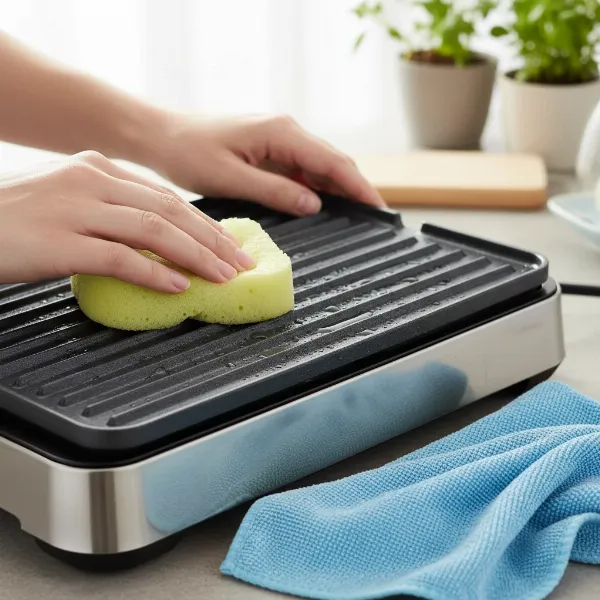 A person cleaning an electric indoor grill after cooking, highlighting easy maintenance.
Comparison Table: Indoor Grilling Methods
Choosing the best indoor grilling method depends on your preferences for texture, flavor, convenience, and the amount of food you’re preparing. Here’s a quick comparison to help you decide:
| Method | Best For | Pros | Cons | Ideal For |
|---|---|---|---|---|
| Electric Indoor Grill | Grill marks, low smoke, quick meals | Easy to use, consistent heat, built-in drip trays, portable | May lack deep smoky flavor, limited capacity | Apartments, quick weeknight dinners, healthy cooking |
| Cast Iron Skillet/Grill Pan | Searing, rich flavor, crispy exterior | Excellent browning and crust, versatile, durable | Can generate more smoke, requires more attention | Flavor enthusiasts, small to medium batches, traditionalists |
| Oven (Bake/Broil) | Large batches, hands-off cooking | Great for crowds, even cooking, minimal effort | Less “grilled” aesthetic, no grill marks (baking), less direct char | Family gatherings, meal prep, effortless cooking |
| Air Fryer | Crispy texture, quick and easy | Fast cooking, remarkably crispy results, low oil, easy cleanup | Limited capacity, different texture than traditional grilling | Quick snacks, individual servings, minimal fuss |
| Boil/Steam then Sear | Juicy interior, crisp exterior | Ensures thorough cooking, retains moisture, prevents drying out | Two-step process, slightly more cleanup, takes longer | Plump, juicy sausages with a perfect snap |
Usage and Maintenance Tips for Longevity
To ensure your indoor grilling experience is always top-notch and your equipment lasts, proper usage and maintenance are crucial. Always remember to preheat your chosen appliance thoroughly; this is vital for effective searing and preventing sticking. Avoid overcrowding your cooking surface, as this lowers the temperature and can lead to steaming rather than browning. While some sources suggest piercing sausages to prevent bursting, for most pre-cooked hot dogs and quality raw sausages, it’s often unnecessary and can cause loss of flavorful juices. If you are concerned about bursting, cooking over slightly lower, more consistent heat is a better approach.
Regular cleaning is also key. For electric grills, refer to your model’s instructions; many feature detachable, dishwasher-safe plates. For cast iron, maintain its seasoning by cleaning with hot water and a stiff brush, avoiding harsh soaps. Always wipe down exterior surfaces and regularly empty and clean any drip trays to prevent grease buildup.
“Indoor grilling opens up a world of possibilities, allowing you to enjoy your favorite grilled flavors year-round. The secret to success lies in understanding your equipment and managing heat effectively.” – Chef Maria Rodriguez, Culinary Instructor & Grill Expert
Conclusion
You don’t need a sprawling backyard or perfect weather to savor the delicious taste of grilled sausages and hot dogs. With a variety of indoor methods—from electric grills and cast iron pans to ovens and air fryers—you can achieve fantastic results right in your kitchen. By understanding the unique benefits of each technique and applying essential tips for temperature control, smoke management, and proper cleanup, you’ll be well on your way to enjoying perfectly cooked, flavorful hot dogs and sausages whenever the craving strikes. Experiment with these methods to discover your favorite way to bring the joy of grilling indoors.
What’s your go-to indoor grilling method for hot dogs and sausages?
Frequently Asked Questions
How do you get grill marks indoors?
Achieving grill marks indoors is best done with an electric indoor grill or a cast iron grill pan. Ensure the cooking surface is preheated to a very high temperature. Place the sausages or hot dogs on the hot surface without moving them for a few minutes to allow the marks to develop, then rotate or flip.
Can you cook raw sausages on an indoor grill?
Yes, you can cook raw sausages on an indoor grill. The key is to ensure they reach a safe internal temperature of 160°F (71°C) without burning the exterior. Start with medium heat to cook them through, then increase to medium-high for searing and browning. Always use a meat thermometer to check for doneness.
How to prevent hot dogs from drying out indoors?
To prevent hot dogs from drying out indoors, avoid overcooking them with excessively high heat for too long. Consider combination methods like boiling or steaming them briefly before a quick sear. Using a lid on an electric grill or finishing them in an oven after an initial sear can also help retain moisture.
Is it healthy to grill hot dogs indoors?
Indoor grilling can be a healthy cooking method as it often requires less added fat than frying and can render some fat from the meat. The main health concern, potential smoke, can be mitigated with good ventilation like a range hood, open windows, or a smokeless indoor grill.