Electric grills offer a convenient and healthy way to enjoy perfectly cooked meat, whether you’re searing steaks indoors or grilling chicken on a balcony. While their ease of use is undeniable, achieving that rich, deep flavor often associated with traditional grilling can sometimes be a challenge. This is where the magic of marinating comes in, transforming everyday cuts into succulent, flavorful masterpieces. Learning how to properly marinate meat for your electric grill is a game-changer, enhancing tenderness, locking in moisture, and infusing every bite with delicious taste. It’s an essential technique for any home chef looking to elevate their electric grilling experience.
The Art of Marinating for Electric Grills
Marinating is a culinary technique that involves soaking food, typically meat, in a seasoned liquid before cooking. For electric grills, where direct flame is absent and smoke flavor is not naturally imparted, marinades play an even more crucial role in developing complex tastes and achieving that desirable tender texture. This process isn’t just about adding flavor; it’s a strategic step to optimize your grilling results.
The primary benefits of marinating meat for electric grilling include enhanced flavor penetration, which gives your food a depth that simply seasoning the surface cannot achieve. Marinades also work to tenderize tougher cuts of meat by breaking down muscle fibers, resulting in a more pleasant eating experience. Furthermore, they contribute to retaining moisture during the cooking process, preventing meat from drying out on the grill plates and ensuring juicy, succulent results every time.
Essential Components of a Perfect Marinade
Crafting an effective marinade involves balancing several key components, each contributing to flavor, tenderness, and moisture. Understanding these elements will empower you to create your own delicious combinations tailored to your preferences and the type of meat you’re grilling.
Acids for Tenderness
|
Our Picks for the Best electric grill in 2026
As an Amazon Associate I earn from qualifying purchases.
|
||
| Num | Product | Action |
|---|---|---|
| 1 | Chefman XL Electric Griddle with Removable Temperature Control, Immersible Flat Top Grill, Burger, Eggs, Pancake Griddle, Nonstick Extra Large Cooking Surface, Slide Out Drip Tray, 10 x 20 Inch |

|
| 2 | Chefman Smokeless Indoor Electric Grill, Extra Large Grilling Surface, Nonstick Table Top Grill for Indoor Grilling and BBQ with Adjustable Temperature Control, Drip Tray, Dishwasher-Safe Parts |
|
| 3 | Artestia 1800W Electric Outdoor Grills with Lid Indoor Smokeless Grill for Balcony with Temperature Control Portable Removable Stand Grill for Cooking, BBQ Party, Family |
|
| 4 | Electric Grill, Techwood Indoor/Outdoor Electric BBQ Grill, 1600W Portable Removable Stand Grill with Adjustable Heat & Drip Tray, Double Layer Design for Party, Patio & Backyard (Black) |
|
| 5 | Chefman Electric Smokeless Indoor Grill w/ Non-Stick Cooking Surface & Adjustable Temperature Knob from Warm to Sear for Customized BBQing, Dishwasher Safe Removable Water Tray, Black |
|
| 6 | Electric Grill, Techwood Indoor/Outdoor Electric BBQ Grill, 1600W Portable Removable Stand Grill with Adjustable Heat & Drip Tray, Double Layer Design for Party, Patio & Backyard (Blue) |
|
| 7 | Ninja DG551 Foodi Smart XL 6-in-1 Indoor Grill with Air Fry, Roast, Bake, Broil, & Dehydrate, Foodi Smart Thermometer, 2nd Generation, Black/Silver |
|
| 8 | Hamilton Beach Electric Indoor Searing Grill with Viewing Window & Adjustable Temperature Control to 450F, 118 sq. in. Surface Serves 6, PFAS-Free Removable Nonstick Grate, Stainless Steel |
|
| 9 | Ninja Griddle and Indoor Grill, 14’’, Electric Grill, For Steak, Burgers, Salmon, Veggies, and More, Pancake Griddle, Nonstick, Dishwasher Safe, 500F, Even Cooking, Silver, GR101 |
|
| 10 | Electric Grill, CUSIMAX Electric Indoor/Outdoor Grill, 1600W Portable BBQ with Lid for Indoor & Outdoor Use, Adjustable Heat, Removable Stand Grill for Cookouts, BBQ Gatherings, Small Spaces |
|
Acids are the tenderizing agents in a marinade. Ingredients like lemon juice, lime juice, vinegar (red wine, balsamic, apple cider), and even yogurt contain acids that help break down the connective tissues in meat. This chemical process results in a more tender texture, making tougher cuts more palatable. However, it’s crucial to use acids in moderation and control marinating times, as too much acid can “cook” the meat (like ceviche) or make it mushy.
Oils for Moisture and Heat Transfer
Oils, such as olive oil, vegetable oil, or canola oil, serve multiple purposes in a marinade. They help distribute fat-soluble flavors throughout the meat and lock in moisture, preventing it from drying out on the grill. Additionally, oil can contribute to a better sear and prevent sticking on your electric grill plates, making cleanup easier. Choose a neutral-flavored oil or one that complements your other ingredients.
Flavorings: Herbs, Spices, and Aromatics
This is where the magic happens – the flavorings are what truly define your marinade. Fresh or dried herbs (rosemary, thyme, oregano, cilantro), ground spices (paprika, cumin, chili powder), garlic, onions, ginger, and even sauces like soy sauce, Worcestershire, or hot sauce, all infuse the meat with distinct tastes. Don’t be afraid to experiment with different combinations to find your favorites. A touch of sweetness from honey, brown sugar, or maple syrup can also balance flavors and aid in caramelization, but use sparingly to avoid burning on the grill.
Choosing the Right Meat and Marinade Pairing
The best marinade depends heavily on the type of meat you’re preparing. Different meats respond differently to various ingredients and marinating times. Matching your marinade to your meat is key for optimal flavor and texture.
Poultry Perfection
Chicken and turkey are incredibly versatile and absorb flavors beautifully. Citrus-based marinades with lemon or lime juice, fresh herbs like rosemary and thyme, garlic, and a good olive oil work wonderfully for a bright, fresh taste. For an Asian-inspired twist, try soy sauce, ginger, garlic, and a touch of sesame oil. Since poultry is relatively tender, a few hours of marinating is usually sufficient to impart flavor without over-tenderizing.
Robust Beef Marinades
Beef, especially tougher cuts like flank steak or skirt steak, benefits greatly from marinating. More robust marinades featuring ingredients like soy sauce, Worcestershire sauce, balsamic vinegar, garlic, and black pepper are excellent choices. These ingredients not only add deep flavor but also help tenderize the meat. For leaner cuts, even a simple mixture of olive oil, salt, pepper, and herbs can enhance the natural beefy taste.
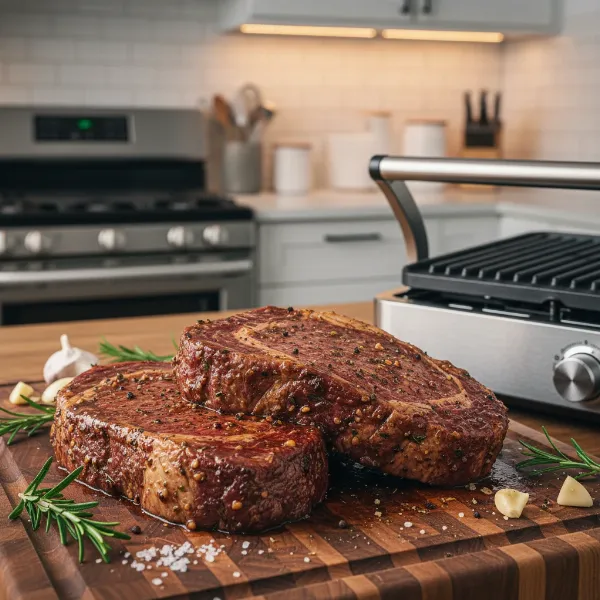 Marinated beef steaks resting before being placed on a sleek electric grill for a flavorful indoor grilling experience.
Pork’s Versatility
Pork pairs well with a variety of marinades, from savory to slightly sweet. Apple cider vinegar, brown sugar, soy sauce, garlic, and a hint of mustard create a fantastic balance for pork chops or tenderloin. For a Mediterranean flair, consider lemon, oregano, garlic, and olive oil. Pork tenderloin, being a leaner cut, benefits from marinades that add moisture and prevent drying out.
Delicate Seafood Enhancements
Seafood, including fish fillets and shrimp, requires a delicate touch. Due to its tender nature, seafood only needs a short marinating time, typically 15-30 minutes, to avoid “cooking” the proteins with acids. Lemon juice, fresh dill, garlic, olive oil, and a pinch of salt and pepper are perfect for enhancing the natural flavors of fish. For shrimp, a quick marinade of lime juice, cilantro, garlic, and a touch of chili can add a zesty kick.
How Long to Marinate: A Safety and Flavor Guide
The duration of marination is critical for both food safety and achieving the desired flavor and texture. Over-marinating, especially with acidic ingredients, can ruin the meat’s texture, while under-marinating won’t impart enough flavor.
| Meat Type | Recommended Marinating Time (Refrigerator) | Key Considerations |
|---|---|---|
| Seafood/Fish | 15-30 minutes | Very delicate; acids will “cook” quickly. |
| Shrimp | 15-30 minutes | Absorbs flavors fast; can become mushy if over-marinated. |
| Chicken/Poultry | 30 minutes – 2 hours (up to 6 hours for thicker cuts) | Generally safe for longer; aim for flavor, not just tenderness. |
| Pork Chops/Tenderloin | 2-4 hours | Can go up to 8 hours for deeper flavor. |
| Beef Steaks (tender cuts) | 2-6 hours | Balances flavor absorption with tenderness. |
| Tougher Beef Cuts (flank, skirt) | 6-12 hours (up to 24 hours) | Benefits most from longer marination for tenderizing. |
Important Safety Tips:
- Always Marinate in the Refrigerator: Never marinate meat at room temperature, as this can lead to bacterial growth.
- Use Non-Reactive Containers: Glass, ceramic, or food-grade plastic bags are ideal. Avoid metal containers, which can react with acidic marinades and impart an off-flavor.
- Never Reuse Raw Marinade: If you want to use some of the marinade as a sauce, separate a portion before it touches raw meat and bring it to a rolling boil for at least 5 minutes to ensure it’s safe to consume. Discard any marinade that has come into contact with raw meat.
Step-by-Step Marinating Process for Optimal Results
Achieving perfectly marinated meat for your electric grill is simple when you follow a few clear steps. This process ensures maximum flavor absorption and a safe, delicious meal.
- Prepare Your Marinade: Combine all your chosen marinade ingredients in a bowl. Whisk them well to ensure everything is thoroughly mixed. Taste a tiny bit (before adding to raw meat) to adjust seasonings if necessary.
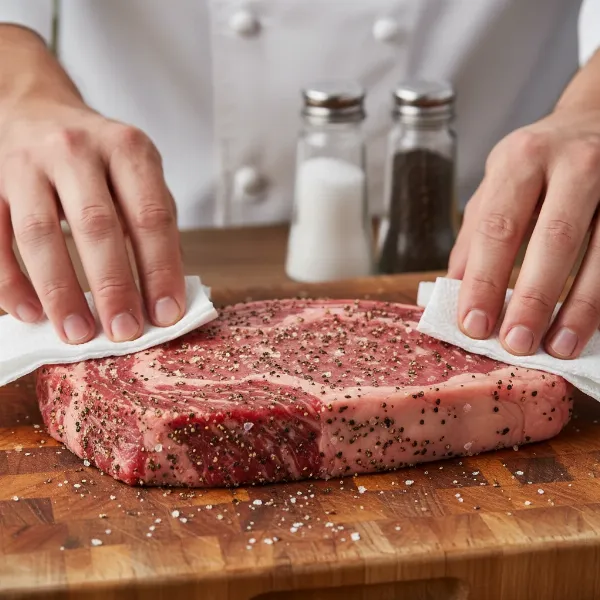
- Prepare the Meat: Pat the meat dry with paper towels. This removes excess surface moisture, which allows the marinade to adhere better and penetrate more effectively. For larger cuts, you can lightly score the surface with a knife to help the marinade seep in.
- Combine Meat and Marinade: Place the meat into your chosen non-reactive container or a resealable plastic bag. Pour the marinade over the meat, ensuring all surfaces are well coated. If using a bag, squeeze out as much air as possible before sealing.
- Refrigerate: Place the container or bag in the refrigerator for the recommended marinating time based on the type of meat (refer to the table above). Flip the meat occasionally or massage the bag to ensure even distribution of the marinade.
- Pre-Grilling Prep: Before grilling, remove the meat from the refrigerator 15-30 minutes prior to cooking (for thicker cuts, up to an hour) to allow it to come closer to room temperature. This promotes more even cooking. Crucially, remove the meat from the marinade and pat it thoroughly dry with paper towels. Excess moisture will steam the meat instead of searing it, preventing a good crust from forming on your electric grill.
“A common mistake with electric grilling is not patting marinated meat dry. That moisture will prevent a beautiful sear, robbing you of flavor and texture. Always pat, pat, pat!” – Chef Anna Lee, Culinary Instructor specializing in indoor cooking.
Electric Grilling Tips for Marinated Meats
Once your meat is perfectly marinated, the final step is to grill it effectively on your electric grill. Electric grills, while convenient, have their own nuances that, when understood, can yield exceptional results with marinated foods.
- Preheat Thoroughly: Always preheat your electric grill to the desired temperature before placing any marinated meat on it. A properly preheated grill ensures immediate searing, locking in juices and creating those appealing grill marks.
- Control Temperature: Most electric grills offer adjustable temperature settings. For marinated meats, a medium-high to high heat is often ideal for searing, followed by a slightly lower temperature if longer cooking is required to cook through without burning the exterior.
- Avoid Overcrowding: Place meat on the grill in a single layer, ensuring there’s space between pieces. Overcrowding drops the grill’s temperature, leading to steaming instead of grilling, and preventing that delicious crust from forming on your marinated cuts.
- Monitor and Turn: Cook marinated meat according to recommended times, turning only once or twice to allow for even cooking and good grill marks. Use a meat thermometer to check for doneness, ensuring it reaches a safe internal temperature.
- Rest the Meat: Once cooked, transfer the marinated and grilled meat to a clean plate or cutting board and let it rest for 5-10 minutes (longer for larger cuts). This allows the juices to redistribute throughout the meat, resulting in a more tender and flavorful outcome.
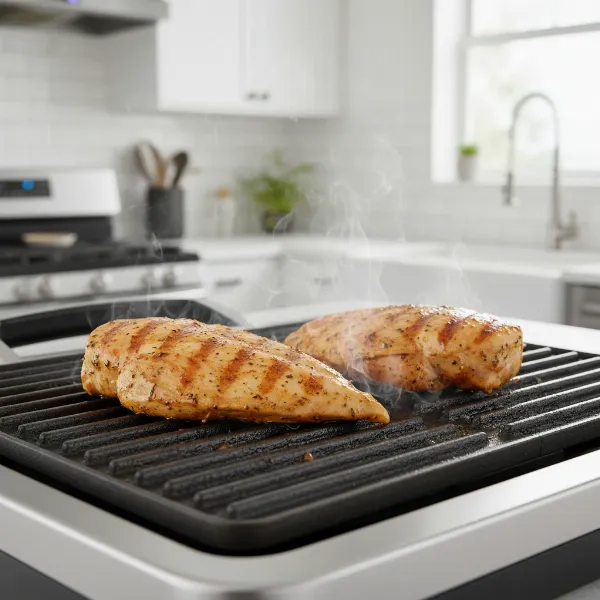 Sizzling marinated chicken breasts cooking on a non-stick electric grill with visible grill marks and steam.
Common Marinating Mistakes to Avoid
Even with the best intentions, some common pitfalls can detract from your marinated meat’s potential. Being aware of these mistakes can help you achieve consistently great results.
- Over-Marinating with Acid: While acids tenderize, too much acid or too long of an exposure can break down meat fibers excessively, resulting in a mushy or mealy texture. Stick to recommended marinating times, especially for delicate meats.
- Not Patting Meat Dry: As mentioned, leaving excess moisture on marinated meat will cause it to steam on the grill instead of searing. This prevents the Maillard reaction (browning) that creates rich, savory flavors and a desirable crust.
- Using Too Much Sugar: Sugar in a marinade can contribute to caramelization and a nice glaze. However, high sugar content can burn quickly on an electric grill, especially at higher temperatures, leading to a bitter, charred exterior before the inside is cooked.
- Reusing Raw Marinade as a Sauce: This is a significant food safety risk. Marinade that has touched raw meat contains bacteria and should never be consumed without being brought to a full, rolling boil for at least 5 minutes to kill any pathogens.
- Marinating at Room Temperature: Always keep marinating meat refrigerated to prevent bacterial growth and ensure food safety.
Conclusion
Marinating meat for your electric grill is a simple yet incredibly effective way to infuse your dishes with exceptional flavor, tenderness, and juiciness. By understanding the essential components of a marinade – acids, oils, and flavorings – and applying best practices for marinating times and grilling techniques, you can transform ordinary meals into extraordinary culinary experiences. Don’t be afraid to experiment with different combinations and discover your favorite marinade recipes. With these tips, your electric grill will become your go-to tool for creating mouthwatering, restaurant-quality dishes right in your own kitchen. What culinary creations will you marinate and grill next?
Frequently Asked Questions
Can I marinate frozen meat directly?
No, it is best to completely thaw frozen meat before marinating. Marinating frozen meat prevents proper flavor absorption and can lead to uneven cooking, as the marinade won’t penetrate deeply into frozen sections. Thaw in the refrigerator first.
How do I store leftover marinated meat if I don’t grill it all?
Cooked marinated meat can be stored in an airtight container in the refrigerator for 3-4 days. Uncooked meat that has been marinated should ideally be cooked within the recommended marinating time frame for safety and quality. Do not refreeze raw marinated meat.
Can I use a dry rub instead of a liquid marinade for electric grilling?
Yes, dry rubs are an excellent alternative to liquid marinades for electric grilling. They also add a fantastic crust and flavor to meat. Apply the dry rub evenly and let the meat rest for at least 30 minutes (or longer, refrigerated) before grilling.