As an electric grill enthusiast, you understand that your grill grates are the unsung heroes of every delicious meal. For those with cast iron grates, maintaining them isn’t just about cleanliness; it’s about a crucial process called seasoning. This protective layer ensures optimal cooking, prevents rust, and enhances the flavor of your food. If you’ve ever wondered how to properly prepare and care for these vital components, you’re in the right place. This guide will walk you through the simple yet essential steps to season your cast iron electric grill grates, ensuring they perform beautifully for years to come.
Understanding Cast Iron Electric Grill Grates
Cast iron grill grates are renowned for their exceptional heat retention and even heat distribution, making them a favorite among grilling aficionados. On an electric grill, these grates provide a robust cooking surface that mimics the searing capabilities of traditional grills, despite lacking an open flame. The inherent porosity of cast iron means it needs a protective layer to prevent oxidation (rust) and create a naturally non-stick surface. This protective layer is what we refer to as “seasoning.” It’s essentially a polymerized layer of oil that bonds to the metal, filling its microscopic pores and creating a smooth, durable finish. This process is fundamental to getting the most out of your electric grill.
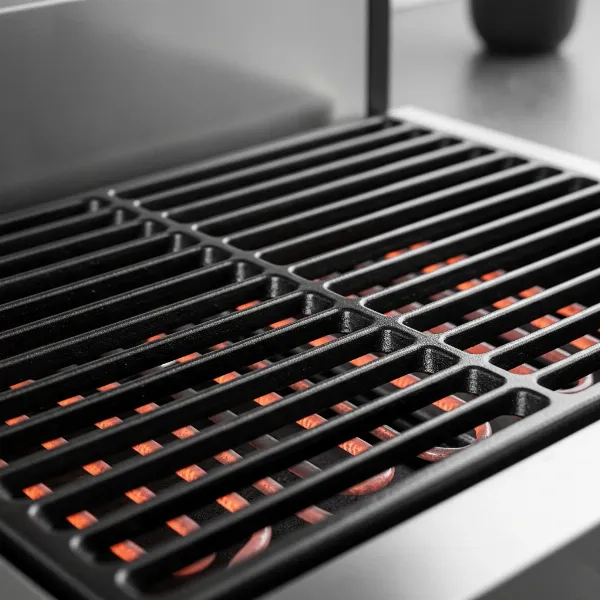 Close-up of shiny, black, well-seasoned cast iron grates on an electric grill
Why Seasoning Your Cast Iron Electric Grill Grates Matters
Seasoning your cast iron electric grill grates isn’t merely an optional step; it’s a vital practice that significantly impacts your grilling experience and the longevity of your equipment. Without proper seasoning, cast iron is susceptible to various issues that can detract from your culinary endeavors.
The primary benefit of seasoning is its ability to prevent rust and corrosion. Cast iron, when exposed to moisture and air, will quickly oxidize. The seasoned layer acts as a barrier, shielding the metal from these corrosive elements. Beyond protection, seasoning creates a natural non-stick surface. This means your food is less likely to cling to the grates, leading to easier flipping, perfectly seared results, and a much simpler cleanup. A well-seasoned grate also subtly enhances food flavor, contributing a nuanced depth that raw cast iron cannot. Over time, the accumulated layers of seasoning impart a distinctive character to your grilled dishes. Ultimately, proper seasoning extends the lifespan of your grates, transforming them from a fragile, rust-prone surface into a robust, durable cooking tool that can be passed down through generations of grilling enthusiasts.
Essential Tools and Materials for Seasoning
Before you begin the seasoning process, gathering the right tools and materials will ensure a smooth and effective experience. Having everything on hand makes the task straightforward and helps you achieve the best results for your cast iron electric grill grates.
The most crucial material is your choice of high-smoke point oils. These oils can withstand the high temperatures required for polymerization without breaking down or burning excessively. Excellent options include:
- Canola oil
- Vegetable oil
- Peanut oil
- Flaxseed oil (often recommended for its strong polymerization, though it can be more prone to flaking if applied too thickly)
- Shortening (like Crisco)
- You can also use bacon grease or a convenient Pam-style cooking spray.
In addition to oil, you’ll need clean cloths or paper towels for applying the oil and wiping off any excess. A stiff grill brush might be useful for initial cleaning, though a soft cloth is better for oil application. Finally, always have heat-resistant gloves on hand, especially when handling warm grates or working around the hot grill. Safety is paramount when dealing with heated cooking surfaces.
Step-by-Step Guide: How to Season Your Cast Iron Electric Grill Grates
Properly seasoning your cast iron electric grill grates is a straightforward process that lays the foundation for excellent grilling and long-lasting equipment. Follow these steps carefully to build a durable, non-stick layer.
Step 1: Initial Cleaning (for new grates)
If you’re seasoning new cast iron grates, they often come with a factory protective coating to prevent rust during shipping. It’s essential to remove this. Start by washing the grates thoroughly with warm, soapy water and a stiff brush or sponge. Rinse them completely to remove all soap residue. After washing, perform a “burn-off” on your electric grill: heat the grill to its highest setting (around 500-550°F) for at least an hour. This intense heat will help burn off any remaining factory oils or coatings.
Step 2: Thorough Cleaning (for used grates)
For grates that have been used, ensure they are as clean as possible before re-seasoning. Scrape off any food debris with a grill brush. If there’s stubborn grime, a gentle wash with warm water and a mild soap can be used, but avoid harsh detergents or abrasive scrubbers that can strip existing seasoning. The goal is to remove food particles, not the seasoned layer itself.
Step 3: Drying the Grates
This step is critically important. Cast iron and water are not friends without a protective seasoning. After cleaning, thoroughly dry your grates. Use a clean towel to remove as much moisture as possible, then place them on the electric grill and turn it on low heat for 5-10 minutes. This will evaporate any residual moisture, preventing rust from forming almost immediately. Ensure they are bone dry before moving on.
Step 4: Applying a Thin Oil Coat
Once the grates are completely dry (and cool enough to handle), it’s time to apply the oil. Using a clean cloth or paper towel, apply a very thin, even layer of your chosen high-smoke point oil to all surfaces of the cast iron grates—top, bottom, and sides. The key here is “thin.” You want just enough to lightly coat the surface, not to create a visible layer of oil. Excess oil can become sticky, uneven, or even peel off. Wipe off any pooling oil with a fresh paper towel.
Step 5: Heating and Curing
Place the thinly oiled grates back onto your electric grill. Close the lid and heat the grill to a temperature between 350°F and 450°F. Allow the grates to heat for 30 to 60 minutes. During this time, the oil will polymerize, bonding to the cast iron surface and forming a durable, non-stick layer. You might observe some smoking; this is normal and indicates the oil is curing. Ensure your grilling area is well-ventilated.
Step 6: Repeat for Optimal Results
After the heating cycle, turn off your electric grill and let the grates cool down completely. Once they are cool, repeat the oil application and heating process (Steps 4 and 5) at least 2-3 more times. Multiple thin layers of seasoning are far more effective and durable than one thick layer. This repetitive process builds up a robust, long-lasting seasoned surface that will protect your grates and provide superior grilling performance.
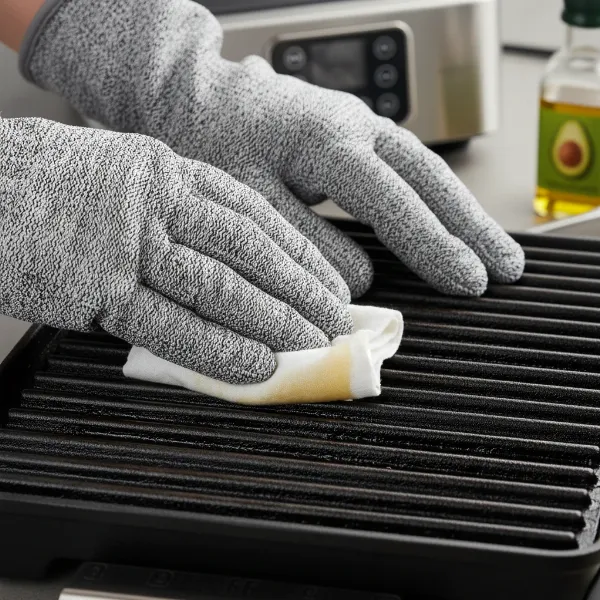 Hands using a cloth to apply a thin layer of cooking oil to cast iron grill grates
Maintaining Your Seasoned Electric Grill Grates
A well-seasoned cast iron electric grill grate is a joy to cook with, but ongoing maintenance is essential to preserve its non-stick properties and prevent rust. Think of seasoning as a living surface that benefits from regular care.
After each use, once the grates have cooled slightly but are still warm, scrape off any food residue with a grill brush or spatula. Avoid using soap after the initial cleaning, as it can strip away the seasoning. For stubborn spots, a gentle scrub with hot water and a non-abrasive sponge is usually sufficient. Thoroughly dry the grates immediately after cleaning to prevent rust.
“Consistent care for your cast iron grates isn’t just about cleaning; it’s about nurturing the seasoning. A quick oiling after each clean can make all the difference.” – Chef Elena Rodriguez, Culinary Instructor & Electric Grill Expert
Re-seasoning frequency depends on how often you use your electric grill and what you cook. For regular users, a light re-seasoning every few months (or whenever food starts to stick more than usual) is a good practice. Simply repeat Steps 4-6 from the seasoning guide. When storing your grates, ensure they are completely dry and, if possible, lightly oiled. Store them in a dry environment to further guard against moisture and rust.
Conclusion
Seasoning your cast iron electric grill grates is a fundamental practice that transforms your grilling experience. By following the steps outlined in this guide—from initial cleaning and proper oil application to the crucial heating and curing cycles—you’ll build a resilient, non-stick surface that enhances every meal. This protective layer not only prevents rust and extends the life of your grates but also contributes to the rich, distinctive flavors that make cast iron cooking so beloved. Embrace this simple maintenance routine, and your electric grill will reward you with years of delicious, hassle-free grilling. What culinary masterpieces will you create on your perfectly seasoned grates next?
Frequently Asked Questions
Can I use any cooking oil for seasoning my cast iron electric grill grates?
No, it’s best to use oils with a high smoke point, such as canola, vegetable, peanut, or flaxseed oil. These oils can withstand the high temperatures required for the polymerization process, which is essential for creating a durable, non-stick seasoned layer. Oils with low smoke points will simply burn off or become sticky.
How often should I re-season my electric grill grates?
The frequency depends on how often you use your grill and your cleaning habits. Generally, a light re-seasoning every 2-4 months is recommended. If you notice food sticking more often, or if the grates appear dull or dry, it’s a good sign they need a fresh coat of seasoning.
What if my cast iron grates start to rust?
If rust appears, don’t worry—it’s usually fixable. Scrape off as much rust as possible with a wire brush or steel wool. Then, wash the grates thoroughly with warm, soapy water to remove rust particles and dry them completely. Once clean and dry, proceed with the full seasoning process, repeating the oiling and heating steps several times to rebuild a strong protective layer.
Can I season cast iron electric grill grates in the oven?
Yes, if your grates are removable and fit in your oven, you can season them there. Apply a thin layer of oil as usual, then place them in a preheated oven at 350-450°F for about an hour. Ensure there’s a baking sheet underneath to catch any drips. Repeat the process of oiling and heating multiple times for best results.