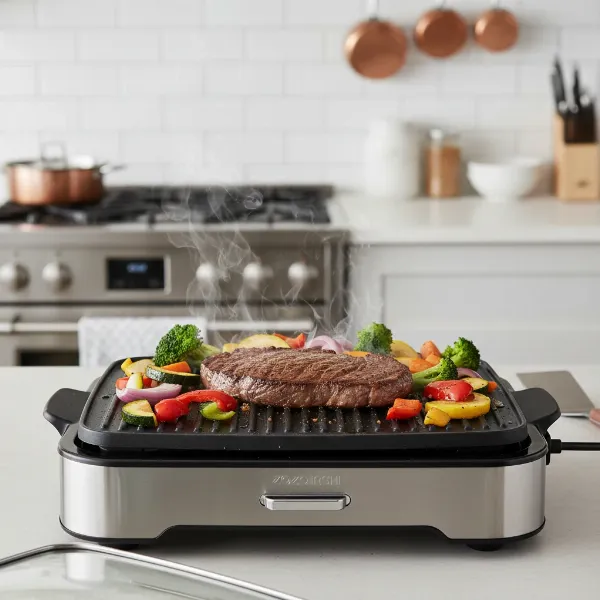
As the grilling season winds down, or perhaps you’re simply looking to put your indoor electric grill away for a while, the question of proper storage inevitably arises. While electric grills offer incredible convenience and consistent results, their longevity and peak performance depend significantly on how they are stored when not in use. Neglecting this crucial step can lead to premature wear, rust, mold, and even damage that shortens your appliance’s lifespan. This comprehensive guide will walk you through every essential step to ensure your electric grill remains in excellent condition, ready for countless delicious meals whenever you are.
Understanding the Importance of Electric Grill Storage
Storing your electric grill correctly goes far beyond simply tucking it away in a corner. It’s an investment in your appliance’s future, ensuring it performs reliably for years to come. Proper storage prevents a host of potential issues, including rust, which can compromise both the grill’s appearance and functionality. It also wards off mold and mildew, especially in humid environments, which can be unhygienic and difficult to remove. Moreover, a well-stored grill is protected from dust, debris, and potential pest infestations, which can cause significant damage to electrical components or cooking surfaces. Unlike gas or charcoal grills, electric models have sensitive heating elements and electrical connections that require specific care to remain intact.
Pre-Storage Checklist: Preparing Your Electric Grill
Before your electric grill goes into hibernation, a thorough preparation process is essential. This multi-step approach ensures that every component is clean, protected, and ready for storage, safeguarding it against the elements and potential damage.
Safety First: Unplugging and Inspection
|
Our Picks for the Best electric grill in 2026
As an Amazon Associate I earn from qualifying purchases.
|
||
| Num | Product | Action |
|---|---|---|
| 1 | Chefman XL Electric Griddle with Removable Temperature Control, Immersible Flat Top Grill, Burger, Eggs, Pancake Griddle, Nonstick Extra Large Cooking Surface, Slide Out Drip Tray, 10 x 20 Inch |

|
| 2 | Electric Grill, Techwood Indoor/Outdoor Electric BBQ Grill, 1600W Portable Removable Stand Grill with Adjustable Heat & Drip Tray, Double Layer Design for Party, Patio & Backyard (Blue) |
|
| 3 | Hamilton Beach Electric Indoor Searing Grill with Viewing Window & Adjustable Temperature Control to 450F, 118 sq. in. Surface Serves 6, PFAS-Free Removable Nonstick Grate, Stainless Steel |
|
| 4 | Chefman Smokeless Indoor Electric Grill, Extra Large Grilling Surface, Nonstick Table Top Grill for Indoor Grilling and BBQ with Adjustable Temperature Control, Drip Tray, Dishwasher-Safe Parts |
|
| 5 | Electric Grill, CUSIMAX Electric Indoor/Outdoor Grill, 1600W Portable BBQ with Lid for Indoor & Outdoor Use, Adjustable Heat, Removable Stand Grill for Cookouts, BBQ Gatherings, Small Spaces |
|
| 6 | Ninja Griddle and Indoor Grill, 14’’, Electric Grill, For Steak, Burgers, Salmon, Veggies, and More, Pancake Griddle, Nonstick, Dishwasher Safe, 500F, Even Cooking, Silver, GR101 |
|
| 7 | Chefman Electric Smokeless Indoor Grill w/ Non-Stick Cooking Surface & Adjustable Temperature Knob from Warm to Sear for Customized BBQing, Dishwasher Safe Removable Water Tray, Black |
|
| 8 | Artestia 1800W Electric Outdoor Grills with Lid Indoor Smokeless Grill for Balcony with Temperature Control Portable Removable Stand Grill for Cooking, BBQ Party, Family |
|
| 9 | Electric Grill, Techwood Indoor/Outdoor Electric BBQ Grill, 1600W Portable Removable Stand Grill with Adjustable Heat & Drip Tray, Double Layer Design for Party, Patio & Backyard (Black) |
|
| 10 | Ninja DG551 Foodi Smart XL 6-in-1 Indoor Grill with Air Fry, Roast, Bake, Broil, & Dehydrate, Foodi Smart Thermometer, 2nd Generation, Black/Silver |
|
The very first and most critical step before any cleaning or storage preparations begin is to ensure your electric grill is completely disconnected from its power source. Unplugging the grill eliminates any risk of electrical shock or accidental activation during handling. Once unplugged, take a moment to carefully inspect all components. Check the power cord for any fraying or damage, examine the heating element for cracks, and look over the grill grates, drip tray, and housing for any signs of wear, loose screws, or broken parts. Addressing these issues now can prevent bigger problems down the line and ensures the grill is safe to use when you retrieve it.
The Deep Clean: Removing Residue and Grease
A clean grill is a happy grill, and this is especially true for storage. Any lingering food particles, grease, or marinades can attract pests, encourage mold growth, and harden over time, making future cleaning much more difficult. Start by allowing your grill to cool completely. If your model allows, you might preheat it briefly to burn off some stubborn residue, then turn it off and let it cool. Next, use a grill brush to scrape off any charred food from the grates. Remove the grates and drip tray, washing them thoroughly with warm, soapy water. For the interior and exterior surfaces, wipe them down with a damp cloth and a mild detergent, ensuring all grease and grime are removed. Rinse thoroughly, taking care not to get electrical components wet.
Thorough Drying: Preventing Mold and Rust
This step is arguably as important as cleaning. Any moisture left on your electric grill before storage can become a breeding ground for mold, mildew, and an accelerator for rust. After cleaning, allow all components to air dry completely. If you’re in a hurry or the environment is humid, use a clean, dry towel to meticulously wipe down every surface, inside and out. Pay special attention to crevices and seams where water might collect. The goal is to ensure the grill is bone dry before proceeding to the next steps or covering it.
Protecting Metal Surfaces: A Rust Prevention Layer
Even with thorough drying, prolonged storage can sometimes lead to rust on exposed metal parts, especially in fluctuating temperatures or humid conditions. To offer an extra layer of protection, consider applying a very thin coat of cooking oil, such as vegetable or olive oil, to the metal grill grates and any other non-electrical metal surfaces. Lightly dampen a paper towel or cloth with oil and wipe down these areas. This creates a barrier against moisture and helps prevent oxidation. Be sure to use a minimal amount, as too much can attract dust or become sticky.
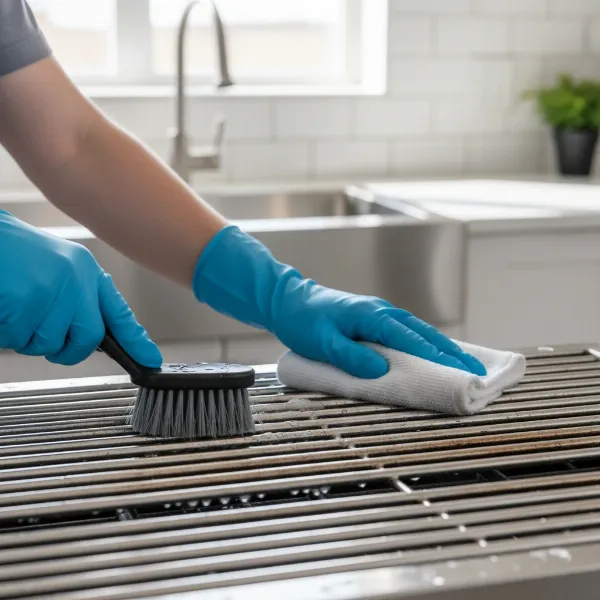 A person meticulously cleaning and drying an electric grill grate before storage to prevent rust and mold
Choosing the Right Storage Location
Where you store your electric grill significantly impacts its condition over time. The ideal location offers protection from extreme weather, pests, and environmental factors that can cause damage.
Ideal Indoor Storage Options
For optimal preservation, an indoor storage location is always preferred. A garage, shed, basement, or even a utility closet can provide an excellent environment for your electric grill. These spaces typically offer stable temperatures and protection from direct sunlight, rain, snow, and harsh winds. Storing your grill indoors shields it from the rapid temperature fluctuations that can cause materials to expand and contract, leading to wear and tear. It also acts as a robust barrier against pests like insects and rodents, which might otherwise find your grill an attractive nesting spot.
Outdoor Storage Considerations
If indoor storage isn’t an option, an outdoor location can work, but it requires more careful consideration. Placing your electric grill under an overhang, on a covered patio, or beneath a gazebo offers some protection from direct precipitation. However, it will still be exposed to humidity and ambient temperature changes. In regions with high humidity or salty air, some experts even suggest leaving the grill uncovered with regular wiping to prevent moisture or salt from getting trapped beneath a cover, which can accelerate rust. For most, a good quality grill cover is paramount for outdoor storage.
Climate Control and Long-Term Storage
For those who need to store their electric grill for very long periods, such as seasonal use only, or if you live in an area with extreme climate conditions, a climate-controlled storage unit can be a worthwhile investment. These units maintain consistent temperature and humidity levels, providing the ultimate protection against rust, mold, warping, and degradation of electrical components. While not necessary for everyone, it offers peace of mind for preserving your valuable appliance.
The Essential Electric Grill Cover
A high-quality grill cover is your electric grill’s first line of defense against the elements, dust, and minor impacts during storage.
Different types of covers are available, ranging from lightweight dust covers to heavy-duty, waterproof options. For outdoor storage, opt for a cover made from durable, weatherproof materials like polyester or vinyl, ensuring it’s both waterproof and breathable to prevent moisture buildup underneath. A good cover should fit snugly but not too tightly, allowing for some airflow. Before covering, always ensure the grill is completely dry to avoid trapping moisture, which can lead to mold or rust. Regularly inspect your grill cover for any tears, holes, or signs of wear, as even small imperfections can compromise its protective capabilities, allowing water or pests to enter. Replacing a worn-out cover is a small investment that can significantly extend your grill’s life.
> “A quality grill cover is like a protective shield for your electric grill. It’s a non-negotiable accessory if you want your appliance to last.” – John Smith, Grill Care Specialist
Top Tips for Seasonal and Long-Term Storage
Beyond the basic steps, a few additional tips can further enhance your electric grill’s storage and readiness for future use.
Even when stored, it’s a good idea to perform periodic checks, especially if storing for many months. Briefly uncover the grill to check for any signs of moisture, mold, or pest activity. For smaller, tabletop electric grills, consider elevating them slightly off the floor using sturdy blocks or a shelf. This can protect them from ground moisture, spills, and makes them less accessible to crawling pests. To deter pests from nesting, you might place a few cedar blocks or natural pest repellents near the grill (not inside it) in the storage area. Finally, before the next grilling season, give your electric grill a quick pre-season maintenance check and a light cleaning, even if it was stored perfectly, just to ensure everything is in top working order before your first cookout.
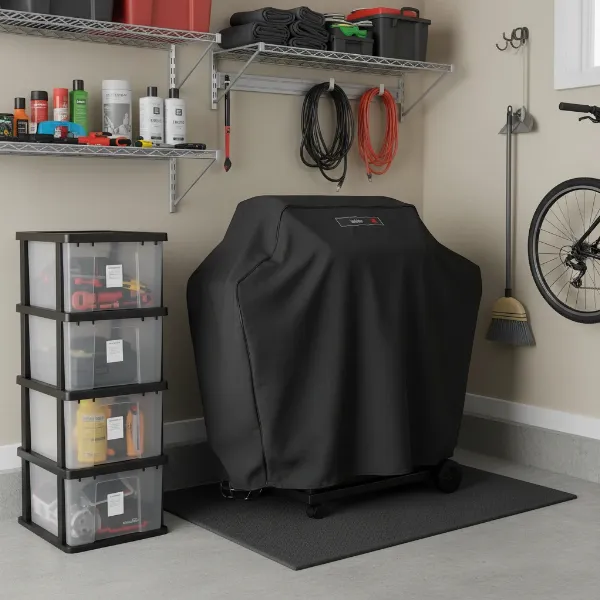 An electric grill securely stored indoors under a protective cover, emphasizing neatness and careful storage
Conclusion
Properly storing your electric grill is a straightforward process that yields significant rewards, primarily in extending the life and maintaining the performance of your beloved appliance. By following key steps—thoroughly cleaning and drying your grill, applying a protective layer to metal surfaces, choosing an appropriate storage location, and utilizing a high-quality cover—you safeguard your investment against common damage like rust, mold, and pest infestations. A little effort now means your electric grill will be in pristine condition and ready to deliver delicious meals season after season. So, invest a little time now for perfectly grilled meals later. What are your go-to grilling accessories for a perfect cookout?
Frequently Asked Questions
Can I store my electric grill outside year-round?
While some outdoor electric grills are designed for durability, year-round outdoor storage can drastically reduce their lifespan. It’s best to store them indoors or at least under a sturdy overhang with a high-quality, weatherproof cover to protect against constant exposure to extreme weather and temperature fluctuations.
How often should I clean my electric grill before storing it?
You should deep clean your electric grill every time you plan to store it for an extended period, such as at the end of the grilling season. For shorter storage, a thorough basic clean after each use is sufficient, but a deep clean is crucial before long-term storage to prevent residue buildup and pest attraction.
What if my electric grill gets wet during storage?
If your electric grill gets wet during storage, immediately unplug it (if it wasn’t already), thoroughly dry all components with a towel, and allow it to air dry completely in a well-ventilated area. Check for any signs of rust or electrical damage before its next use.
Do I need a special cover for an electric grill?
Yes, using a high-quality, durable, and weatherproof cover specifically designed for grills is highly recommended for electric grills, especially if storing outdoors. It protects against dust, moisture, UV rays, and physical damage, helping to extend the grill’s lifespan.
How can I prevent bugs from nesting in my stored grill?
To prevent bugs, thoroughly clean the grill of all food residue before storage, as food attracts pests. Ensure it’s completely dry, and consider placing natural repellents like cedar blocks or sachets of dried herbs (e.g., bay leaves) near the grill in the storage area. A tight-fitting grill cover also acts as a physical barrier.