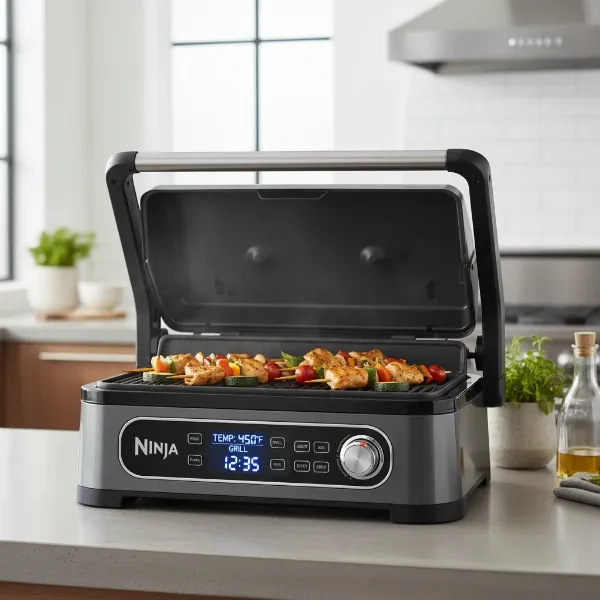
Are you seeking a grilling experience that offers intense heat, quick cooking, and perfectly seared results, all from the convenience of an electric appliance? Infrared electric grills have emerged as a game-changer, promising to elevate your indoor and outdoor cooking with advanced technology. But like any innovative appliance, they come with a unique set of advantages and disadvantages. This comprehensive guide will delve into the world of infrared electric grills, exploring how they work, their key benefits and drawbacks, and what you should consider before making a purchase, ensuring you select the ideal model for your culinary aspirations.
Understanding Infrared Electric Grills
An infrared electric grill represents a significant leap from traditional grilling methods, fundamentally changing how heat is transferred to your food. Unlike conventional grills that primarily rely on convection—heating the air around the food to cook it—infrared electric grills employ radiant heat. They use an electric element to heat a solid surface, such as ceramic, metal, or glass, which then emits infrared waves directly into the food. This direct energy transfer is similar to how the sun warms your skin or embers radiate heat from a fire, cooking food from the inside out and the outside in simultaneously.
The history of infrared grilling traces back to commercial kitchens, where intense, consistent heat was needed for professional searing. Over time, this technology was adapted for residential use, leading to the development of infrared grills powered by gas or electricity. Electric infrared grills, in particular, offer the advantage of indoor use (for models designed as such) and consistent power without the need for propane tanks or charcoal. They are distinguished by their ability to reach extremely high temperatures, often exceeding 700°F and sometimes even up to 1200°F, in just a few minutes, drastically reducing preheating and cooking times compared to conventional electric grills.
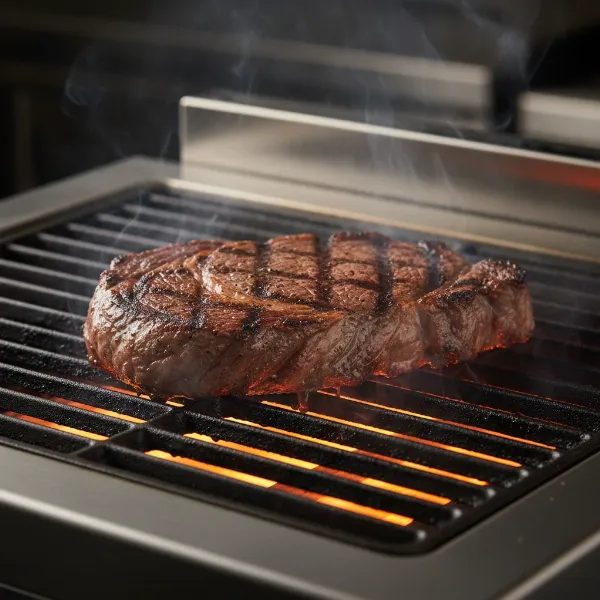 Close-up of an infrared electric grill intensely searing a thick steak, showing perfect grill marks and a vibrant, professional cooking environment.
Different types of infrared electric grills exist, varying in their heating element design and intended use. Some feature dedicated infrared burners for maximum searing power, while others might be hybrid models combining infrared technology with conventional electric heating elements, offering greater versatility. Indoor infrared electric grills are typically compact and smokeless, making them suitable for apartments or homes without outdoor grilling space. Outdoor versions, often larger, provide the raw power needed for patio grilling.
Advantages and Disadvantages of Infrared Electric Grills
Deciding if an infrared electric grill is right for you involves weighing its distinct benefits against its potential drawbacks. Understanding these aspects will help you determine if this advanced grilling technology aligns with your cooking style and expectations.
Advantages
Infrared electric grills offer several compelling benefits that set them apart from traditional counterparts:
- Superior Searing and Flavor Retention: The intense, direct radiant heat of an infrared grill creates an immediate sear on the food’s surface, locking in juices and natural flavors. This results in a crusty exterior and a tender, moist interior, especially noticeable with steaks and chops. Many users report that food cooked on an infrared grill retains significantly more moisture.
- Rapid Heating and Faster Cooking: Forget long preheating times. Infrared electric grills can reach searing temperatures in as little as 2-3 minutes. This rapid heat-up, combined with their ability to cook at much higher temperatures, translates to significantly shorter cooking times, making them incredibly efficient for busy schedules.
- Uniform Heat Distribution: Unlike conventional grills that can suffer from hot and cold spots due to circulating hot air, infrared elements provide incredibly even heat across the entire cooking surface. This consistency ensures your food cooks uniformly, preventing some parts from being undercooked while others are overdone.
- Reduced Flare-ups and Easier Cleanup: The high heat instantly vaporizes any drippings or grease that fall onto the infrared element. This eliminates flare-ups, which are a common nuisance and safety concern with traditional grills. This vaporization process also means less residue, making cleanup remarkably easy as food particles turn to ash and can be simply brushed away.
- Energy Efficiency: Despite their high heat output, infrared grills are often more energy-efficient because they cook food faster and require less time to reach the desired temperature. This can lead to lower energy consumption over time compared to conventional electric grills that need to maintain heat for longer periods.
|
Our Picks for the Best electric grill in 2026
As an Amazon Associate I earn from qualifying purchases.
|
||
| Num | Product | Action |
|---|---|---|
| 1 | Electric Grill, CUSIMAX Electric Indoor/Outdoor Grill, 1600W Portable BBQ with Lid for Indoor & Outdoor Use, Adjustable Heat, Removable Stand Grill for Cookouts, BBQ Gatherings, Small Spaces |

|
| 2 | Chefman Electric Smokeless Indoor Grill w/ Non-Stick Cooking Surface & Adjustable Temperature Knob from Warm to Sear for Customized BBQing, Dishwasher Safe Removable Water Tray, Black |
|
| 3 | Electric Grill, Techwood Indoor/Outdoor Electric BBQ Grill, 1600W Portable Removable Stand Grill with Adjustable Heat & Drip Tray, Double Layer Design for Party, Patio & Backyard (Black) |
|
| 4 | Chefman XL Electric Griddle with Removable Temperature Control, Immersible Flat Top Grill, Burger, Eggs, Pancake Griddle, Nonstick Extra Large Cooking Surface, Slide Out Drip Tray, 10 x 20 Inch |
|
| 5 | Artestia 1800W Electric Outdoor Grills with Lid Indoor Smokeless Grill for Balcony with Temperature Control Portable Removable Stand Grill for Cooking, BBQ Party, Family |
|
| 6 | Electric Grill, Techwood Indoor/Outdoor Electric BBQ Grill, 1600W Portable Removable Stand Grill with Adjustable Heat & Drip Tray, Double Layer Design for Party, Patio & Backyard (Blue) |
|
| 7 | Chefman Smokeless Indoor Electric Grill, Extra Large Grilling Surface, Nonstick Table Top Grill for Indoor Grilling and BBQ with Adjustable Temperature Control, Drip Tray, Dishwasher-Safe Parts |
|
| 8 | Hamilton Beach Electric Indoor Searing Grill with Viewing Window & Adjustable Temperature Control to 450F, 118 sq. in. Surface Serves 6, PFAS-Free Removable Nonstick Grate, Stainless Steel |
|
| 9 | Ninja Griddle and Indoor Grill, 14’’, Electric Grill, For Steak, Burgers, Salmon, Veggies, and More, Pancake Griddle, Nonstick, Dishwasher Safe, 500F, Even Cooking, Silver, GR101 |
|
| 10 | Ninja DG551 Foodi Smart XL 6-in-1 Indoor Grill with Air Fry, Roast, Bake, Broil, & Dehydrate, Foodi Smart Thermometer, 2nd Generation, Black/Silver |
|
Disadvantages
While highly beneficial, infrared electric grills also come with certain limitations:
- High Heat Intensity and Learning Curve: The primary advantage can also be a disadvantage. The extreme heat produced by infrared grills can quickly burn food if you’re not careful. Delicate items like fish or certain vegetables require vigilance and practice to prevent overcooking. There’s a definite learning curve to mastering the intense heat.
- Limited Versatility for Low-Temperature Cooking: Pure infrared grills excel at high-heat searing but are less suited for “low and slow” cooking methods, such as smoking or gentle roasting, which require precise control over lower temperatures. If versatility across a wide range of cooking styles is a priority, a hybrid model or a conventional grill might be more appropriate.
- Initial Cost Considerations: Historically, infrared grills have been more expensive than traditional electric grills. While prices have become more accessible as patents expire and competition increases, they can still represent a more significant upfront investment. It’s essential to consider your budget and intended use.
- Maintenance and Durability: While cleanup is generally easy, some older or more complex infrared systems might have delicate ceramic plates or other components that require careful handling and specific cleaning methods. Always check the manufacturer’s recommendations for maintenance to ensure longevity.
Factors to Consider When Buying an Infrared Electric Grill
Choosing the right infrared electric grill involves more than just looking at the price tag. Here are key factors to consider to ensure you make an informed decision:
Grill Type
Consider whether you need a dedicated infrared electric grill or a hybrid model.
- Standalone Infrared Electric Grills: These are designed purely for high-heat searing and are perfect if perfectly seared steaks and quick meals are your priority.
- Hybrid Electric-Infrared Grills: Some electric grills incorporate an infrared burner alongside conventional heating elements, offering the best of both worlds—intense searing and more versatile temperature control for various dishes.
- Indoor vs. Outdoor: Indoor models are usually compact, smokeless, and countertop-friendly. Outdoor electric infrared grills are typically larger, more robust, and designed to withstand the elements, often providing more power.
Size and Power (Wattage)
The size of the cooking surface should match your typical grilling needs. If you’re cooking for one or two, a compact model is sufficient. For larger families or entertaining, a grill with a more expansive cooking area will be necessary. Pay attention to the wattage for electric models; higher wattage generally means quicker heating and higher maximum temperatures, impacting performance. A typical electric grill can range from 1000W to 1800W or more.
Material and Construction
The quality of materials directly influences the grill’s durability and cooking performance.
- Grates: Look for heavy-duty stainless steel, cast iron, or ceramic-coated grates, which retain heat well and provide excellent searing. Non-stick coatings are convenient for cleanup but may not offer the same searing performance as bare metal.
- Body: Stainless steel or other robust, rust-resistant metals are ideal for outdoor units. For indoor grills, high-quality plastics and metals are common.
Key Features
Modern electric grills often come with a variety of features that enhance convenience and control:
- Adjustable Temperature Control: Precise temperature dials or digital controls are crucial for managing the intense heat of infrared.
- Grease Management System: Look for integrated drip trays or channels that effectively collect grease, preventing flare-ups and simplifying cleanup.
- Non-Stick Surfaces: While some argue against them for searing, quality non-stick surfaces can make cooking and cleaning much easier.
- Removable Parts: Grates and drip trays that are easily removable and dishwasher-safe are a huge plus for maintenance.
- Safety Features: Auto shut-off functions and cool-touch handles are important for safe operation.
Brand Reputation and Price
Research reputable brands known for quality and customer support in the electric grill market. While infrared technology can command a higher price, compare features and performance across different models to find the best value. Investing a little more upfront for a durable, high-performing grill from a trusted brand can save you money and frustration in the long run.
Comparison of Popular Infrared Electric Grill Models
When exploring the market for an infrared electric grill, you’ll encounter a range of options designed to meet various needs and budgets. While specific model recommendations require up-to-the-minute market analysis, understanding common specifications can guide your choice. Below is a conceptual table illustrating what to look for when comparing different models, helping you assess their suitability for your home.
| Feature | Entry-Level Model (Example) | Mid-Range Model (Example) | High-End Model (Example) |
|---|---|---|---|
| Brand | GrillMaster | SizzlePro | EliteGrill |
| Model Name | QuickSear 1000 | InfraChef 2500 | ProGourmet 5000 |
| Type | Indoor, Countertop | Indoor/Outdoor (Hybrid) | Outdoor, Standalone |
| Cooking Area | 100 sq. inches | 180 sq. inches | 300 sq. inches |
| Wattage | 1200W | 1500W (Infrared), 1000W (Conventional) | 1800W (Dedicated Infrared) |
| Max Temp. | 600°F | 750°F (Infrared), 450°F (Conventional) | 1000°F+ |
| Material | Non-stick coated aluminum grates, plastic body | Stainless steel grates, metal housing | Cast iron/ceramic grates, heavy-duty stainless steel |
| Features | Basic temp control, removable drip tray | Digital temp control, dual heating zones, integrated thermometer, easy-clean | Precision temp control, advanced grease management, smart app connectivity, professional-grade searing |
| Price Range | $80 – $150 | $200 – $400 | $500 – $1000+ |
| Best For | Small meals, quick searing, budget-conscious | Versatile home cooks, indoor/outdoor use | Steak connoisseurs, outdoor entertainers |
This table illustrates how different price points and intended uses dictate the features and capabilities of infrared electric grills. When you’re ready to buy, research current models from reputable brands like George Foreman (for indoor), Weber (for outdoor electric grills with infrared features), or specialized infrared grill manufacturers.
Tips for Using and Maintaining Your Infrared Electric Grill
To get the most out of your infrared electric grill and ensure its longevity, proper usage and maintenance are crucial.
Safe and Effective Use
- Preheat Properly: Always allow your grill to fully preheat for the recommended time (typically 2-5 minutes) to achieve the high temperatures necessary for searing.
- Adjust Cooking Times: Due to the intense heat, food cooks much faster. Start with shorter cooking times than you would on a conventional grill and monitor closely to avoid burning. Consider using a meat thermometer for perfect doneness.
- Master the Sear: For perfect searing, place food directly over the infrared element. For thicker cuts, you might sear initially and then move to a lower heat zone (if your grill has one) or reduce the temperature to finish cooking.
- Avoid Overcrowding: Cook in batches if necessary, ensuring proper air circulation and consistent heat distribution. Overcrowding can lower the grill’s temperature and result in uneven cooking.
- Ventilation: Even “smokeless” indoor grills can produce some smoke, especially with fatty meats. Ensure good ventilation, or use a range hood when grilling indoors.
“Infrared electric grills unlock a new level of efficiency and flavor, especially for meats. The secret is learning to harness that intense heat – a quick sear is key, not prolonged cooking.” – Chef Elena Rodriguez, Culinary Technology Expert
Cleaning and Storage
- Clean After Every Use: The easiest time to clean an infrared grill is when it’s still warm (but not scorching hot). The high heat will have turned most food particles into ash, which can be easily brushed off with a stiff-bristled grill brush.
- Wipe Down Surfaces: After brushing, wipe down the grates and interior surfaces with a damp cloth and mild soap. Ensure no soap residue is left behind.
- Empty Drip Tray: Regularly empty and clean the drip tray to prevent grease buildup and potential odors.
- Avoid Abrasives: Do not use abrasive cleaners or metal scouring pads, especially on non-stick or ceramic-coated surfaces, as these can damage the finish.
- Proper Storage: For outdoor models, use a grill cover to protect it from the elements. Store indoor models in a cool, dry place. Ensure the grill is completely cool and dry before covering or storing.
Common Issues and Troubleshooting
- Food Burning: If food is consistently burning, reduce cooking times, lower the temperature setting, or consider searing for a shorter duration before moving the food to a cooler zone or indirect heat.
- Uneven Cooking: Ensure your grill is preheated evenly. If issues persist, check the heating element for any visible damage or blockages.
- Not Heating Up: Check the power connection and ensure the outlet is functional. For outdoor units, verify that all gas lines (if hybrid) are properly connected and valves are open. Consult your user manual for specific troubleshooting steps.
Conclusion
Infrared electric grills offer a compelling grilling experience, combining the convenience of electricity with the power of radiant heat. Their ability to deliver rapid heating, superior searing, and incredibly juicy results makes them an excellent choice for anyone looking to elevate their cooking, particularly for steaks, chops, and other quick-cooking proteins. While the intense heat demands a slight learning curve and they may not be the most versatile for low-and-slow techniques, their advantages in speed, flavor, and ease of cleanup are undeniable. By considering the various types, sizes, features, and brands available, you can confidently select an infrared electric grill that perfectly fits your lifestyle and culinary aspirations. Ready to experience sizzling perfection?
Frequently Asked Questions
What makes infrared electric grills different from traditional electric grills?
Infrared electric grills use radiant heat to cook food directly, rather than heating the air around it like traditional electric grills. This direct heat transfer allows for much higher temperatures, faster cooking times, and superior searing, which locks in juices and enhances flavor.
Are infrared electric grills healthy to use?
Yes, infrared electric grills are considered healthy. Infrared radiation is a natural form of heat transfer, similar to what you feel from the sun or a campfire. The direct heat also helps to vaporize fat drippings, reducing flare-ups and the production of harmful compounds that can occur with charring.
Can I use an infrared electric grill indoors?
Many infrared electric grills are specifically designed for indoor use. These models are often labeled as “smokeless” and are compact enough for countertop placement. However, it’s always recommended to ensure good ventilation, such as using a range hood, especially when cooking fatty foods that might produce some smoke.