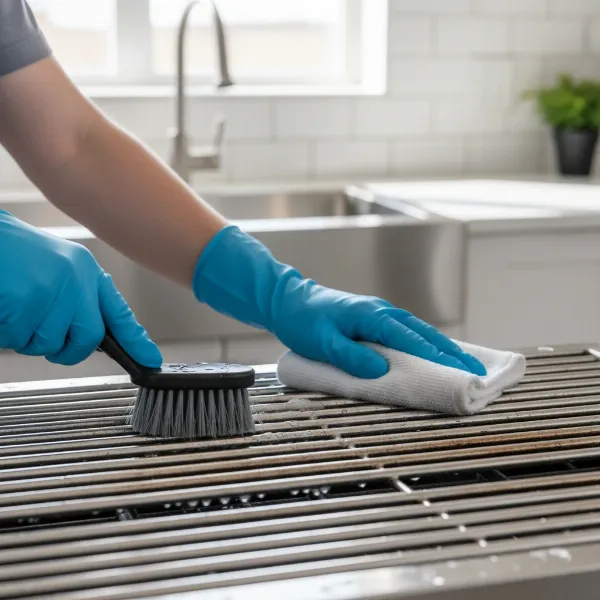
There’s nothing quite like the convenience of an electric grill for whipping up delicious meals, whether indoors or out. But the excitement can quickly turn to frustration when your trusted appliance refuses to heat. If you’ve ever stood by a cold grill, wondering what went wrong, you’re not alone. Many common issues can prevent an electric grill from reaching its optimal temperature. Understanding these problems and knowing how to safely diagnose and address them can save you both time and the expense of replacing a perfectly repairable unit. This guide will walk you through the essential troubleshooting steps to get your electric grill sizzling again.
Understanding Your Electric Grill’s Heating System
At its core, an electric grill operates on a simple principle: electricity flows through a heating element, converting electrical energy into heat. This process is regulated by a thermostat, which monitors the temperature and cycles the heating element on and off to maintain your desired setting. Power is supplied via a cord from a wall outlet, and internal wiring connects all these crucial components. When any part of this system fails or is interrupted, your electric grill won’t heat up as it should, leading to uncooked food and disappointment.
Initial Checks: The Power Source and Connection
Before delving into the internal components of your electric grill, always begin with the most straightforward checks. Often, the problem lies outside the grill itself, within the power supply.
Check the Outlet and Circuit Breaker
The first step is to ensure your electric grill is receiving power from the wall outlet. Plug another appliance, like a lamp or a phone charger, into the same outlet to verify it’s working. If the second appliance also fails to power on, the issue likely stems from your home’s electrical system. Check your electrical panel for a tripped circuit breaker and reset it if necessary. If your grill is connected to an outdoor outlet, it might be protected by a Ground Fault Circuit Interrupter (GFCI) outlet, which has “Test” and “Reset” buttons. Try pressing the “Reset” button.
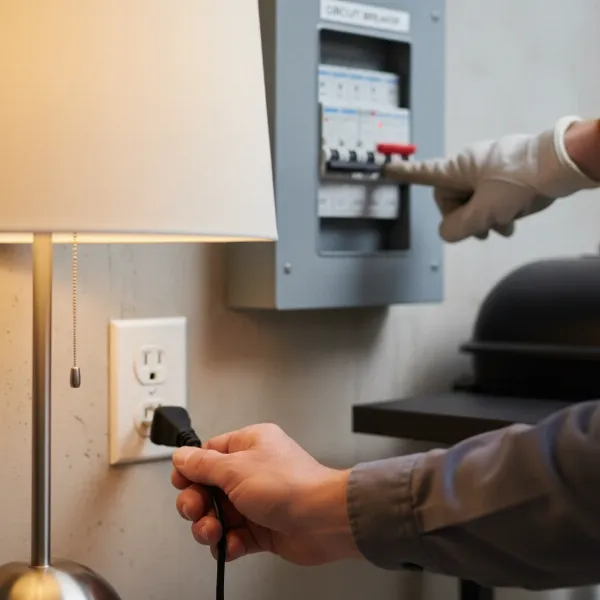 Hands checking an electrical outlet and a circuit breaker panel for power issues
Inspect the Power Cord
The power cord is the grill’s lifeline to electricity. Carefully examine the entire length of the cord for any visible signs of damage. Look for fraying, cuts, kinks, or exposed wires. A damaged cord is not only a common cause of power interruption but also a significant safety hazard. If you find any damage, the power cord must be replaced immediately by a compatible part from the manufacturer or a reputable supplier to prevent electrical hazards.
GFCI Reset
Many modern kitchens and outdoor outlets are equipped with GFCI protection. If your grill is plugged into a GFCI outlet and isn’t heating, the GFCI might have tripped. This often happens to protect against electrical shock if moisture or an electrical fault is detected. Simply press the “Reset” button on the outlet to restore power. If it immediately trips again, there’s likely a persistent electrical fault either in the outlet itself or within the grill, requiring further investigation or professional assistance.
Common Internal Component Failures
If the power source and cord are functioning correctly, the issue likely resides within the electric grill’s internal components. These parts are critical for generating and regulating heat.
The Heating Element: The Heart of the Heat
The heating element is arguably the most common culprit when an electric grill fails to heat up. This coiled component generates the heat directly. Over time, heating elements can wear out, corrode, or break. You can often perform a visual inspection by unscrewing or removing the element, looking for cracks, bulges, or discolored spots that indicate damage.
To confirm a faulty heating element, you’ll need a multimeter. After unplugging the grill for safety, set the multimeter to the Ohms (resistance) setting. Touch the probes to the terminals of the heating element. A reading of “OL” (over limit) or “1” indicates no continuity, meaning the element is broken and needs replacement. A functional element should show a resistance value, typically between 20 and 60 Ohms.
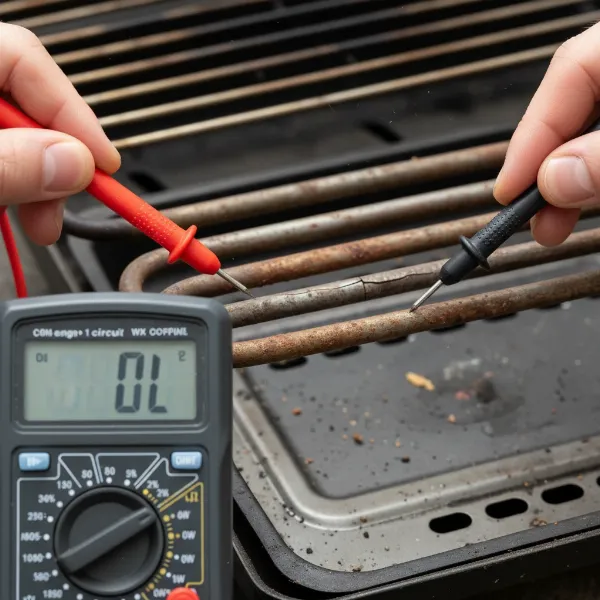 Person testing a faulty electric grill heating element with a digital multimeter for resistance
Temperature Control and Thermostat Issues
The temperature control mechanism and the thermostat work in tandem to ensure your grill heats consistently and to the desired temperature. If your electric grill is heating inconsistently, overheating, or not heating enough, the thermostat or temperature control could be malfunctioning.
A faulty thermostat might not be accurately reading the grill’s temperature, leading to improper heating cycles. You can test the thermostat for continuity with a multimeter, similar to the heating element. Ensure the grill is unplugged, set the multimeter to the continuity setting, and place the probes on the thermostat’s terminals. If there’s no continuity or if it doesn’t accurately regulate temperature when tested, it likely needs to be replaced.
Wiring Connections and Thermal Fuses
Inside your electric grill, a network of wires connects all the electrical components. Loose, corroded, or damaged wiring connections can interrupt the flow of electricity, preventing the grill from heating. Carefully inspect these connections, tightening any that appear loose and replacing any wires that show signs of damage.
Some electric grills also include a thermal fuse, a safety device designed to blow and cut power if the grill overheats, preventing further damage or fire. If your grill suddenly stops working and other components seem fine, a blown thermal fuse could be the cause. Testing for continuity with a multimeter can confirm if the fuse is intact. If it shows no continuity, it will need to be replaced.
Control Unit Malfunctions
In more advanced electric grills, a control unit manages various functions, including temperature settings and timers. While less common, a faulty control unit can sometimes be the reason your grill isn’t heating. This issue can be more complex to diagnose and usually requires specific knowledge of the grill’s electronics or professional assistance.
Troubleshooting Steps: A Diagnostic Guide
When your electric grill refuses to cooperate, a systematic approach to troubleshooting can pinpoint the problem. Always prioritize safety, and if you’re ever unsure, it’s best to consult an expert.
- Safety First: Before touching any internal components, always ensure your electric grill is unplugged from the power source. Wear appropriate protective gloves if you need to dismantle parts.
- External Power Check:
- Plug another appliance into the outlet to confirm it’s functional.
- Check and reset any tripped circuit breakers or GFCI outlets.
- Inspect the power cord thoroughly for any damage.
- Visual Inspection:
- Remove any accessible panels (always refer to your grill’s manual first).
- Visually inspect the heating element for obvious signs of damage (cracks, breaks, severe discoloration).
- Look for any loose, burnt, or corroded wiring connections.
- Multimeter Testing (for experienced users):
- Heating Element: Test for continuity. If no continuity, replace.
- Thermostat/Temperature Control: Test for continuity. If faulty, replace.
- Thermal Fuse (if present): Test for continuity. If blown, replace.
- Clean Components:
- Dirt, grease, and food residue can build up on electrical components, hindering performance. Clean the heating element, temperature control, and thermostat thoroughly.
- Reconnect and Test:
- After checking and addressing any issues, reassemble the grill.
- Plug it in and test if it heats up.
“A common mistake people make is overlooking the simplest solutions. Always start with the power source and cord before assuming a major component failure. You’d be surprised how often a quick reset or a new cord solves the problem.” – John Davis, Master Appliance Technician at GrillUSA Services
When to Call a Professional (or Replace Your Grill)
While many electric grill issues are fixable with a little DIY effort, there are times when professional help is essential, or replacement is the most practical option.
If you’ve gone through all the troubleshooting steps and still can’t identify the problem, or if you’re uncomfortable working with electrical components, it’s time to call a qualified electrician or appliance repair technician. Attempting repairs beyond your skill level can be dangerous and may void your warranty.
Consider replacing your grill if:
- The cost of replacement parts and professional labor approaches the cost of a new grill.
- Your grill is very old, and parts are difficult to find.
- There’s extensive damage to multiple major components.
- Safety concerns persist even after attempted repairs.
Preventive Maintenance for a Healthy Grill
Regular maintenance is key to prolonging the life of your electric grill and preventing heating issues.
- Regular Cleaning: After each use, allow the grill to cool, then clean the grill grates and heating element. Grease and food residue can build up, affecting performance and potentially damaging components.
- Proper Storage: Store your electric grill in a dry, covered area when not in use, especially if it’s an outdoor model. This protects it from moisture, dust, and extreme temperatures that can damage electrical components and wiring.
- Inspect Regularly: Periodically check the power cord and internal wiring for any signs of wear or damage. Early detection can prevent more significant problems.
Conclusion
A cold electric grill can be a real damper on meal plans, but with a systematic approach to troubleshooting, you can often diagnose and fix the problem yourself. Remember to always prioritize safety by unplugging the grill before inspection or repair. Start with the power source, then move on to checking the heating element, thermostat, wiring, and thermal fuse. Regular cleaning and proper storage are simple yet effective ways to keep your electric grill performing reliably for years to come. Don’t let a minor glitch sideline your grilling adventures!
What’s the most unusual reason your electric grill has ever stopped heating up?
Frequently Asked Questions
My electric grill turns on but doesn’t get hot. What should I check first?
If your electric grill turns on but doesn’t heat up, first verify that the temperature control is set correctly. Then, focus your troubleshooting on the heating element itself, as it’s the most common point of failure. You can visually inspect it for damage or test its continuity with a multimeter to confirm if it needs to be replaced.
Is it safe to repair my electric grill myself?
It can be safe to perform basic troubleshooting and minor repairs on your electric grill if you’re comfortable with electrical components and take proper safety precautions, such as unplugging the unit. However, for complex electrical issues, or if you are unsure, it’s always best to consult a qualified electrician or appliance repair technician to avoid potential hazards.
How often should I clean my electric grill to prevent heating problems?
Regular cleaning is crucial. It’s recommended to clean your electric grill grates and any accessible components, like the heating element, after every use once the grill has cooled. This prevents the buildup of grease and food residue, which can impede performance and potentially lead to electrical issues or block heat transfer over time.