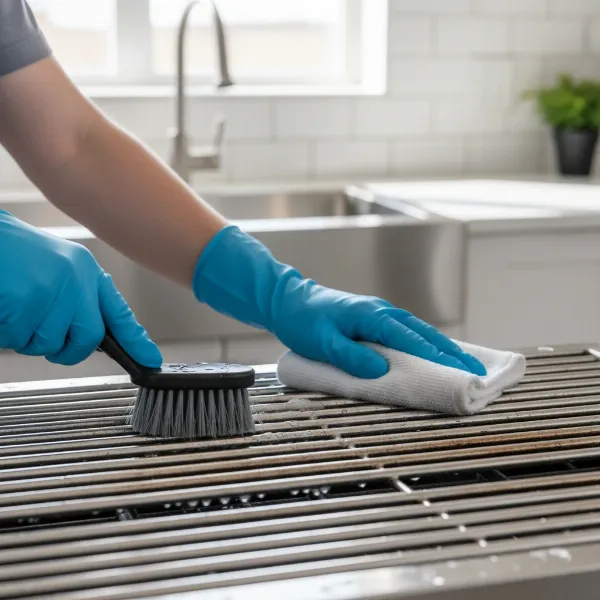
There’s nothing more frustrating than an electric grill that abruptly shuts off mid-cook. Whether you’re searing steaks for a family dinner or grilling vegetables for a healthy meal, an unexpected shutdown can disrupt your cooking flow and leave you wondering what went wrong. As an experienced technician with a decade dedicated to electric grills, I understand these perplexing issues intimately. This article will delve into the primary reasons your electric grill might be powering down prematurely and provide actionable solutions to get you back to grilling effortlessly.
Overview of Electric Grills
An electric grill is a convenient cooking appliance that uses electricity to generate heat, making it a popular alternative to traditional charcoal or gas grills. Its main purpose is to cook food by direct heat, providing a healthier and often faster way to prepare meals indoors or outdoors. The history of electric grills dates back to early electric cooking appliances, evolving significantly with advancements in heating technology, non-stick surfaces, and integrated safety features.
Today, the market offers various types of electric grills to suit different needs. Indoor electric grills, like contact grills or open-plate models, are perfect for apartments or small kitchens, allowing year-round grilling without smoke. Outdoor electric grills offer a similar experience to gas grills but run on electricity, ideal for patios or balconies where open flames are restricted. Smokeless electric grills are designed with innovative features to minimize smoke output, making them highly suitable for indoor use or enclosed spaces.
Advantages and Disadvantages of Electric Grills
Electric grills offer a blend of convenience and performance, but like any appliance, they come with their own set of pros and cons. Understanding these can help you appreciate their utility and manage expectations when troubleshooting issues.
Advantages:
- Convenience and Ease of Use: Electric grills heat up quickly and are incredibly user-friendly. Just plug them in, set the temperature, and start cooking. They are also generally easier to clean than their charcoal or gas counterparts.
- Precise Temperature Control: Most electric grills feature adjustable thermostats, allowing for consistent and precise temperature management, which helps cook food evenly and reduces the risk of burning.
- Enhanced Safety: Without open flames or charcoal embers, electric grills eliminate the risks associated with gas leaks or flare-ups, making them a safer option, especially in homes with children or pets.
- Ideal for Small Spaces and Low Smoke: Their compact size and reduced smoke output make electric grills perfect for small kitchens, balconies, or indoor use, where traditional grilling methods might be impractical or prohibited.
|
Our Picks for the Best electric grill in 2026
As an Amazon Associate I earn from qualifying purchases.
|
||
| Num | Product | Action |
|---|---|---|
| 1 | Chefman XL Electric Griddle with Removable Temperature Control, Immersible Flat Top Grill, Burger, Eggs, Pancake Griddle, Nonstick Extra Large Cooking Surface, Slide Out Drip Tray, 10 x 20 Inch |

|
| 2 | Hamilton Beach Electric Indoor Searing Grill with Viewing Window & Adjustable Temperature Control to 450F, 118 sq. in. Surface Serves 6, PFAS-Free Removable Nonstick Grate, Stainless Steel |
|
| 3 | Electric Grill, CUSIMAX Electric Indoor/Outdoor Grill, 1600W Portable BBQ with Lid for Indoor & Outdoor Use, Adjustable Heat, Removable Stand Grill for Cookouts, BBQ Gatherings, Small Spaces |
|
| 4 | Ninja DG551 Foodi Smart XL 6-in-1 Indoor Grill with Air Fry, Roast, Bake, Broil, & Dehydrate, Foodi Smart Thermometer, 2nd Generation, Black/Silver |
|
| 5 | Electric Grill, Techwood Indoor/Outdoor Electric BBQ Grill, 1600W Portable Removable Stand Grill with Adjustable Heat & Drip Tray, Double Layer Design for Party, Patio & Backyard (Black) |
|
| 6 | Electric Grill, Techwood Indoor/Outdoor Electric BBQ Grill, 1600W Portable Removable Stand Grill with Adjustable Heat & Drip Tray, Double Layer Design for Party, Patio & Backyard (Blue) |
|
| 7 | Chefman Smokeless Indoor Electric Grill, Extra Large Grilling Surface, Nonstick Table Top Grill for Indoor Grilling and BBQ with Adjustable Temperature Control, Drip Tray, Dishwasher-Safe Parts |
|
| 8 | Ninja Griddle and Indoor Grill, 14’’, Electric Grill, For Steak, Burgers, Salmon, Veggies, and More, Pancake Griddle, Nonstick, Dishwasher Safe, 500F, Even Cooking, Silver, GR101 |
|
| 9 | Chefman Electric Smokeless Indoor Grill w/ Non-Stick Cooking Surface & Adjustable Temperature Knob from Warm to Sear for Customized BBQing, Dishwasher Safe Removable Water Tray, Black |
|
| 10 | Artestia 1800W Electric Outdoor Grills with Lid Indoor Smokeless Grill for Balcony with Temperature Control Portable Removable Stand Grill for Cooking, BBQ Party, Family |
|
Disadvantages:
- Flavor Profile: Some grilling enthusiasts argue that the distinct smoky flavor imparted by charcoal or gas grills is hard to replicate with an electric model. While electric grills cook food thoroughly, they don’t produce the same char or deep smoky notes.
- Reliance on Power Source: An electric grill is entirely dependent on an accessible power outlet. This can limit portability for outdoor activities where electricity isn’t readily available.
- Power Limitations: Certain electric grills, especially lower-wattage models, might struggle to maintain high temperatures when grilling thick cuts of meat, potentially extending cooking times or affecting the sear.
The Mystery Solved: Why Your Electric Grill Shuts Off
An electric grill unexpectedly shutting off can be incredibly frustrating, but it’s often a sign of a built-in safety mechanism or a common electrical issue. Understanding these causes is the first step toward a solution.
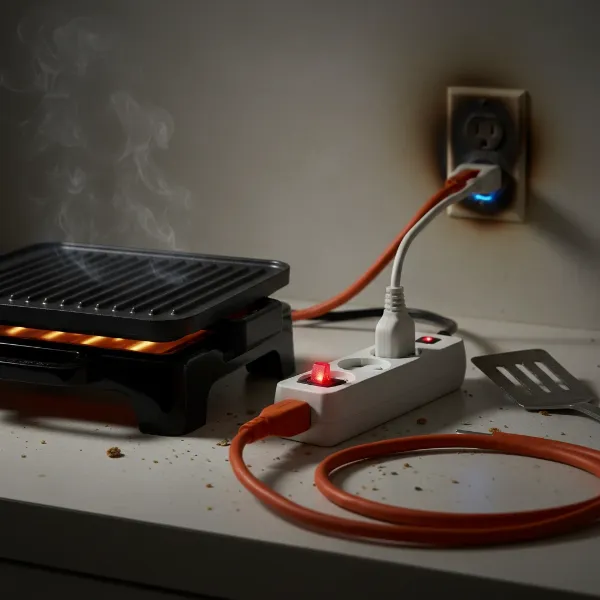 Electric grill with a tripped circuit breaker indicating an electrical overload issue
Tripped Circuit Breaker or GFCI Outlet
One of the most frequent culprits behind an electric grill suddenly losing power is a tripped circuit breaker or a Ground Fault Circuit Interrupter (GFCI) outlet. Electric grills draw a significant amount of power, and if the circuit they are plugged into is overloaded with other high-wattage appliances, it can exceed the circuit’s capacity. The breaker will trip to prevent overheating and potential fire hazards. Similarly, GFCI outlets, commonly found in kitchens and outdoor areas, are designed to protect against electrical shock and will trip if they detect an imbalance in current flow.
Overheating Safety Features
Modern electric grills are equipped with thermal cut-off switches that automatically shut down the appliance if it reaches an unsafe temperature. This is a critical safety feature to prevent damage to the grill and reduce fire risks. Overheating can occur due to several reasons, including:
- Insufficient Ventilation: If the grill’s vents are blocked or it’s placed in an enclosed space without proper airflow, heat can build up excessively, triggering the safety shut-off.
- Prolonged High-Temperature Use: While designed for high heat, continuous operation at maximum settings, especially in a warm environment, can sometimes push the grill beyond its thermal limits.
Faulty Power Cord or Plug
The power cord is the lifeline of your electric grill. Any damage to it can interrupt the power supply, causing intermittent shutdowns or a complete failure to turn on. Look for visible signs of wear, such as fraying, cuts, exposed wires, or burn marks on the cord or plug. A loose connection at the wall outlet or within the grill’s internal wiring can also cause power interruptions.
Defective Heating Element
The heating element is the core component responsible for generating heat. Over time, or due to manufacturing defects, it can become faulty. A damaged heating element might draw too much current, leading to a circuit trip, or it might fail to heat efficiently, causing the grill to struggle and potentially shut off if it can’t maintain the desired temperature. In some cases, a partial fault might lead to inconsistent heating before a complete shutdown.
Malfunctioning Thermostat or Temperature Control
The thermostat regulates the grill’s temperature, cycling the heating element on and off to maintain a consistent heat level. If the thermostat is faulty, it might incorrectly sense overheating and prematurely shut down the grill, even if the actual temperature is within a safe range. Conversely, a malfunctioning thermostat might fail to regulate temperature, leading to actual overheating and the activation of safety cut-offs.
Accumulation of Grease and Residue
Dirt, grease, and food particles can accumulate on or around the electrical components and heating element of your grill. This build-up can act as an insulator, trapping heat and potentially causing the grill to overheat. More critically, heavy grease accumulation near electrical contacts can lead to short circuits or impede the proper function of temperature sensors, resulting in unexpected shutdowns.
Troubleshooting Your Electric Grill: A Step-by-Step Guide
When your electric grill shuts off, don’t panic. Many issues can be resolved with simple diagnostic steps. Always ensure the grill is unplugged before inspecting any internal components.
Step 1: Check the Power Source
- Circuit Breaker/GFCI: First, check your home’s electrical panel for a tripped circuit breaker. If you find one, reset it. If your grill is plugged into a GFCI outlet (often identified by “Test” and “Reset” buttons), press the “Reset” button.
- Dedicated Circuit: If the breaker or GFCI trips frequently, try plugging your grill into a different outlet on a dedicated circuit, meaning one that doesn’t share power with other high-wattage appliances.
- Test Outlet: Plug another appliance (like a lamp or a hair dryer) into the same outlet to verify that the outlet itself is working correctly.
Step 2: Inspect the Power Cord and Plug
- Visual Check: Carefully examine the entire length of the power cord for any visible damage: cuts, fraying, kinks, or signs of burning. Also, check the plug pins for bending or discoloration.
- Tight Connection: Ensure the power cord is securely plugged into both the wall outlet and, if detachable, the grill’s power inlet. A loose connection can cause intermittent power.
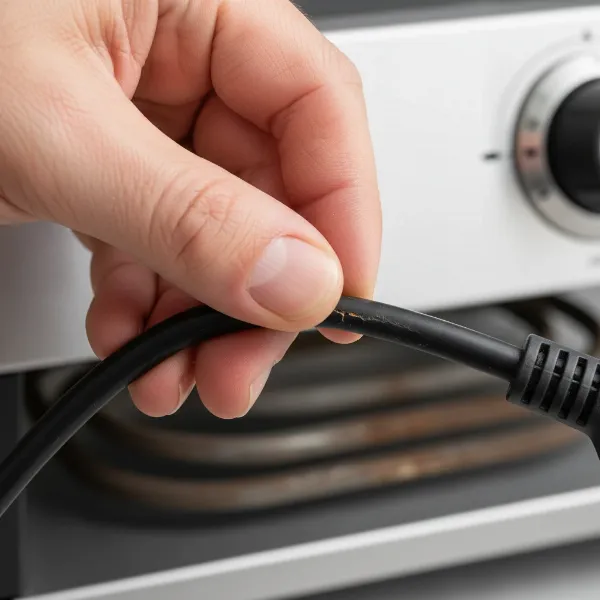 Inspecting a damaged electric grill power cord for visible signs of wear
Step 3: Ensure Proper Ventilation
- Clear Airflow: Make sure your electric grill has ample space around it for air to circulate freely. Avoid placing it too close to walls, cabinets, or other objects that might obstruct its vents.
- Clean Vents: Inspect the grill’s ventilation openings for any blockage from food debris or grease. Clean them gently if necessary.
Step 4: Clean the Grill Thoroughly
- Grill Plates and Drip Tray: Regularly clean grill plates and the drip tray after each use to prevent grease build-up. Follow the manufacturer’s instructions for cleaning.
- Internal Components (Caution!): If comfortable and knowledgeable about appliance repair, and only after unplugging the grill, you might carefully inspect areas around the heating element for excessive grease or debris. For deeper internal cleaning, especially near electrical components, consulting a professional is recommended.
Step 5: Consider Internal Component Failure
If the external checks and basic cleaning don’t resolve the issue, the problem might lie within one of the grill’s internal components.
- Heating Element: A faulty heating element might show visible signs of damage, like breaks or severe discoloration. Testing it often requires a multimeter.
- Thermostat/Temperature Control: These components can be tricky to diagnose without specialized tools. Malfunctions here can lead to improper temperature regulation or false overheating signals.
- Wiring: Loose or corroded internal wiring connections can also cause power interruptions.
For issues related to internal components, unless you have experience with electrical repairs and appropriate tools, it’s generally best to seek professional assistance. Tampering with internal electrical parts without expertise can be dangerous.
When to Call a Professional
While many minor issues can be resolved with basic troubleshooting, there are clear indicators when it’s time to seek expert help. If you’ve tried the above steps and your electric grill continues to shut off, or if you observe any of the following, it’s crucial to contact a qualified appliance technician or electrician:
- Repeated Circuit Trips: If the circuit breaker or GFCI repeatedly trips even after you’ve tried different outlets and ensured no overload, it strongly suggests an internal fault within the grill.
- Visible Electrical Damage: Sparks, smoke, burning smells, or severely damaged wiring within the grill are immediate signs of a serious electrical problem requiring professional attention. Do not use the grill if you see these signs.
- Inconsistent Heating/No Heat: If the grill powers on but fails to heat up, or heats erratically, it points to a faulty heating element or thermostat that needs expert diagnosis and replacement.
- Uncertainty or Discomfort: If you’re uncomfortable opening the grill or inspecting internal components, or simply can’t pinpoint the problem, a professional can safely and accurately diagnose the issue.
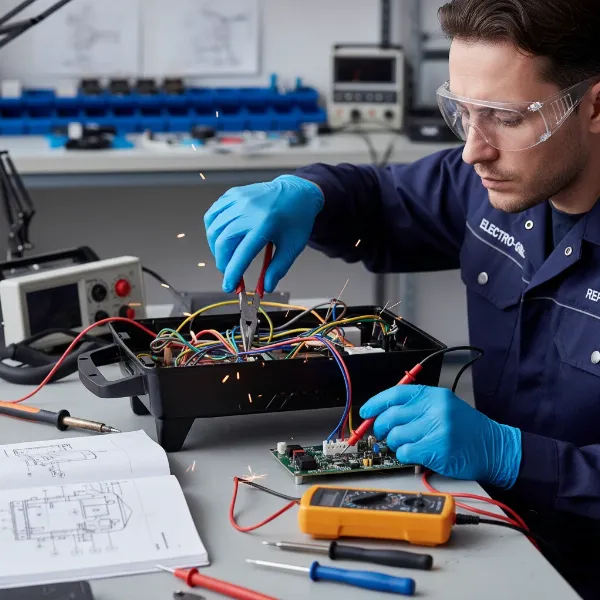 Professional technician repairing an electric grill's internal wiring
Tips for Preventing Future Shutdowns
Prevention is always better than cure. By adopting a few simple habits, you can significantly extend the life of your electric grill and prevent frustrating shutdowns.
- Use a Dedicated Outlet: Whenever possible, plug your electric grill into an outlet that isn’t shared with other high-power appliances. This prevents circuit overloads.
- Regular Cleaning: A clean grill is a happy grill. Regularly clean the grill plates, drip tray, and surrounding areas to prevent grease and food residue from accumulating, especially near heating elements and ventilation openings.
- Proper Placement: Always ensure your grill is placed on a stable, heat-resistant surface with adequate clearance around it for proper airflow. Avoid placing it directly against walls or in cramped corners.
- Inspect Power Cord: Periodically check the power cord and plug for any signs of wear or damage. Replace them immediately if you notice any issues. Never bend or crimp the cord sharply.
- Follow Manufacturer Guidelines: Always adhere to the specific operating and maintenance instructions provided in your electric grill’s user manual. This includes recommended temperature settings and cooking durations.
- Store Properly: When not in use, especially for outdoor models, store your electric grill in a dry, protected area to shield it from moisture and extreme temperatures, which can impact internal components.
Conclusion
An electric grill unexpectedly shutting off can indeed be a vexing problem, but it’s often a solvable one. From simple power supply issues like a tripped circuit breaker to more complex internal component failures like a faulty heating element or thermostat, understanding the root cause is key. By methodically troubleshooting your grill—checking the power source, inspecting the cord, ensuring proper ventilation, and maintaining cleanliness—you can resolve many common issues yourself. However, always prioritize safety; if the problem persists or involves visible electrical damage, do not hesitate to consult a professional. With proper care and attention, your electric grill will continue to be a reliable partner in delivering delicious meals, ensuring many more enjoyable grilling sessions to come.
What’s the most unusual issue you’ve encountered with an electric grill, and how did you fix it?
Frequently Asked Questions
Can I use an extension cord with my electric grill?
It is generally not recommended to use an extension cord with an electric grill due to their high power draw. If an extension cord must be used, ensure it is a heavy-duty, outdoor-rated cord with a gauge appropriate for the grill’s wattage to prevent voltage drop and overheating. Always check your grill’s manual for specific recommendations.
How often should I clean my electric grill?
For optimal performance and to prevent issues like unexpected shutdowns due to grease buildup, you should clean your electric grill’s plates and drip tray after every use. A deeper clean of external surfaces and accessible components should be done periodically, depending on how often you use it.
What is a GFCI outlet and why does it trip with my grill?
A GFCI (Ground Fault Circuit Interrupter) outlet is a safety device designed to protect you from electric shock. It monitors the electric current and trips (shuts off power) if it detects an imbalance, such as when current is escaping through an unintended path (like through a person). Your grill might trip a GFCI if it has a minor electrical fault or if the circuit is overloaded.
Is it safe to repair my electric grill myself?
Minor issues like resetting a circuit breaker or replacing a damaged power cord (if it’s a detachable, easily replaceable part) can often be done safely by an informed user. However, for any internal electrical repairs, such as replacing a heating element or thermostat, it is strongly advised to consult a qualified appliance technician to prevent injury or further damage.