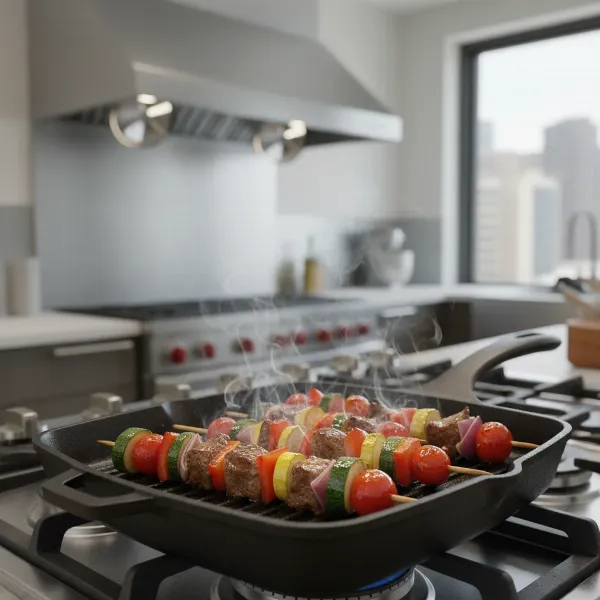
Embarking on the exciting journey of grilling can feel overwhelming with the many options available. As a beginner, choosing the right grill is the first critical step to unlocking delicious outdoor (and indoor) culinary adventures. Two popular contenders often spark a debate: the traditional charcoal grill and the modern electric grill. Each offers a unique experience, with distinct advantages and disadvantages that cater to different preferences and lifestyles. This comprehensive guide will break down everything you need to know about charcoal and electric grills, helping you make an informed decision that perfectly suits your needs and budget.
Understanding Electric and Charcoal Grills
Grilling is more than just cooking food; it’s an experience, a flavor, and for many, a lifestyle. The core difference between charcoal and electric grills lies in their heat source and the resulting cooking process and flavor profile.
A charcoal grill uses burning charcoal briquettes or lump charcoal as its primary fuel source. This method relies on radiant heat and the smoke produced by the burning charcoal to cook food and impart that distinctive, smoky barbecue flavor. Charcoal grilling has a long history, cherished for its traditional appeal and the hands-on approach it demands. Common types range from simple kettle grills to more elaborate barrel smokers, primarily used outdoors due to smoke and ash production.
Electric grills, on the other hand, utilize electricity to heat a cooking element, typically a coil or plate. These grills are designed for convenience, offering quick heating and precise temperature control without the need for open flames or fuel. They come in various forms, including compact indoor models, larger outdoor freestanding units, and versatile countertop options, making them suitable for a broader range of environments, including apartments and balconies where open flames might be prohibited.
Advantages and Disadvantages of Charcoal Grills
Charcoal grilling is often revered by purists for its authentic taste, but it comes with its own set of challenges. Understanding both the upsides and downsides is crucial for any beginner.
Advantages of Charcoal Grills
- Unrivaled Smoky Flavor: The most significant advantage of charcoal grilling is the deep, rich, smoky flavor it imparts to food. The combustion of charcoal and wood chips creates compounds that penetrate the food, resulting in a taste that many find superior to other grilling methods.
- High Searing Temperatures: Charcoal grills can reach extremely high temperatures, often exceeding 700°F (370°C), making them ideal for searing meats to lock in juices and create that desirable crispy crust.
- Affordability: Generally, charcoal grills tend to be more affordable in terms of initial purchase cost compared to many electric models, making them an accessible option for beginners on a budget.
- Engaging Grilling Experience: For many, the ritual of lighting the coals, managing the fire, and controlling the smoke is a rewarding part of the barbecue experience. It offers a hands-on approach that connects cooks with the primal art of grilling.
- Portability for Certain Models: Smaller, kettle-style charcoal grills can be quite portable, making them suitable for tailgating, camping, or picnics in areas where open flames are permitted.
|
Our Picks for the Best electric grill in 2026
As an Amazon Associate I earn from qualifying purchases.
|
||
| Num | Product | Action |
|---|---|---|
| 1 | Chefman Electric Smokeless Indoor Grill w/ Non-Stick Cooking Surface & Adjustable Temperature Knob from Warm to Sear for Customized BBQing, Dishwasher Safe Removable Water Tray, Black |

|
| 2 | Electric Grill, Techwood Indoor/Outdoor Electric BBQ Grill, 1600W Portable Removable Stand Grill with Adjustable Heat & Drip Tray, Double Layer Design for Party, Patio & Backyard (Blue) |
|
| 3 | Electric Grill, CUSIMAX Electric Indoor/Outdoor Grill, 1600W Portable BBQ with Lid for Indoor & Outdoor Use, Adjustable Heat, Removable Stand Grill for Cookouts, BBQ Gatherings, Small Spaces |
|
| 4 | Hamilton Beach Electric Indoor Searing Grill with Viewing Window & Adjustable Temperature Control to 450F, 118 sq. in. Surface Serves 6, PFAS-Free Removable Nonstick Grate, Stainless Steel |
|
| 5 | Ninja Griddle and Indoor Grill, 14’’, Electric Grill, For Steak, Burgers, Salmon, Veggies, and More, Pancake Griddle, Nonstick, Dishwasher Safe, 500F, Even Cooking, Silver, GR101 |
|
| 6 | Ninja DG551 Foodi Smart XL 6-in-1 Indoor Grill with Air Fry, Roast, Bake, Broil, & Dehydrate, Foodi Smart Thermometer, 2nd Generation, Black/Silver |
|
| 7 | Chefman XL Electric Griddle with Removable Temperature Control, Immersible Flat Top Grill, Burger, Eggs, Pancake Griddle, Nonstick Extra Large Cooking Surface, Slide Out Drip Tray, 10 x 20 Inch |
|
| 8 | Chefman Smokeless Indoor Electric Grill, Extra Large Grilling Surface, Nonstick Table Top Grill for Indoor Grilling and BBQ with Adjustable Temperature Control, Drip Tray, Dishwasher-Safe Parts |
|
| 9 | Electric Grill, Techwood Indoor/Outdoor Electric BBQ Grill, 1600W Portable Removable Stand Grill with Adjustable Heat & Drip Tray, Double Layer Design for Party, Patio & Backyard (Black) |
|
| 10 | Artestia 1800W Electric Outdoor Grills with Lid Indoor Smokeless Grill for Balcony with Temperature Control Portable Removable Stand Grill for Cooking, BBQ Party, Family |
|
Disadvantages of Charcoal Grills
- Time-Consuming Setup and Cleanup: Lighting charcoal and waiting for it to reach the optimal cooking temperature can take 20-30 minutes or more. Cleanup involves dealing with ash and soot, which can be messy.
- Less Precise Temperature Control: While experienced grillers can skillfully manage heat by adjusting vents and coal placement, beginners might find it challenging to maintain a consistent temperature, leading to uneven cooking.
- Safety Concerns: Charcoal grills involve an open flame, hot coals, and potential sparks, posing a higher fire risk than electric grills. Proper vigilance is required.
- Smoke and Environmental Impact: Charcoal grilling produces a significant amount of smoke, which can be an issue in residential areas or apartments. It also has a greater environmental footprint due to emissions.
- Outdoor Use Only: Due to smoke and carbon monoxide production, charcoal grills are strictly for outdoor use, limiting your grilling options to good weather days and open spaces.
- Requires Fuel Storage: You’ll need to purchase and store charcoal, which takes up space and is an ongoing expense.
Advantages and Disadvantages of Electric Grills
Electric grills offer a modern, convenient approach to grilling, often appealing to those with limited space or a desire for a simpler cooking process.
Advantages of Electric Grills
- Unbeatable Convenience and Ease of Use: Electric grills are incredibly simple to operate. Just plug them in, turn them on, and they’re ready to go, often within minutes. This “flick-switch simple” operation makes them ideal for beginners.
- Fast Heat-Up Time: Unlike charcoal grills, electric models heat up quickly, allowing for spontaneous grilling sessions without a long waiting period.
- Precise Temperature Control: Most electric grills feature digital or dial controls that allow for exact temperature settings, ensuring consistent cooking results and making it easier to cook delicate foods like fish and vegetables.
- Safety: Without an open flame, combustible fuels, or hot coals, electric grills are generally much safer, reducing the risk of flare-ups or accidental burns.
- Apartment and Balcony Friendly: Electric grills produce minimal smoke and no open flames, making them suitable for indoor use or grilling on balconies and patios where traditional grills might be prohibited.
- Easier Cleanup: With non-stick surfaces and fewer components, electric grills are typically much easier to clean, often requiring just a quick wipe-down.
- Lower Long-Term Running Costs: While the initial cost can vary, using electricity can be more cost-effective over time compared to continuously buying charcoal or gas tanks.
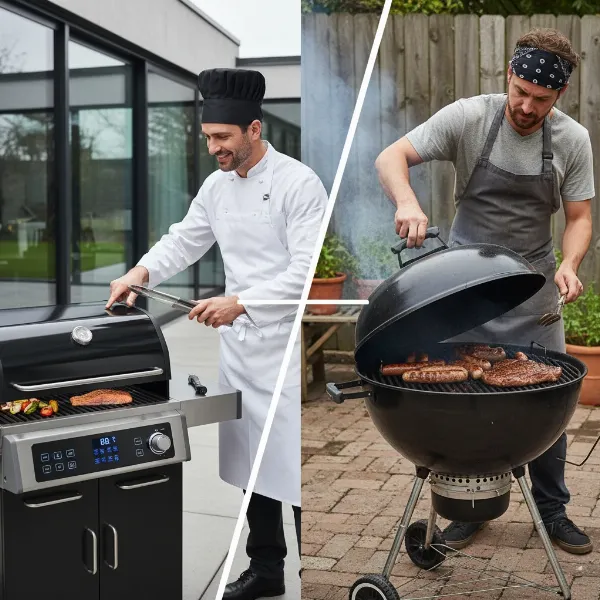 Visual comparison of a modern electric grill and a classic charcoal grill for beginners.
Disadvantages of Electric Grills
- Less Authentic Smoky Flavor: This is often the biggest drawback for grilling enthusiasts. Electric grills don’t produce the same rich, smoky flavor profile as charcoal. However, some modern models can mimic woodfire flavors, and accessories like smoker boxes with wood chips can help.
- Limited Searing Capability: While some high-performance electric grills can reach impressive temperatures, many models may struggle to achieve the intense heat necessary for a truly professional sear, especially compared to charcoal grills.
- Dependent on Power Source: Electric grills require a nearby electrical outlet, which can limit their portability and use in remote outdoor locations or during power outages.
- Potential for Costlier Repairs: With more electronic components, electric grills may incur higher repair costs if parts like heating elements or control units fail.
- Cooking Space: Some compact electric grills might have smaller cooking surfaces, which could be a limitation when cooking for larger groups.
Factors to Consider When Buying a Grill
Choosing between a charcoal and an electric grill largely depends on your specific needs, lifestyle, and priorities as a beginner. Here’s a breakdown of what to consider:
Type of Griller You Are
Are you a purist who craves that authentic smoky flavor and enjoys the hands-on process of fire management? Or do you prioritize convenience, quick meals, and minimal fuss? Your personal grilling philosophy will heavily influence your choice.
Space and Location
Consider where you’ll be grilling. If you live in an apartment with a balcony or have limited outdoor space, an electric grill is often the only permissible and practical option due to smoke and fire restrictions. For those with a backyard or ample outdoor area, a charcoal grill offers more flexibility.
Flavor Preference
If the quintessential smoky, charred taste is non-negotiable for you, a charcoal grill is likely the better choice. If a clean, consistent flavor is more important, or if you plan to incorporate other seasoning methods, an electric grill can still deliver delicious results.
Ease of Use and Maintenance
For beginners seeking a hassle-free experience from start to finish, the plug-and-play nature and easy cleanup of an electric grill are highly appealing. If you don’t mind the extra effort in setup and cleanup for a more traditional experience, charcoal could be for you.
Budget
While initial costs vary, consider both the purchase price and ongoing fuel expenses. Charcoal grills often have a lower entry price, but you’ll continuously buy charcoal. Electric grills have no recurring fuel cost beyond your electricity bill.
Safety Concerns
If safety is a top priority, especially in households with children or pets, the flameless operation of an electric grill provides greater peace of mind.
“For newcomers to grilling, the decision between charcoal and electric often boils down to a trade-off: authentic smoky flavor versus unparalleled convenience. There’s no single ‘best’ choice, only the best grill for your lifestyle.” – John Smith, ElectricGrillUSA.com Admin & Grill Technician
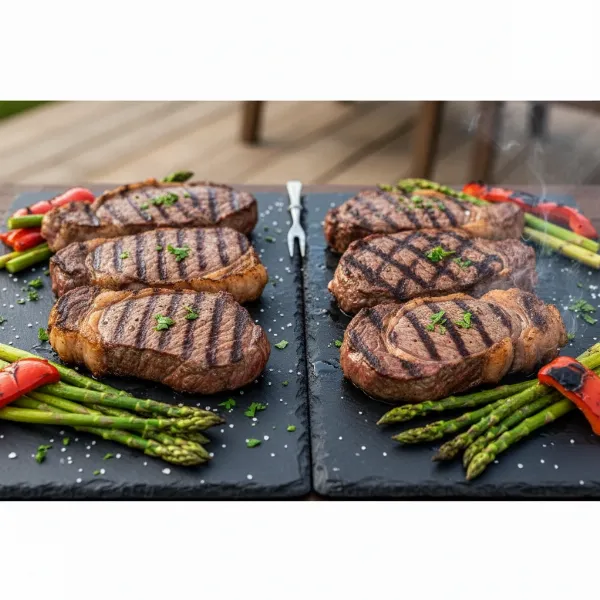 Grilled food on both an electric and charcoal grill, showing appetizing results from both methods.
Tips for Using and Maintaining Your Grill
Regardless of your choice, proper usage and maintenance will ensure longevity and optimal performance for your grill.
Charcoal Grill Tips
- Safety First: Always grill in a well-ventilated outdoor area, away from flammable structures. Keep a fire extinguisher or water source nearby.
- Lighter Fluid Alternatives: Consider using a charcoal chimney starter to light coals more efficiently and without the chemical taste of lighter fluid.
- Temperature Control: Learn to use the air vents to control heat. More oxygen means hotter coals. For indirect cooking, push coals to one side.
- Cleaning: After grilling, let the grill cool completely. Scrape the grates with a wire brush. Dispose of ash properly once it’s completely cold. Clean the cooking grates regularly to prevent food from sticking and to ensure even cooking.
Electric Grill Tips
- Preheating is Key: Always preheat your electric grill thoroughly to the desired temperature before placing food on it to ensure even cooking and good searing.
- Use a Meat Thermometer: While electric grills offer precise temperature control, an internal meat thermometer ensures your food is cooked perfectly and safely.
- Flavor Boosts: Experiment with marinades, rubs, and even smoker boxes with wood chips (if your model allows) to enhance the flavor profile of your food.
- Cleaning: Most electric grills feature non-stick surfaces, making cleanup easy. Unplug the grill and allow it to cool, then wipe down the cooking plates with a damp cloth or sponge. Many removable parts are dishwasher safe.
Conclusion
Choosing between a charcoal and electric grill for a beginner comes down to prioritizing what matters most to you in your grilling experience. If you crave the deep, smoky flavor and embrace the hands-on tradition of barbecue, a charcoal grill offers an authentic and rewarding journey, albeit with more effort in setup and cleanup. Conversely, if convenience, ease of use, precise temperature control, and suitability for urban living are your top concerns, an electric grill is an outstanding choice that delivers delicious results with minimal fuss. Both types of grills empower you to create fantastic meals, so consider your space, lifestyle, and flavor desires before making your decision. Which grilling adventure will you embark on first?
Frequently Asked Questions
Can electric grills really produce a smoky flavor?
While electric grills traditionally offer a cleaner taste, modern electric grills are incorporating features to emulate smoky flavors. You can also use smoker boxes with wood chips on some outdoor electric grill models, or liquid smoke and smoky seasonings to enhance the flavor of your food.
Are charcoal grills difficult for beginners to use?
Charcoal grills can have a steeper learning curve for beginners due to the need to light coals, manage temperature with airflow, and clean up ash. However, with a little practice and the right tools like a chimney starter, beginners can quickly master the art of charcoal grilling.
Can I use an electric grill indoors?
Many electric grills are specifically designed for indoor use, particularly countertop models. They produce significantly less smoke than charcoal grills, making them safe and convenient for apartment dwellers or anyone wanting to grill regardless of the weather. Always check the manufacturer’s guidelines for indoor use.
How long does it take to heat up a charcoal grill versus an electric grill?
Charcoal grills typically take 20-30 minutes to heat up and be ready for cooking, as you need to wait for the coals to ash over. Electric grills, on the other hand, usually heat up much faster, often in just 5-10 minutes, offering near-instant cooking gratification.